Electrical Reactors for EMI, Power Quality & Harmonic Control
At DOREXS, we offer a broad range of electrical reactors, including AC line reactors, DC reactors, and three-phase reactors, designed for reliable performance in demanding environments.
Reactor Electrical Devices: Voltage Stabilization and Protection
Improve System Efficiency!
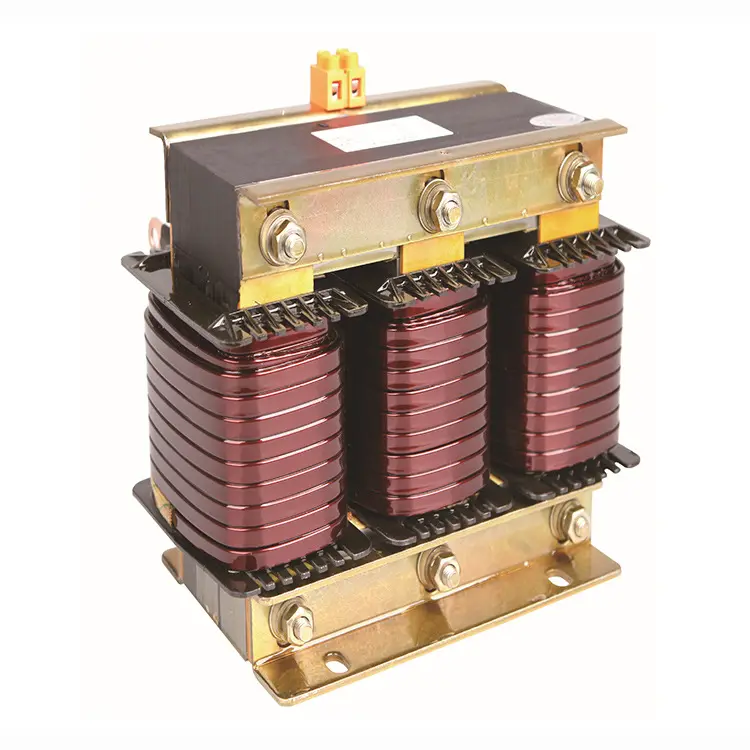
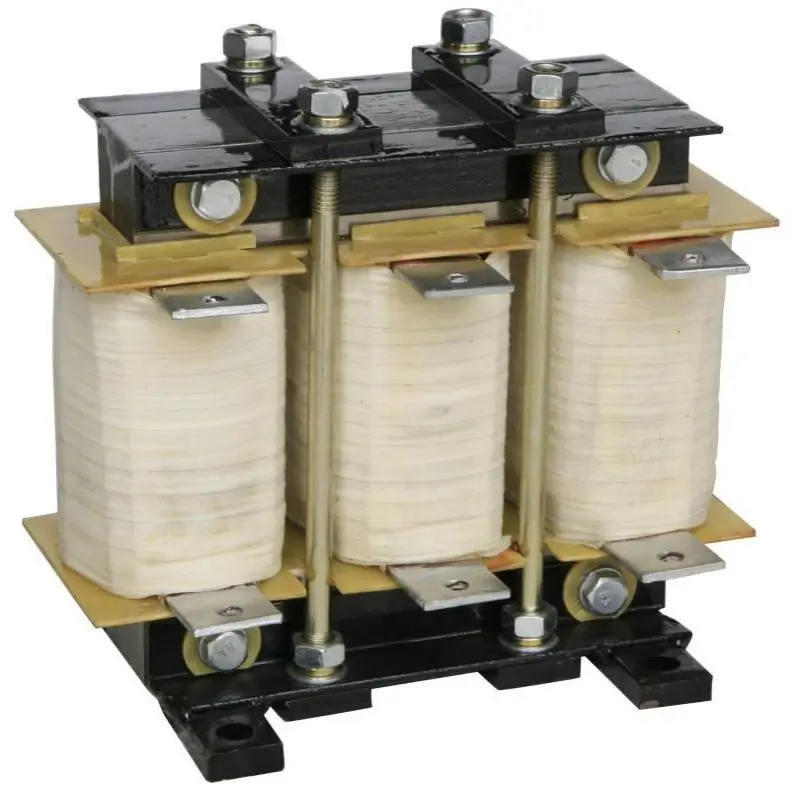
Our reactor products include single-phase reactors, three-phase reactors, EI reactors, iron core reactors, air core reactors, etc., which can meet the needs of different application scenarios. Designed and manufactured with high-quality metal materials and insulating materials to ensure high efficiency, safety and stability, and provide a variety of cooling methods such as natural cooling, forced air cooling and oil immersion cooling, suitable for various environmental conditions. Reactors are made of coils of copper wire wound around a magnetic or air core, forming the basis of these electrical components for current control and harmonic mitigation.
Filter Reactor


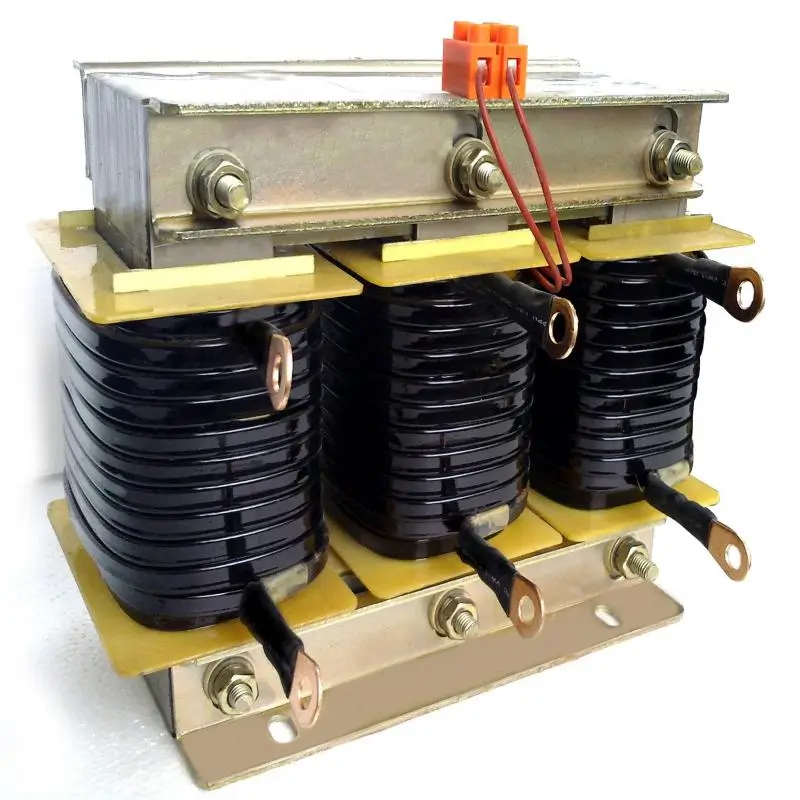
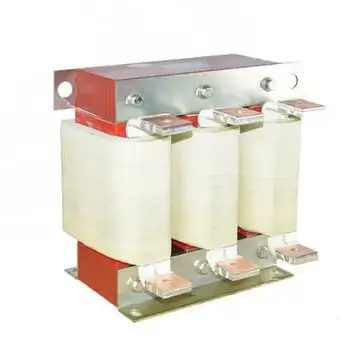
AC Input Reactor

AC Output Reactor


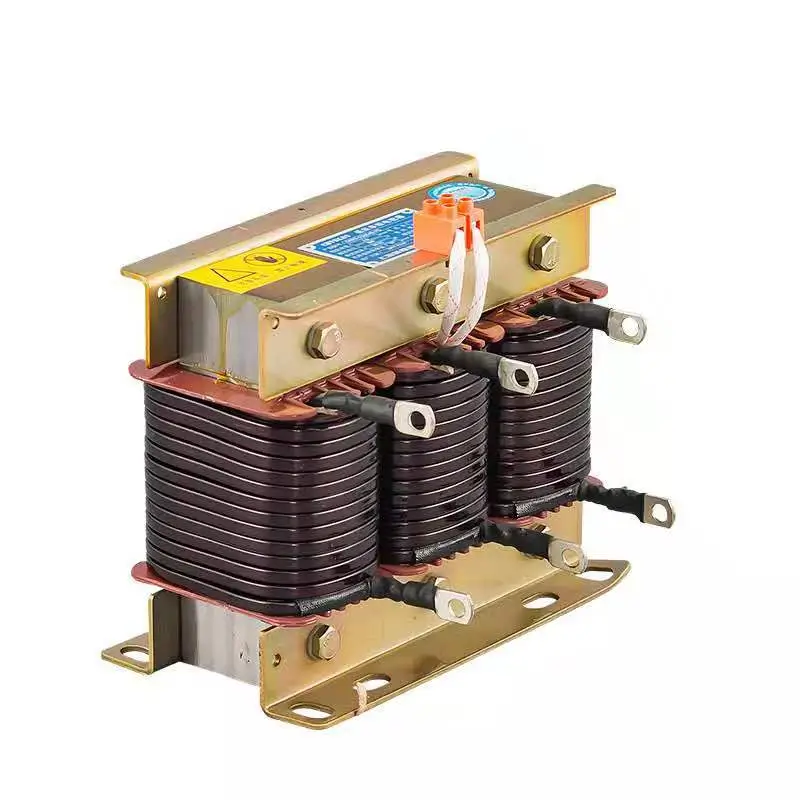
High-Frequency Reactors
Explore our product range now and experience excellent electrical performance and proven reliability.
Current limiting reactors are essential components in electrical systems, designed to mitigate the effects of inrush current, which is the high current draw experienced during the startup of devices like electric motors. By increasing impedance, these reactors help manage electrical flow and prevent voltage sags that can affect other equipment. Current limiting reactors also restrict the rate at which current increases, protecting equipment from sudden surges and ensuring a controlled rate of current rise.
DC Reactor
Series Reactor
1. What is a Reactor?
✅ Current Limiting: Prevents sudden current spikes to protect equipment.
2. Types of Reactors
Reactors can be categorized based on their function and usage:
- Line Reactors: Installed in series with power lines to limit current, filter harmonics, and protect equipment.
- Shunt Reactors: Connected in parallel with transmission lines to compensate for line capacitance and provide voltage control in high-voltage power systems.
- DC Reactors: Used in DC circuits to smooth current and reduce ripple; also known as DC chokes.
- Neutral Grounding Reactors: Connected between the neutral point of a transformer or generator and ground to limit ground fault currents.
A. By Application
✔ Line Reactors (Input Reactors): Generally, there are two types of line reactors used with Variable Frequency Drives (VFDs): AC and DC. They are installed on the input side of VFDs or power supplies to reduce voltage spikes and harmonics.
✔ Load Reactors (Output Reactors): Placed on the output side of drives to protect motors from voltage peaks and high-frequency noise.
✔ DC Reactors (DC Link Chokes): Used in DC circuits to smooth current flow and enhance power factor.
✔ Harmonic Filter Reactors: Work with capacitor banks to eliminate high-frequency harmonics in industrial power systems.
B. By Phase Type
✔ Single-Phase Reactors – Used in low-power applications and residential electrical systems.
✔ Three-Phase Reactors – Common in industrial power systems, protecting large-scale equipment.
C. By Cooling Method
✔ Dry-Type Reactors – Air-cooled reactors, widely used due to their simple design and low maintenance.
✔ Oil-Immersed Reactors – Used in high-voltage applications for better heat dissipation and long service life.
3. Applications of Reactors
Reactors are essential in various industries, ensuring stable and efficient power usage. They play a crucial role in maintaining stability and reliability in electrical power systems and the power grid. Here are some of their key applications:
Power Distribution Systems: Reactors are used in electrical power systems to compensate for line capacitance and voltage increase in transmission systems. They help address issues such as voltage fluctuations, grounding (ground) problems, and system instability. By regulating voltage and current, reactors ensure normal operation of the power grid, maintaining voltage and current stability and improving overall system reliability.
✔ Industrial Automation:
-
Used with VFDs, servo drives, and soft starters to prevent harmonic distortion and extend equipment lifespan. Reactors help minimize the impact of motor drives on other loads within the system, ensuring better performance and reduced distortion.
-
Enhances energy efficiency in manufacturing plants.
✔ Power Distribution Systems:
-
Improves power quality by filtering out voltage fluctuations and reducing system losses.
-
Protects electrical infrastructure from power surges.
✔ Renewable Energy (Solar & Wind):
-
Used in inverters and energy storage systems to manage power flow. Reactors play a crucial role in managing power flow within a power circuit, ensuring efficient operation of renewable energy systems.
-
Enhances grid stability when integrating renewable sources.
✔ Communication & Data Centers:
-
Protects sensitive electronic equipment from voltage irregularities. Reactors are essential in stabilizing electrical systems and protecting sensitive equipment from damage caused by sudden changes in voltage.
-
Reduces electrical noise and improves operational reliability.
✔ Railways & Transportation:
-
Used in electric traction systems to regulate current and prevent electrical disturbances.
4. How to Choose the Right Reactor
Selecting the appropriate reactor depends on multiple factors:
Key Considerations:
✅ Voltage and Current Rating – Ensure compatibility with the electrical system. The reactor's rated current is crucial as it defines the maximum current at which the reactor can operate efficiently. Ensuring the rated current matches the electrical system's current rating minimizes losses and maintains stability.
✅ Inductance Value (L) – The correct inductance ensures effective harmonic mitigation and power conditioning.
✅ Harmonic Filtering Requirements – Choose harmonic filter reactors if excessive harmonics exist.
✅ Cooling Needs – Dry-type for standard applications, oil-immersed for high-power scenarios.
✅ Environmental Conditions – Consider factors like temperature, humidity, and installation space.
✅ Compliance & Certifications – Ensure the reactor meets industry standards such as UL, CE, RoHS, and ISO 9001.
5. Installation & Maintenance of Reactors
Proper installation and maintenance ensure the reactor's efficiency and longevity.
Installation Tips:
✔ Ensure correct wiring and phase connection to maintain the safety and stability of all connected components in the electrical system.
✔ Provide adequate ventilation for heat dissipation.
✔ Secure the reactor to minimize vibrations and mechanical stress.
Maintenance Guidelines:
- Regularly inspect for overheating and insulation damage.
- Check for loose connections or signs of wear.
- Perform electrical testing to verify inductance and impedance levels.
- Keep the surrounding area clean to prevent dust accumulation.
6. FAQs About Reactors
Q1: What is the difference between a reactor and a transformer?
A: A transformer changes voltage levels, while a reactor is used for current limiting, harmonic filtering, and power quality improvement.
Q2: Can a reactor improve power factor?
A: Yes, reactors help improve power factor by reducing reactive power losses in electrical networks.
Q3: How do I know if I need a line reactor or a load reactor?
A: A line reactor is used at the power input side to reduce harmonics and voltage spikes, while a load reactor is used at the output side to protect motors from high dv/dt and electrical noise.
Q4: What happens if I use the wrong reactor size?
A: Using an incorrectly rated reactor may result in insufficient protection, overheating, or reduced efficiency of the system.
Why choose DOREXS?
Learn more about DOREXS
Contact us - Get professional EMI solutions
Tel: +86 18117837140


- 1
Contact DOREXS for Electrical Reactor Solutions
Looking for reliable electrical reactors for power systems or EMI noise suppression?
Contact DOREXS to get expert selection support, custom engineering, and RFQ assistance tailored to your application.