

Model No: DM
Feedthrough Capacitor
50/60HZ
50-1000V
50-1000V
Quantity :
Subscribe to our Newsletter
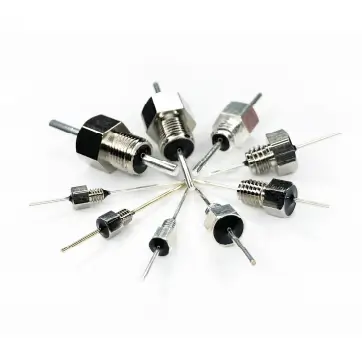
A feedthrough capacitor, also known as a feedthrough filter, is a three-terminal filter; it provides high insertion loss in a wide frequency band from KHz to GHz. The definition of a feedthrough capacitor is a specialized component designed to suppress electromagnetic interference by allowing signals to pass through an enclosure while filtering out unwanted noise. Generally speaking, feedthrough capacitors provide a higher level of electromagnetic interference suppression than other types of capacitors, which is particularly relevant for circuit devices with impedance sources less than 50Ω.
Since it is directly mounted on a metal panel, its ground inductance is smaller and there is almost no influence of lead inductance. In addition, its input and output terminals are isolated by metal plates, eliminating high-frequency coupling. These two characteristics determine that the feedthrough capacitor has a filtering effect close to that of an ideal capacitor.
Technical Parameters
Continuous operating voltage: | 50V, 100V, 200V, 500V, 800V, 1000V max 125/250 VAC, 50/60 Hz 400 VAC, 50/60 Hz | Rated current: | 7 ~ 32 A @ 60°C max |
Temperature characteristics: | NP0 (-55°C ~ +125°C,△C/C: 0±30ppm/℃) SL (-55°C ~ +125°C,△C/C: +350 ~ -1000ppm/℃) Y5P (-25°C ~ +85°C,△C/C: ±10%) X7R (-55°C ~ +125°C,△C/C: ±15%) Y5U (-25°C ~ +85°C,△C/C: +22% ~ -56%) Y5V (-25°C ~ +85°C,△C/C: +22% ~ -82%) | Dielectric strength: | <200 VDC (3U) ≥ 200 VDC (2.5U) ≥ 500 VDC (2U) ≥ 800 VDC (1.5U) ≤ 400 VAC (1000 + 2U) |
Maximum test voltage: | 2500 VDC , 5s | Insulation resistance: | < 0.01μF, R > 10,000 MΩ > 0.025μF, t >100s |
Loss tangent (tanб): | <0.03 ≤ 0.05 max | Capacitance accuracy: | Z (-20% ~ +80%) S (-20% ~ +50%) M (-20% ~ +20%) P (0% ~ +100%) |
Silver coating standard: | SJ/T 11110-2016 | ||
Electrical Schematics
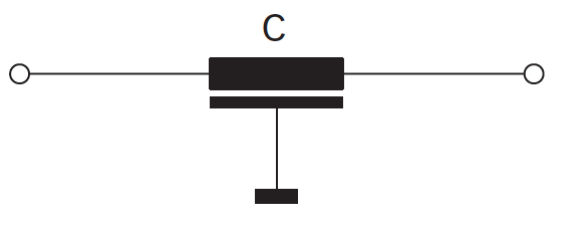
The schematic above illustrates the importance of a reliable electrical connection through the feedthrough capacitor, which is essential for maintaining system integrity and effective EMI filtering.
The filter manages signals at the load side, and matching the load impedance is crucial for optimal filter performance and EMI suppression. Certain filter types, such as LC, Pi, and T filters, are specifically optimized for circuits with a low impedance source to achieve better high-frequency noise attenuation.
The filter manages signals at the load side, and matching the load impedance is crucial for optimal filter performance and EMI suppression. Certain filter types, such as LC, Pi, and T filters, are specifically optimized for circuits with a low impedance source to achieve better high-frequency noise attenuation.
Features and Benefits
- Lower self-inductance
- Higher self-resonant frequency
- High quality and reliability
- Improve system and information security
- Easy bolt-on installation
- Available in different order configurations (first order, second order, etc.) to meet various filtering requirements
- Widely used across many industries for power lines, signal lines, and more
- High-frequency electromagnetic interference (EMI) is effectively eliminated, ensuring cleaner signals
Typical Applications
Feedthrough capacitors have many common applications across various industries, ensuring electromagnetic compatibility and reliable performance. They are commonly used in high-frequency filtering, microwave systems, and radar equipment, as well as in power supply and signal processing.
- DC/AC power lines and data lines
- Telecommunications, transmission, industrial control, instrumentation equipment
- Switches and network equipment
- Medical equipment
- Computer servers
- Automotive electronics
- Microwave filtering and RF signal transmission
- Military and aerospace equipment
- Radar systems
Note: Feedthrough capacitors are commonly used in high-frequency and microwave applications, and certain types are effective in filtering frequencies up to tens of MHz.
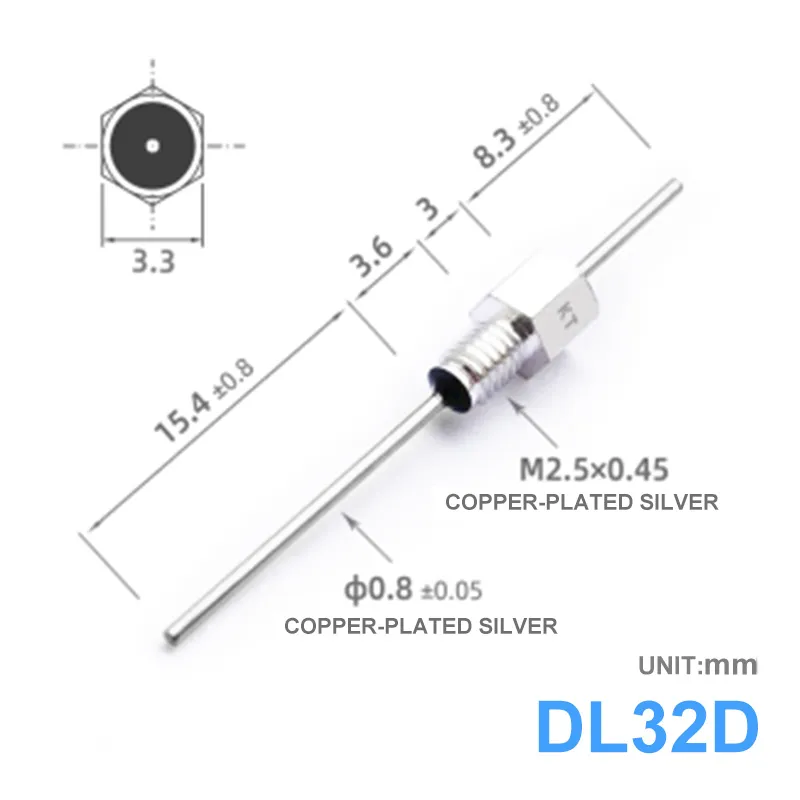
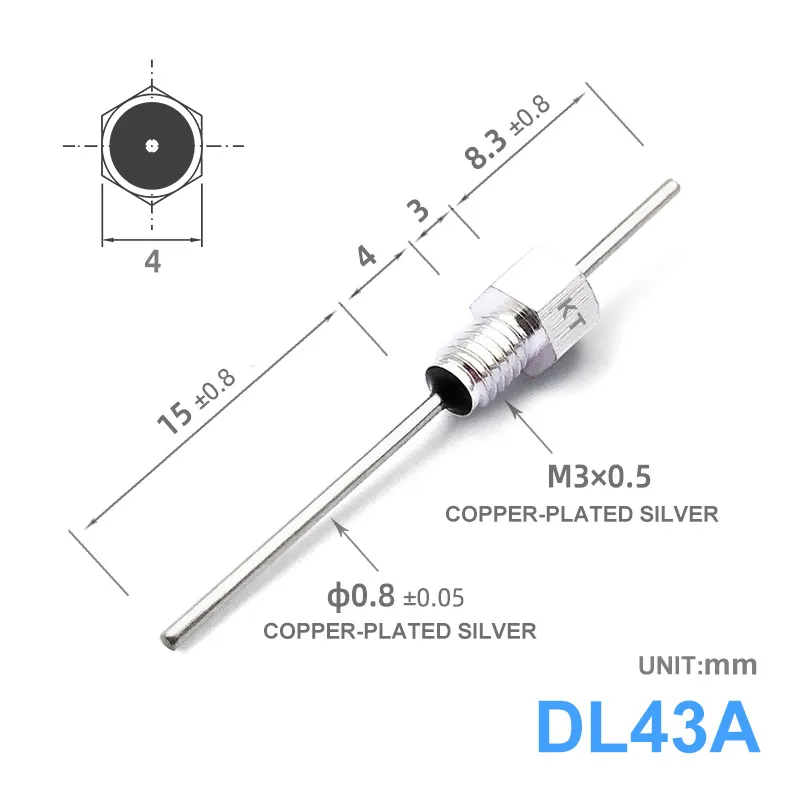
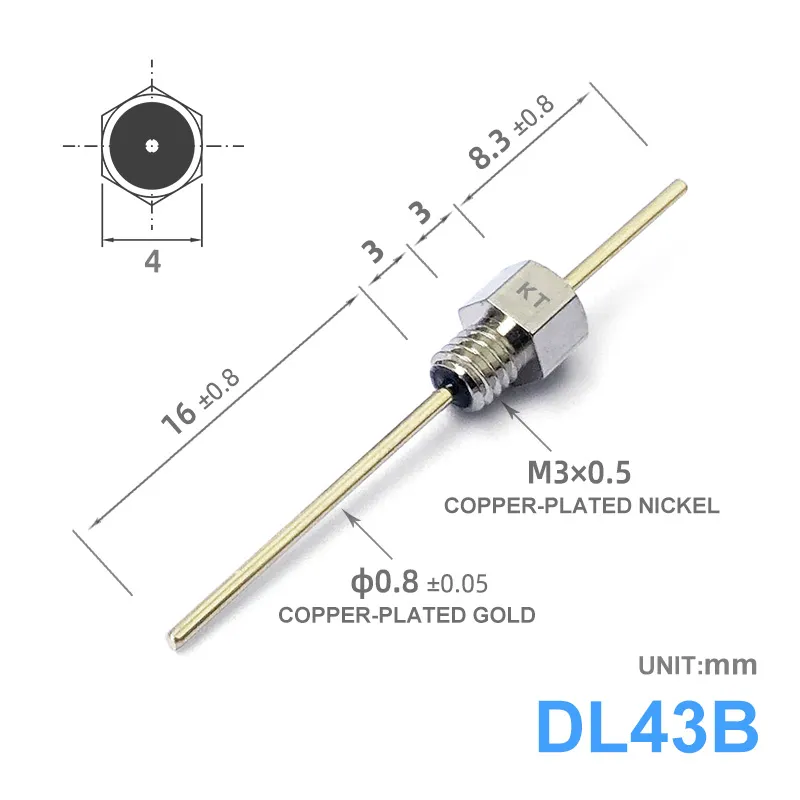
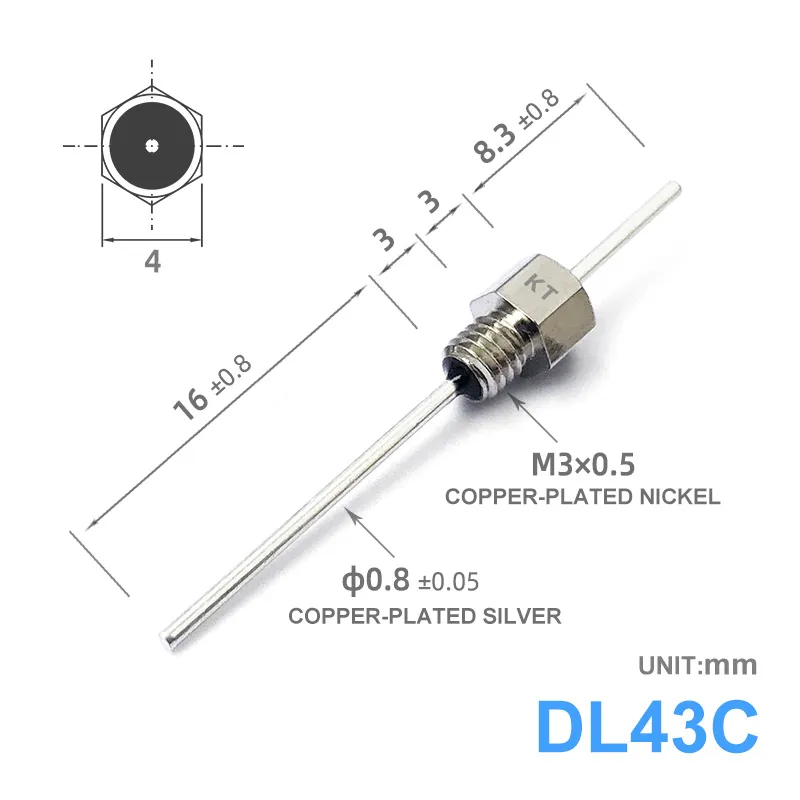
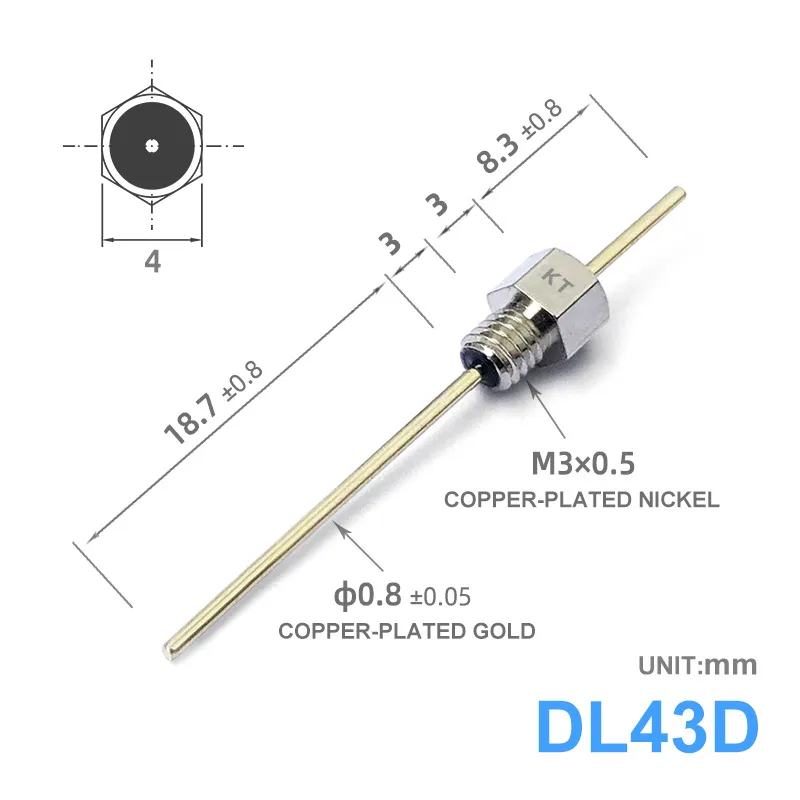
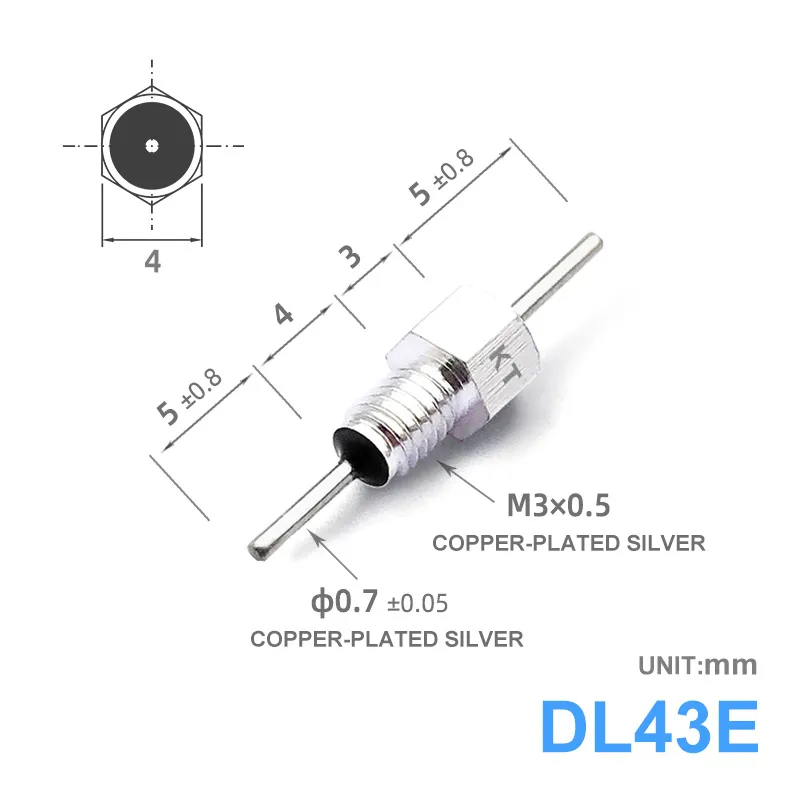
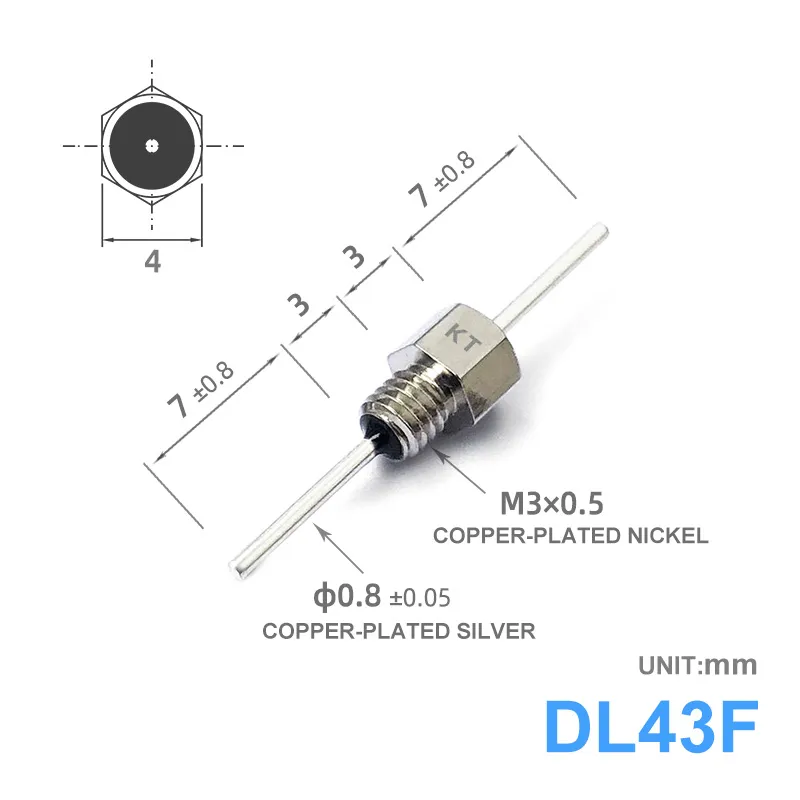
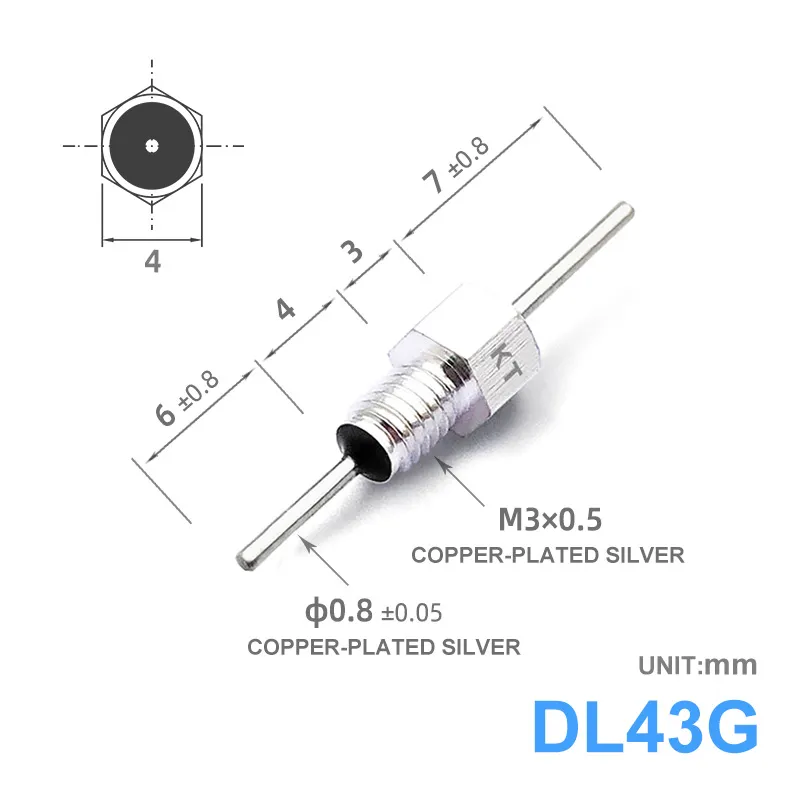
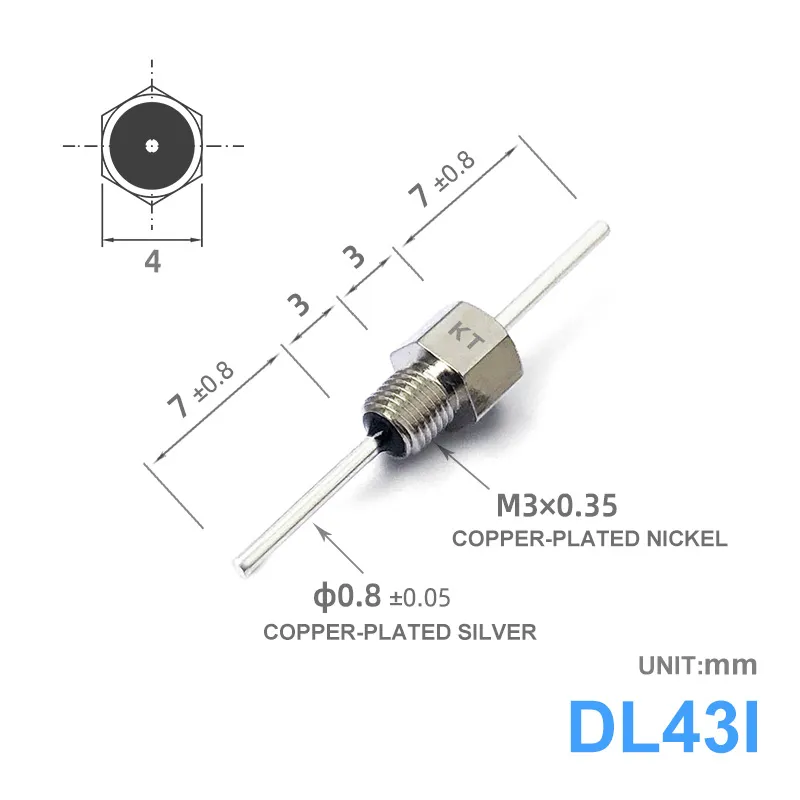
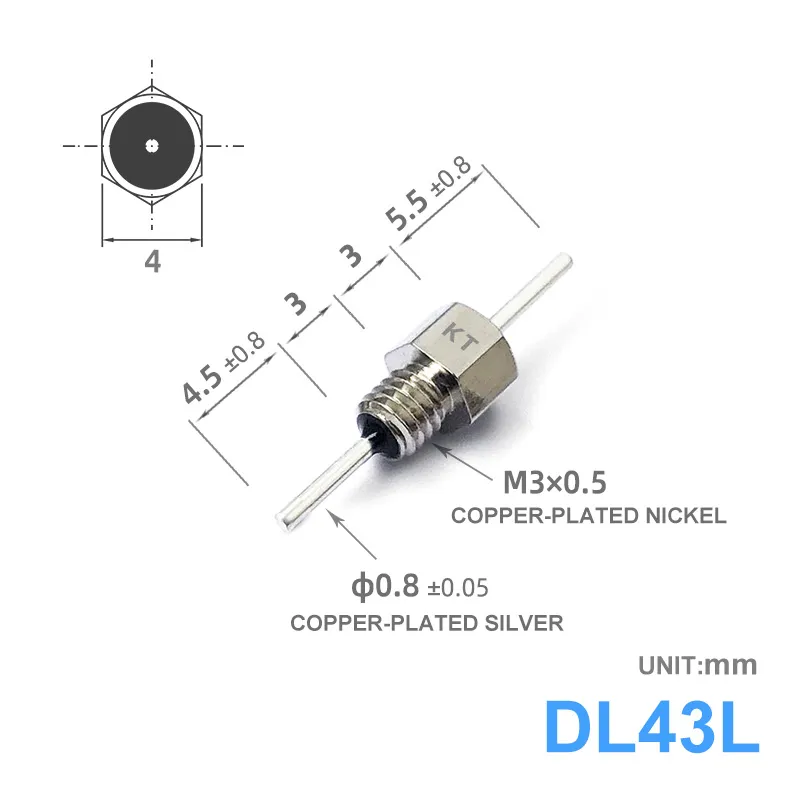
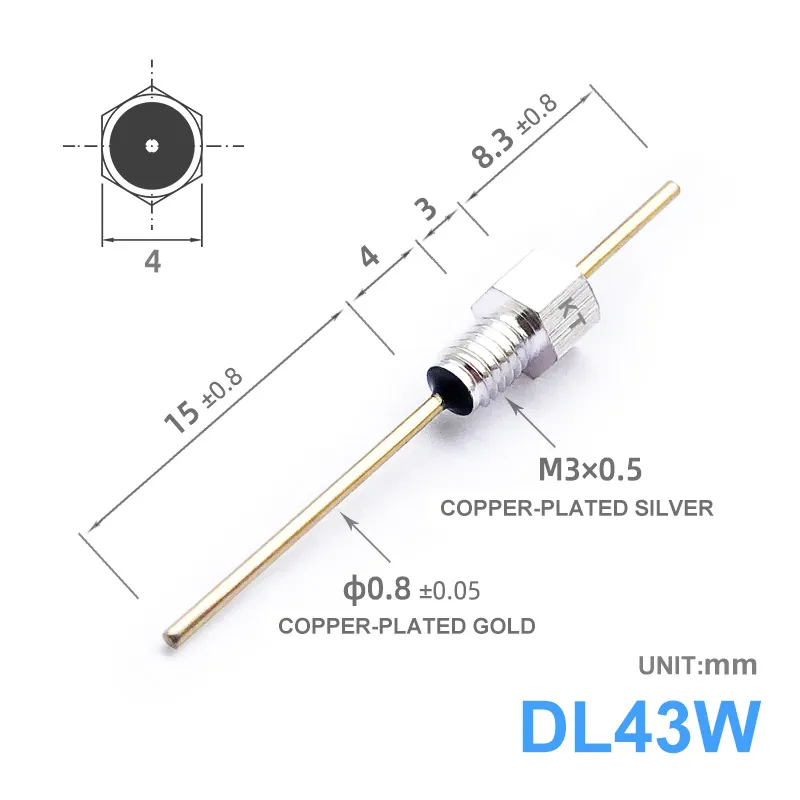
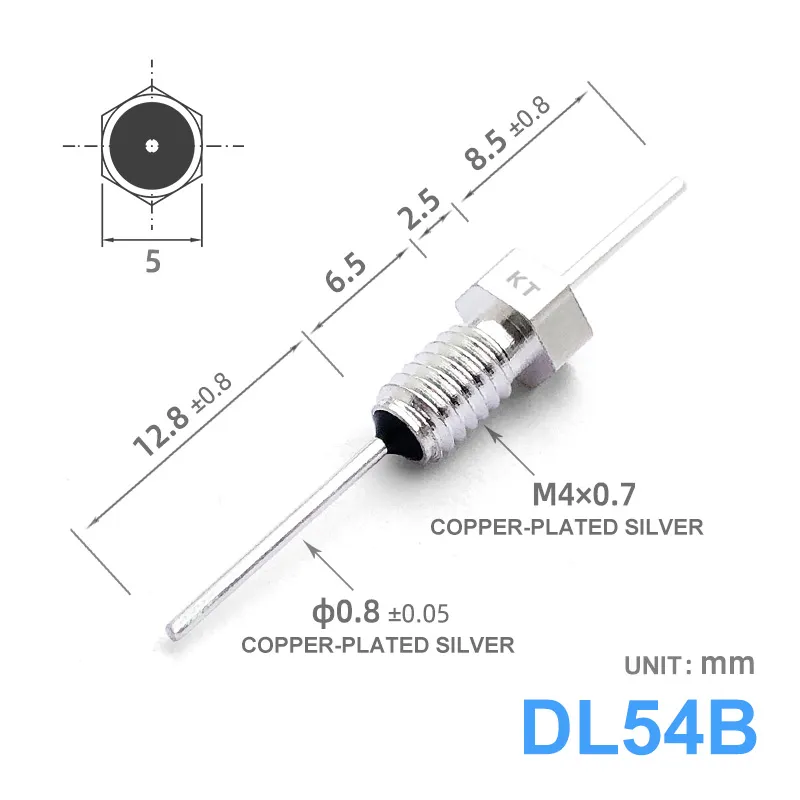
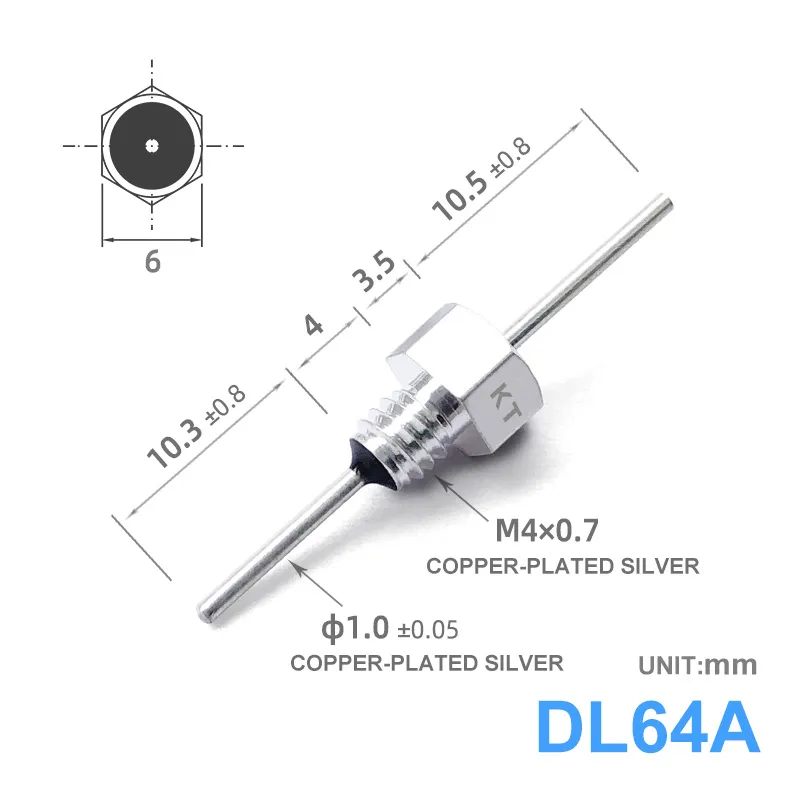
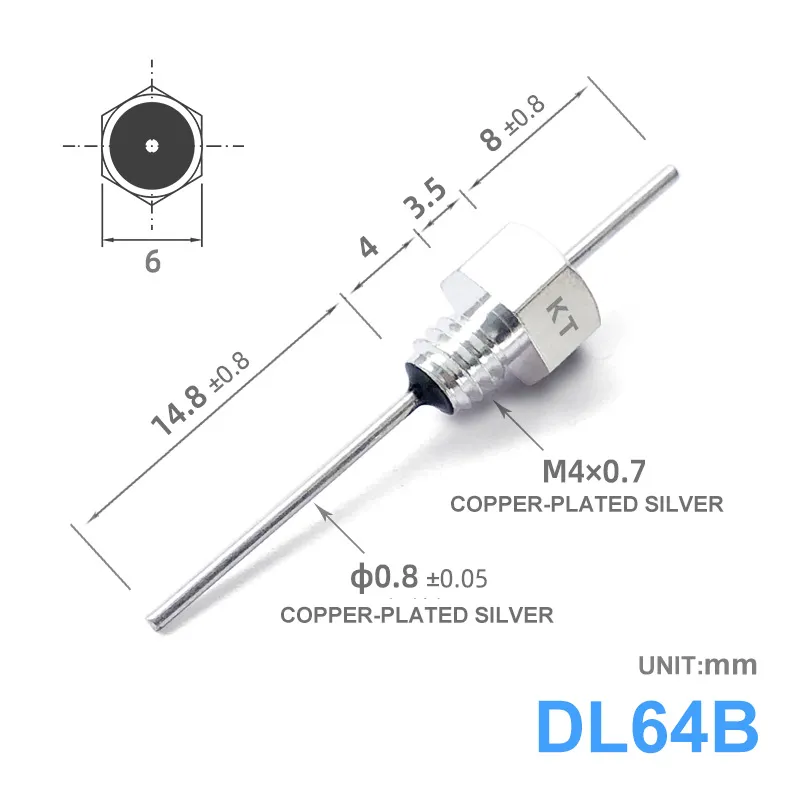
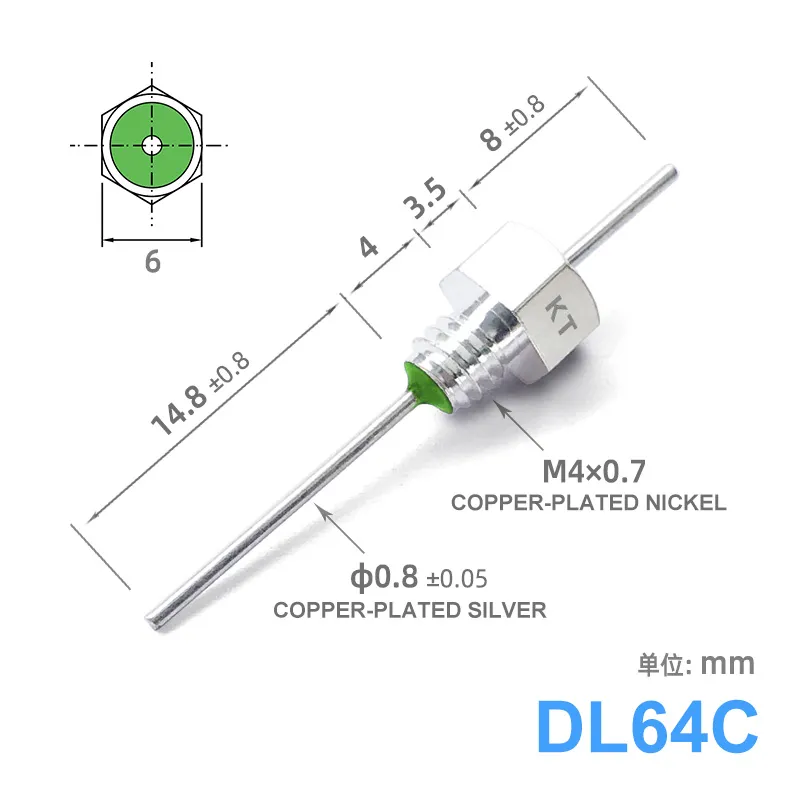
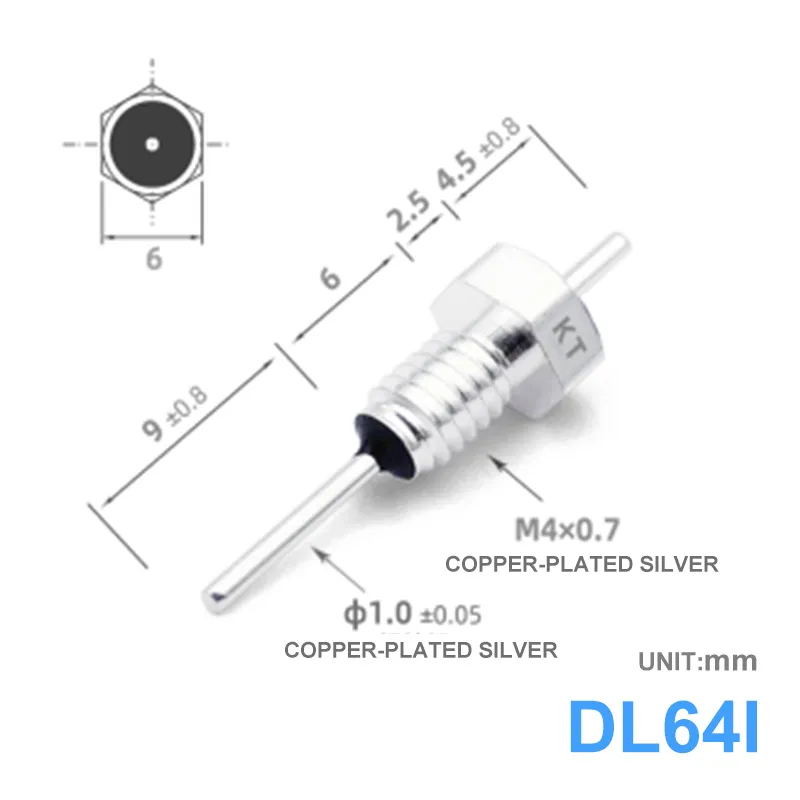
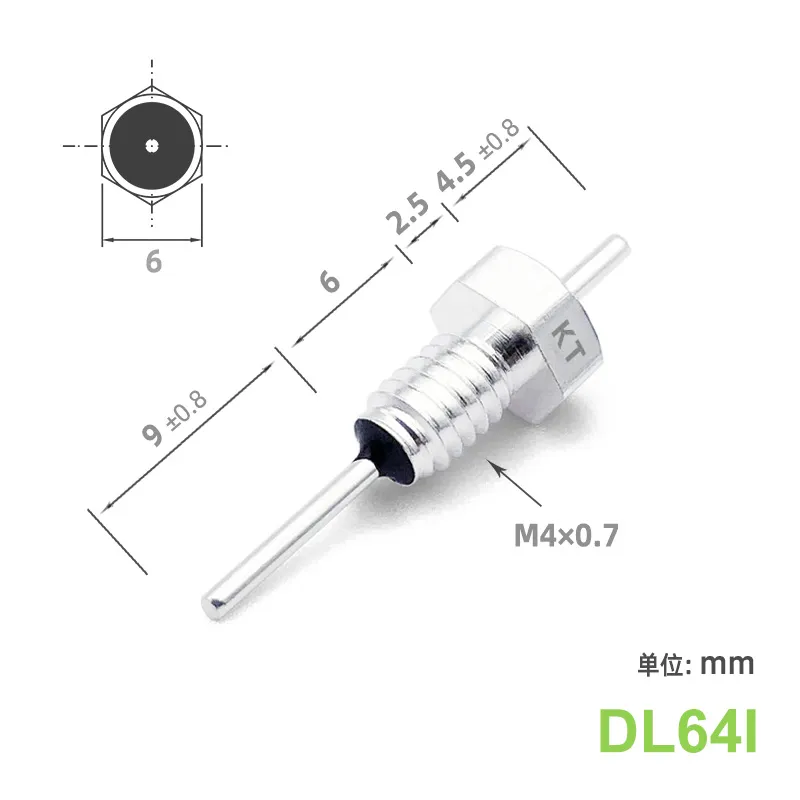
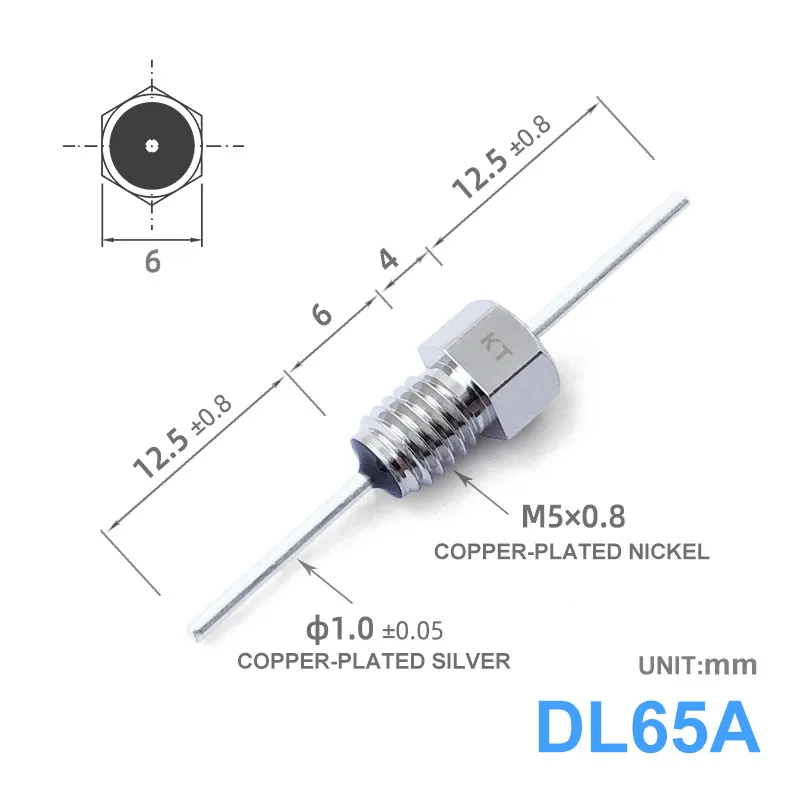
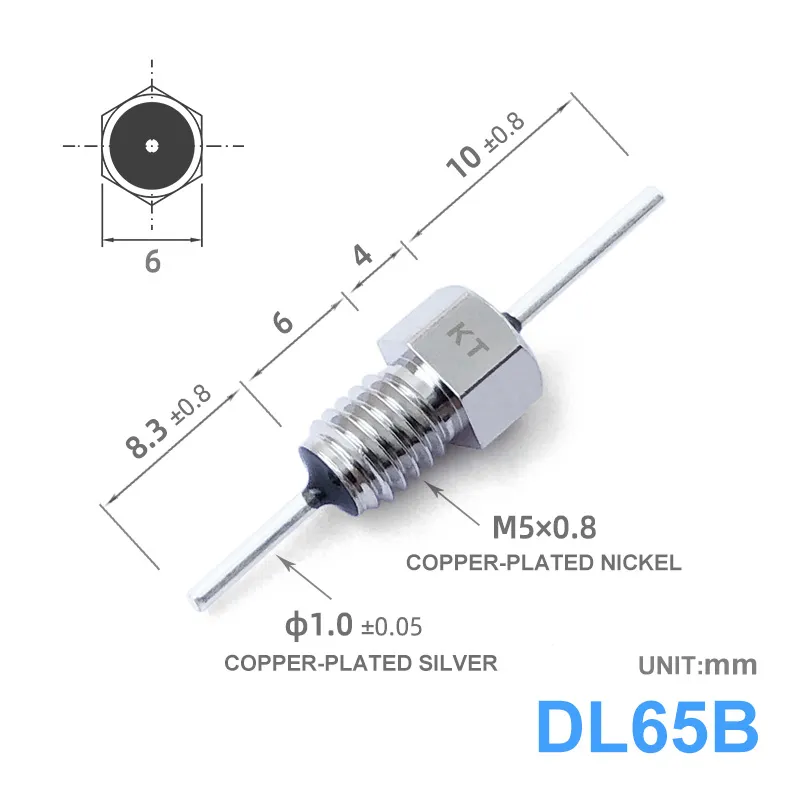
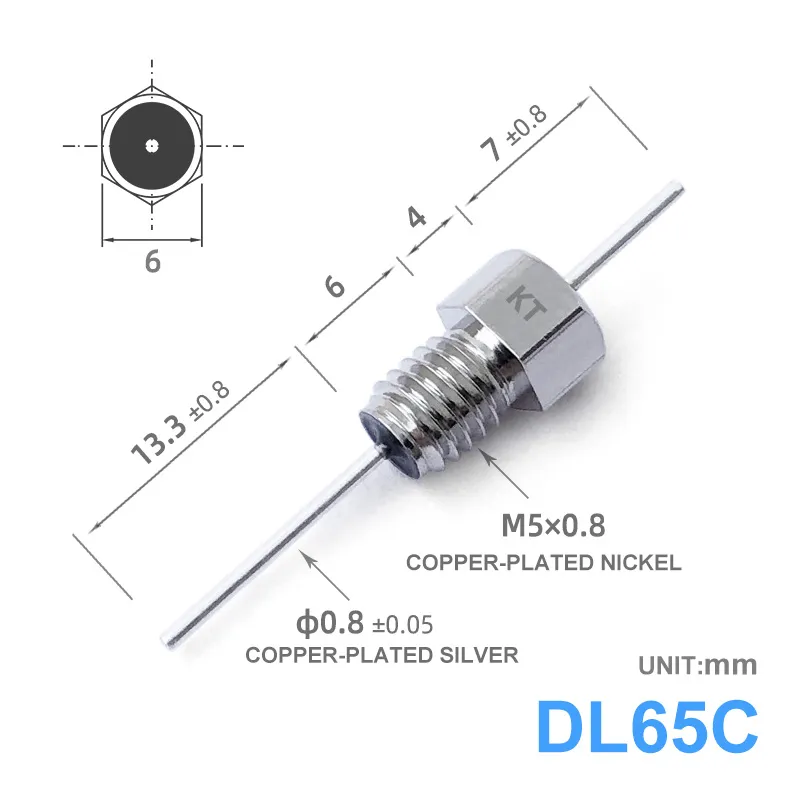
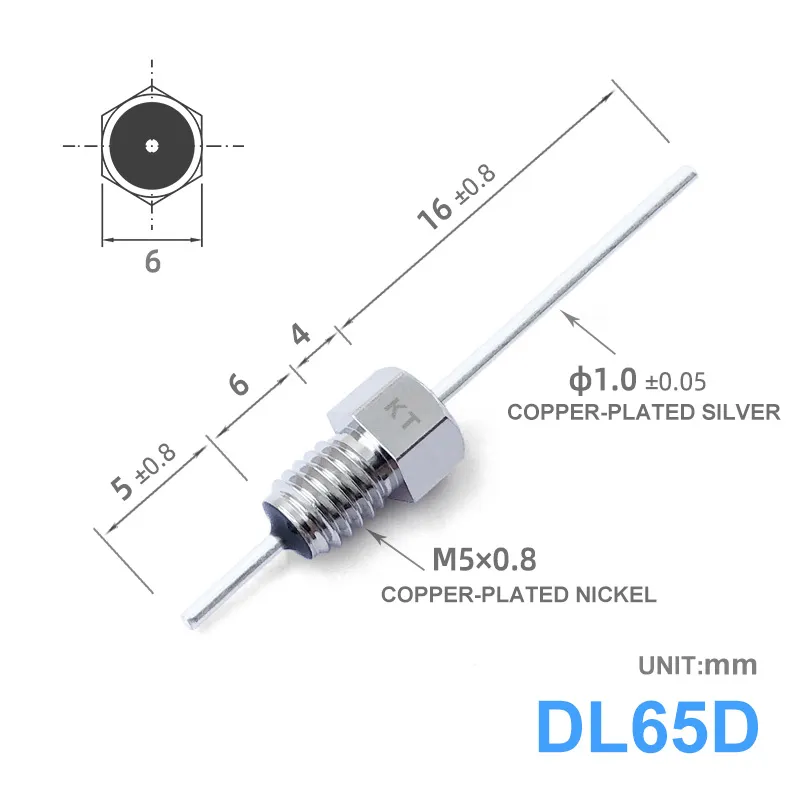
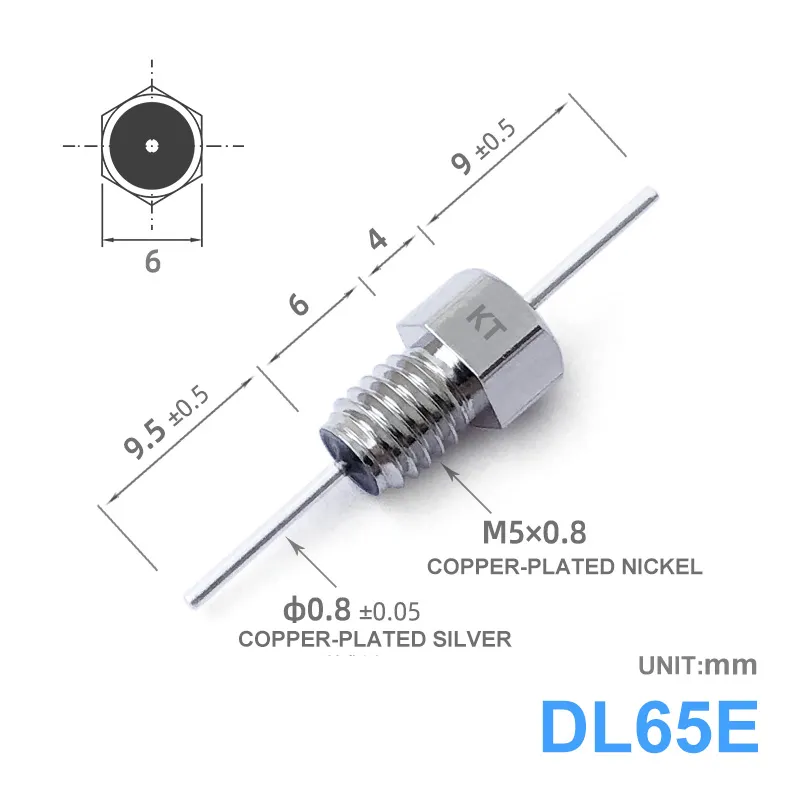
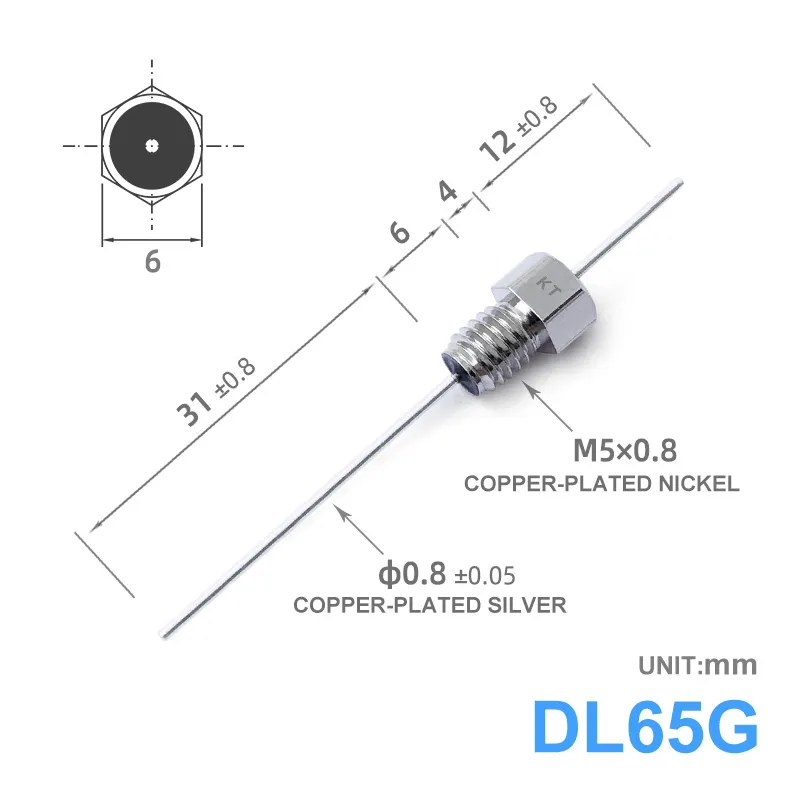
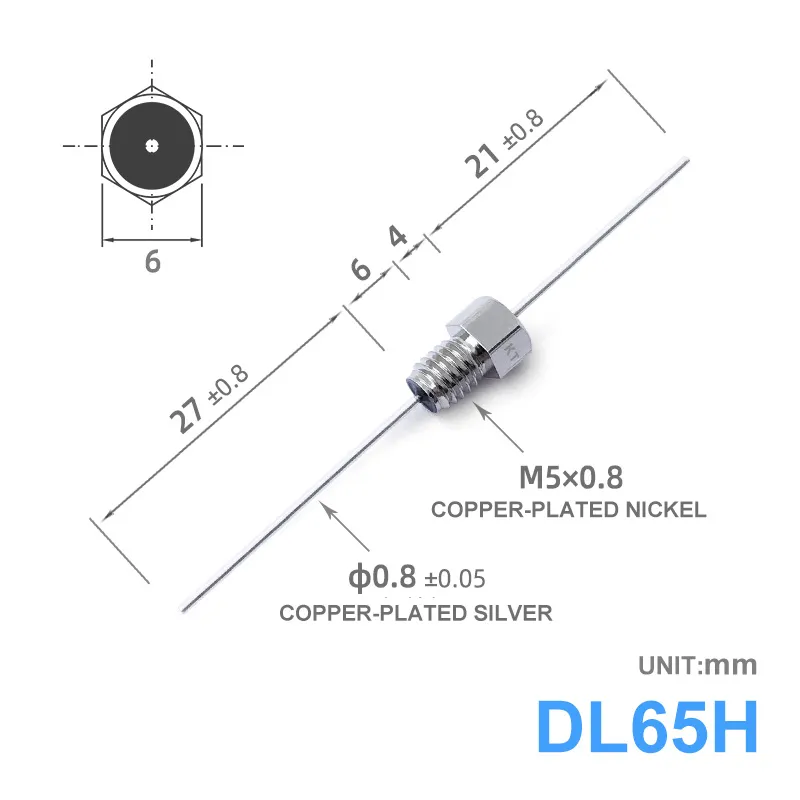
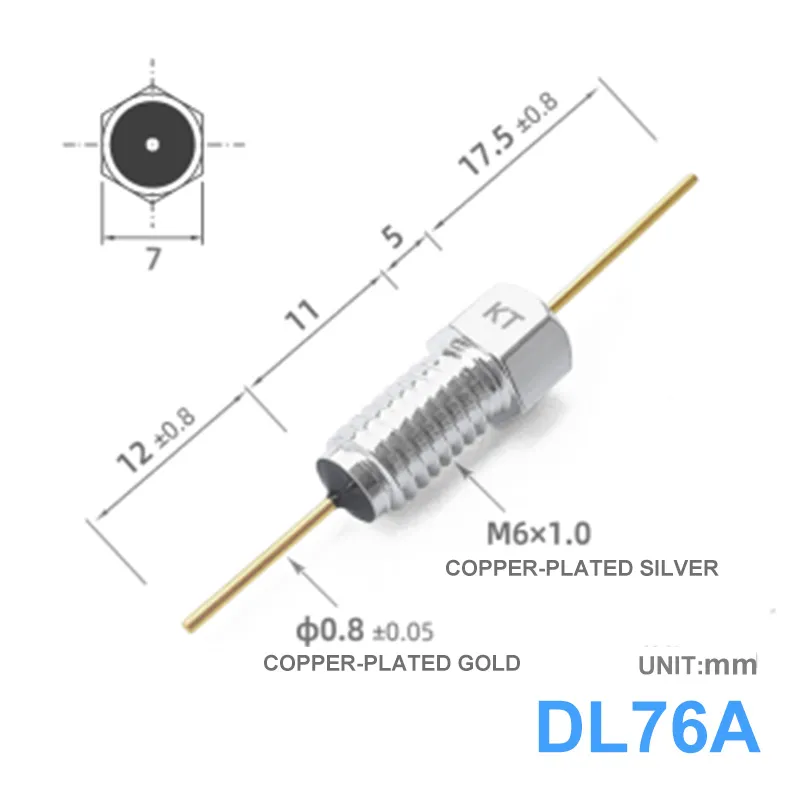
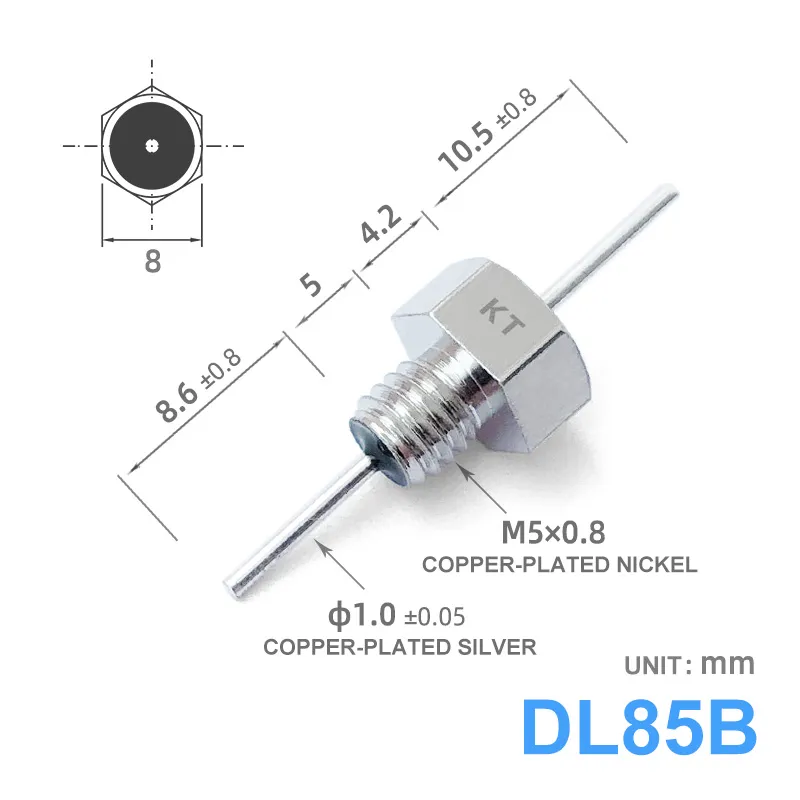
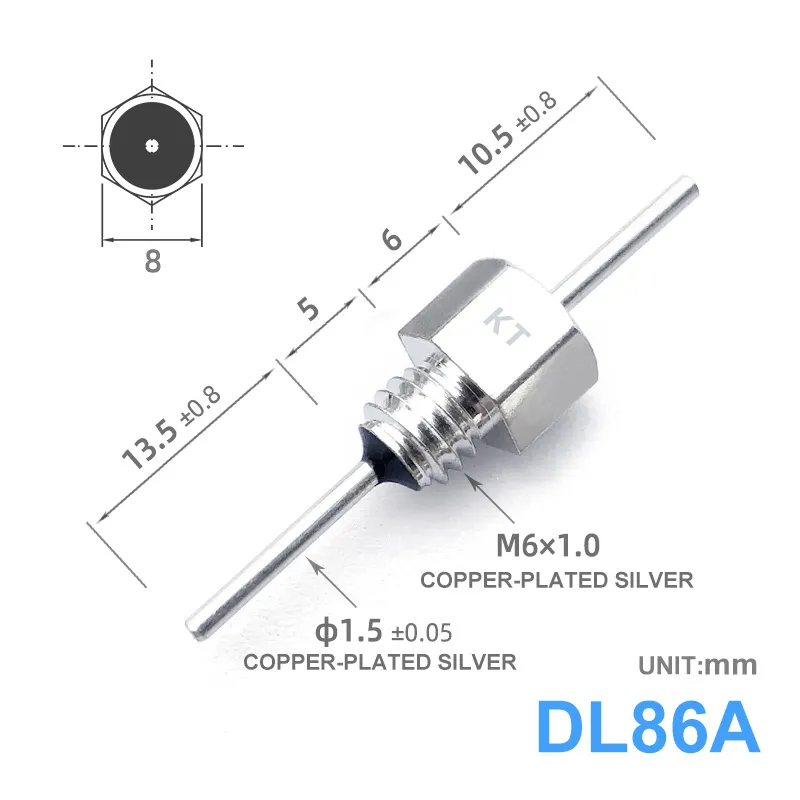
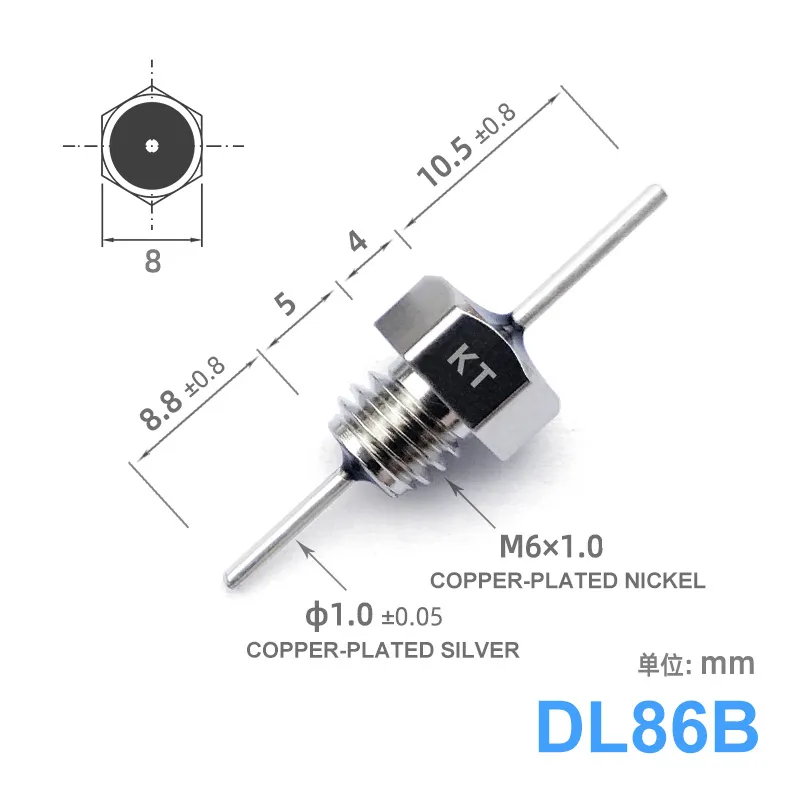
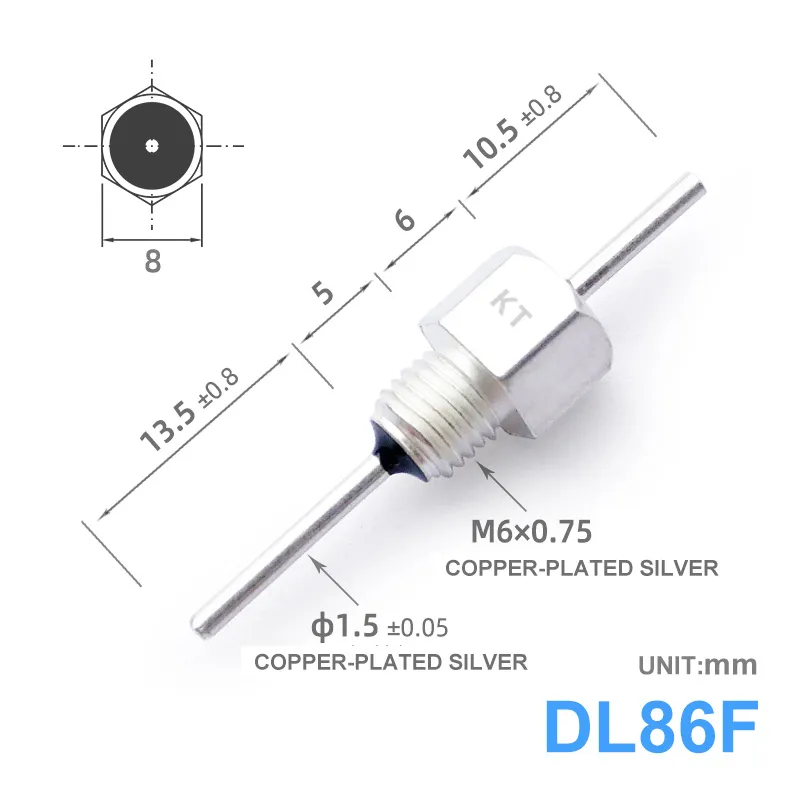
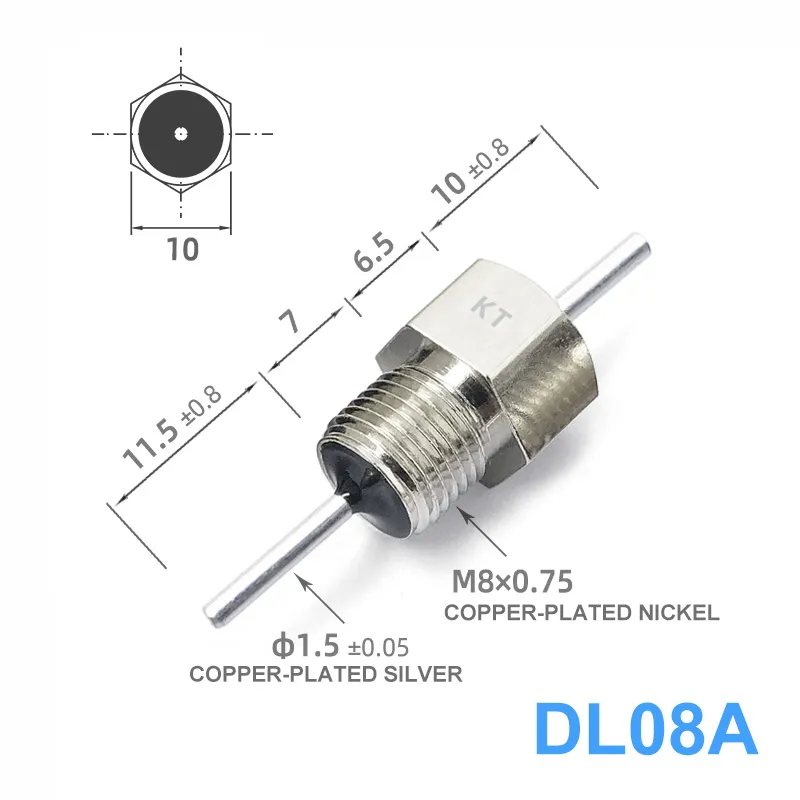
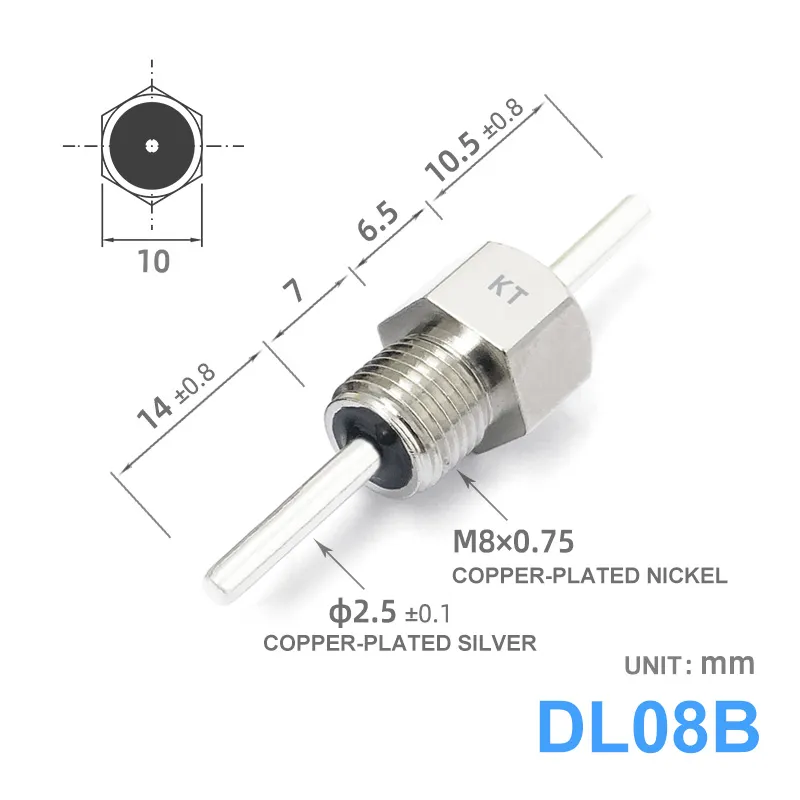
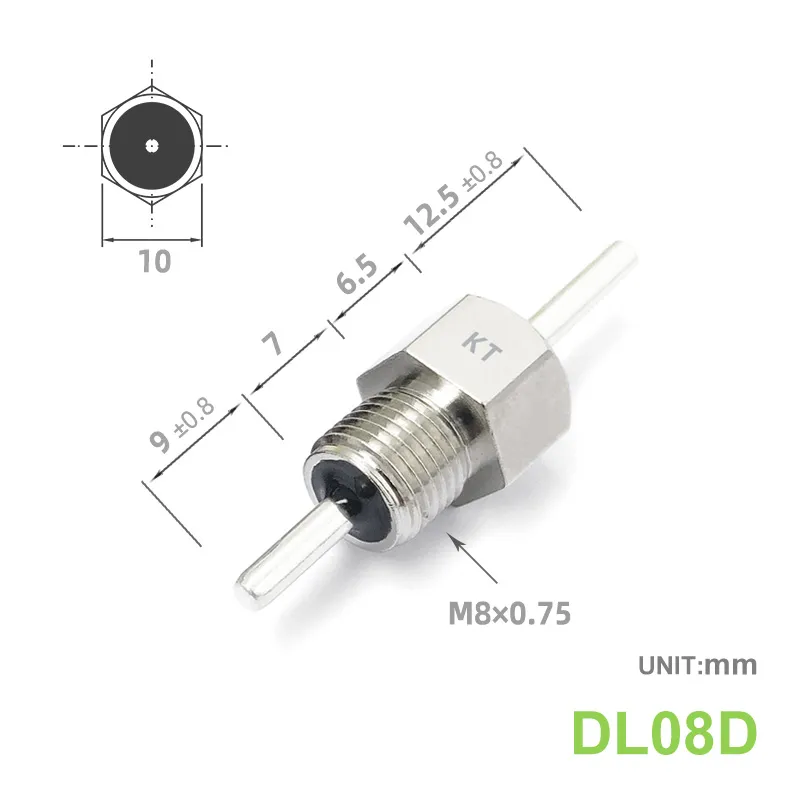
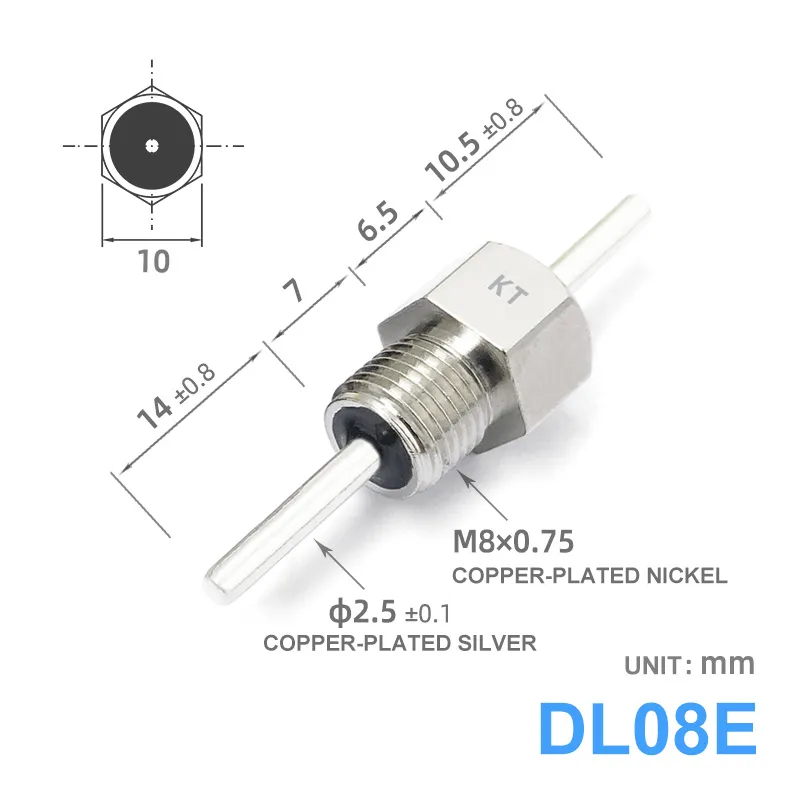
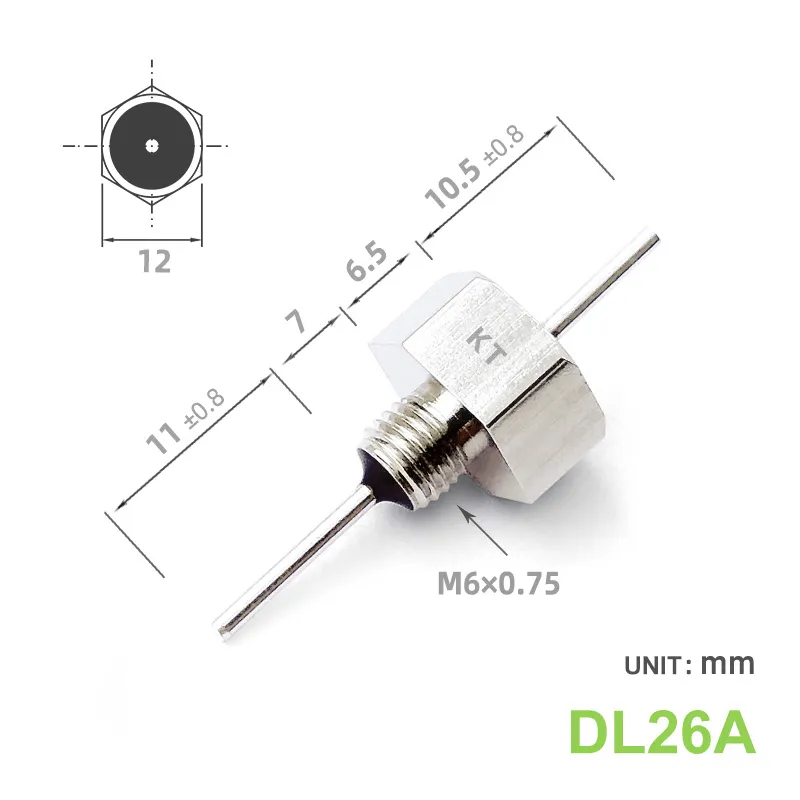
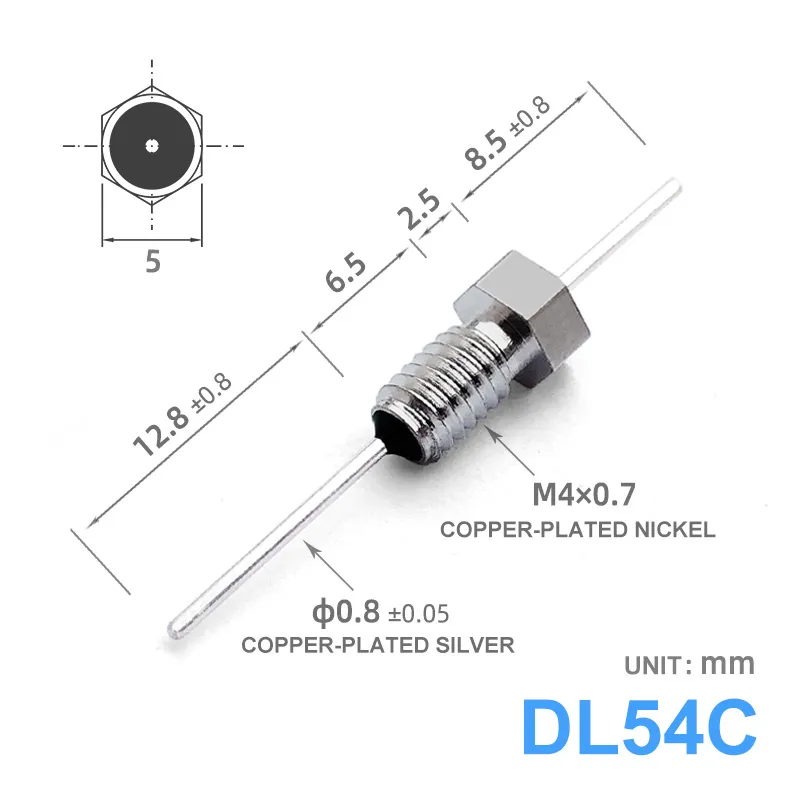
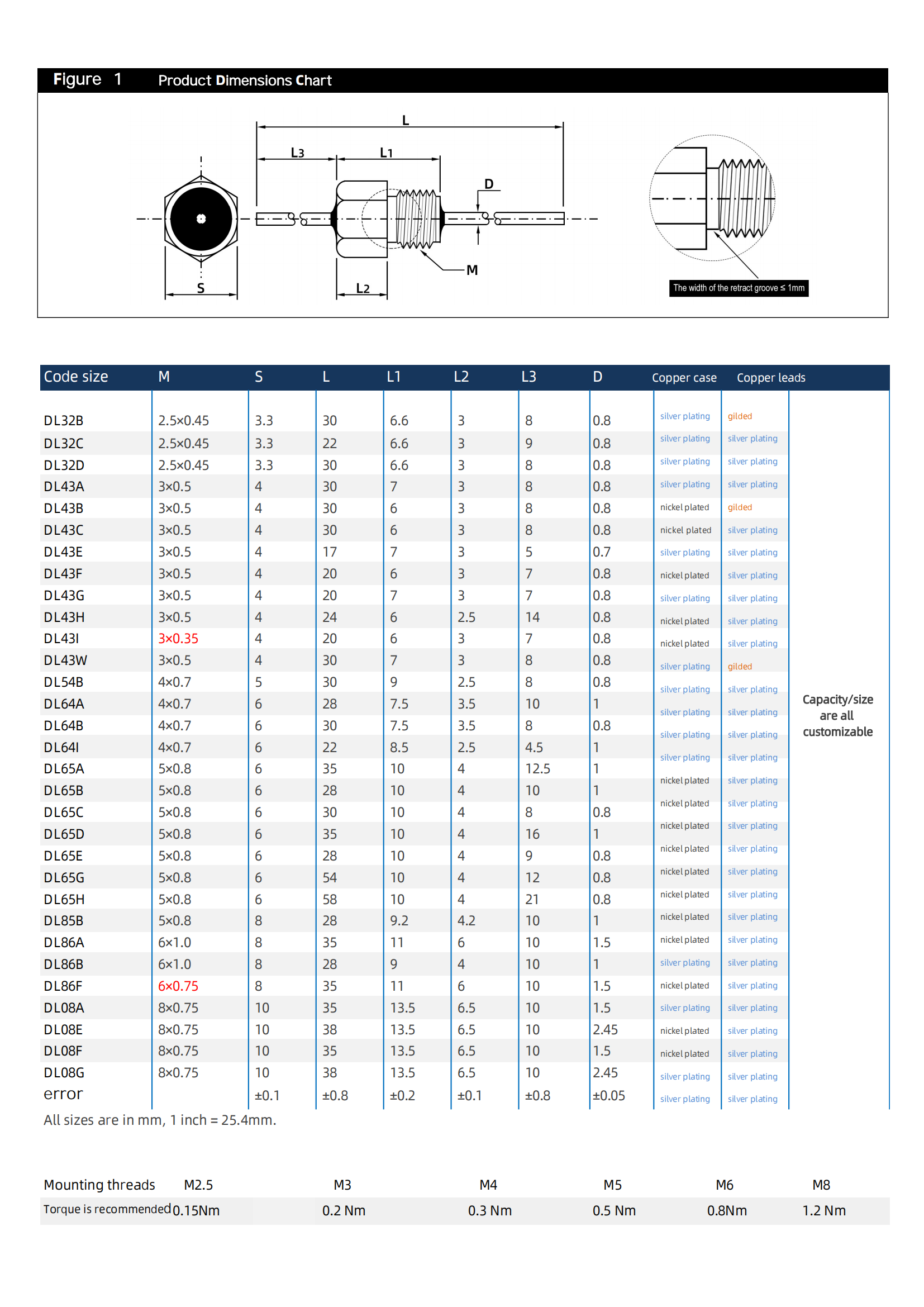
Feedthrough Capacitors Selection
 |  |  |  |
 |  |  |  |
 |  |  |  |
 |  |  |  |
 |  |  |  |
 |  |  |  |
 |  |  |  |
 |  |  |  |
 |  |  |  |
 |
 |
 |
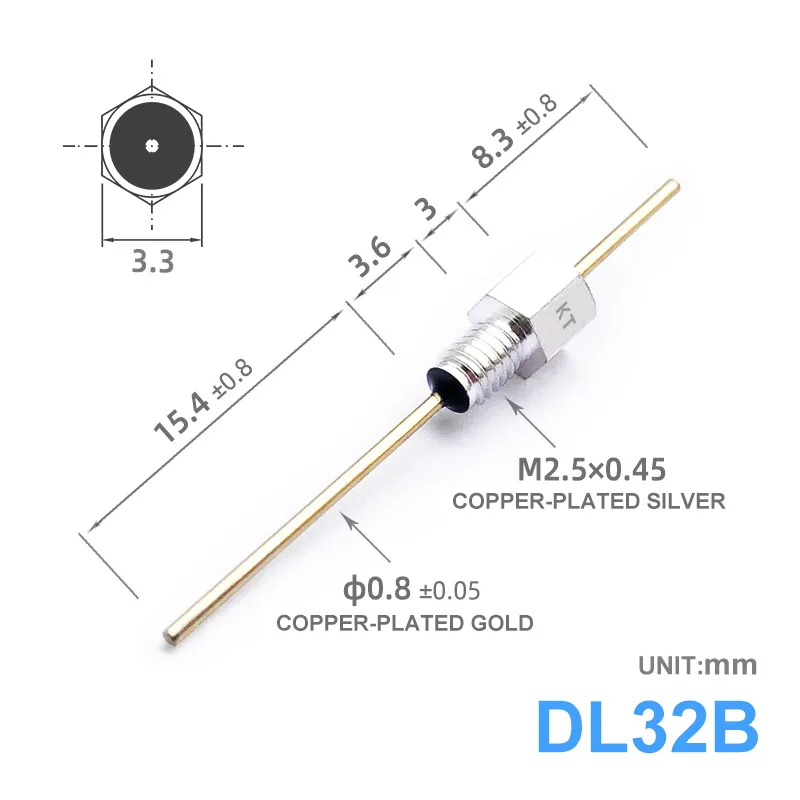
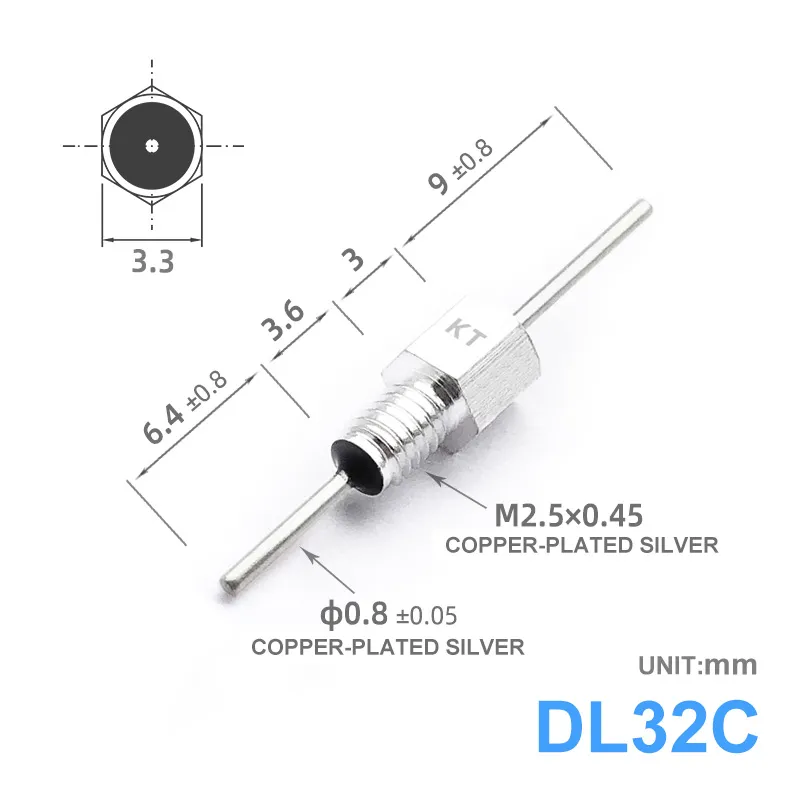
The above are some common feedthrough capacitors. If these do not meet your needs, please contact us in time. We can customize feedthrough capacitors for you according to your needs. Similar filter types, such as the T-type filter, are also available for specialized applications.
Introduction to Feedthrough Technology
Feedthrough technology is fundamental to the design of modern electronic systems, where the need to control and suppress high frequency signals and electromagnetic interference (EMI) is critical for reliable operation. At the heart of this technology are feedthrough capacitors, which act as specialized filters between input and output terminals. By providing a direct, low-resistance path for electrical signals while blocking unwanted high frequency noise, feedthrough capacitors help maintain the integrity of sensitive equipment. Their unique construction ensures that EMI is effectively filtered out, making them indispensable in applications ranging from communication systems and medical equipment to military applications. The reliability and performance of these components are essential for systems where uninterrupted operation and signal clarity are paramount, highlighting the importance of feedthrough technology in today’s advanced electronic environments.
Types and Characteristics
Feedthrough capacitors are available in several types, each tailored to specific filtering needs and circuit conditions. The C-type feedthrough filter is a cost-effective, three-terminal capacitor that excels at suppressing high frequency noise, making it ideal for circuits with high impedance sources and loads. For applications requiring enhanced filtering, the LC-type filter incorporates both a capacitor and an inductor, providing improved attenuation for low impedance sources and high impedance loads. The Pi-type filter, featuring two capacitive elements and a central inductive element, offers even greater high frequency filtering performance, especially in demanding environments. T-type filters are also used for specialized applications where additional filtering stages are needed. When selecting a feedthrough capacitor, it is important to consider factors such as capacitance, rated voltage, and lead inductance, as these characteristics directly influence the filter’s effectiveness and suitability for a given application. By understanding the differences between these types, engineers can choose the most appropriate component to ensure optimal filtering and system performance.
How a Feedthrough Filter Works
A feedthrough filter operates by integrating a low-pass filter directly into the electrical path, allowing only low-frequency signals to pass while blocking high frequency signals and electromagnetic interference (EMI). The design ensures that the input and output terminals are electrically isolated, which prevents high frequency coupling and maintains signal integrity. The dielectric material within the feedthrough capacitor is engineered to absorb and attenuate unwanted frequencies, making it highly effective at filtering out radio frequency interference (RFI) and other sources of EMI. Additionally, the construction of feedthrough filters minimizes lead inductance, which is crucial for maintaining a strong filtering effect at high frequencies. This makes feedthrough filters an essential component in a wide variety of applications, from power line filtering and circuit board protection to sensitive medical equipment and advanced communication systems. By understanding the working principles of feedthrough filters, designers can ensure that their systems remain protected from disruptive high frequency noise and maintain reliable performance across all operating conditions.


Comprehensive score