How to Test EMI Filter
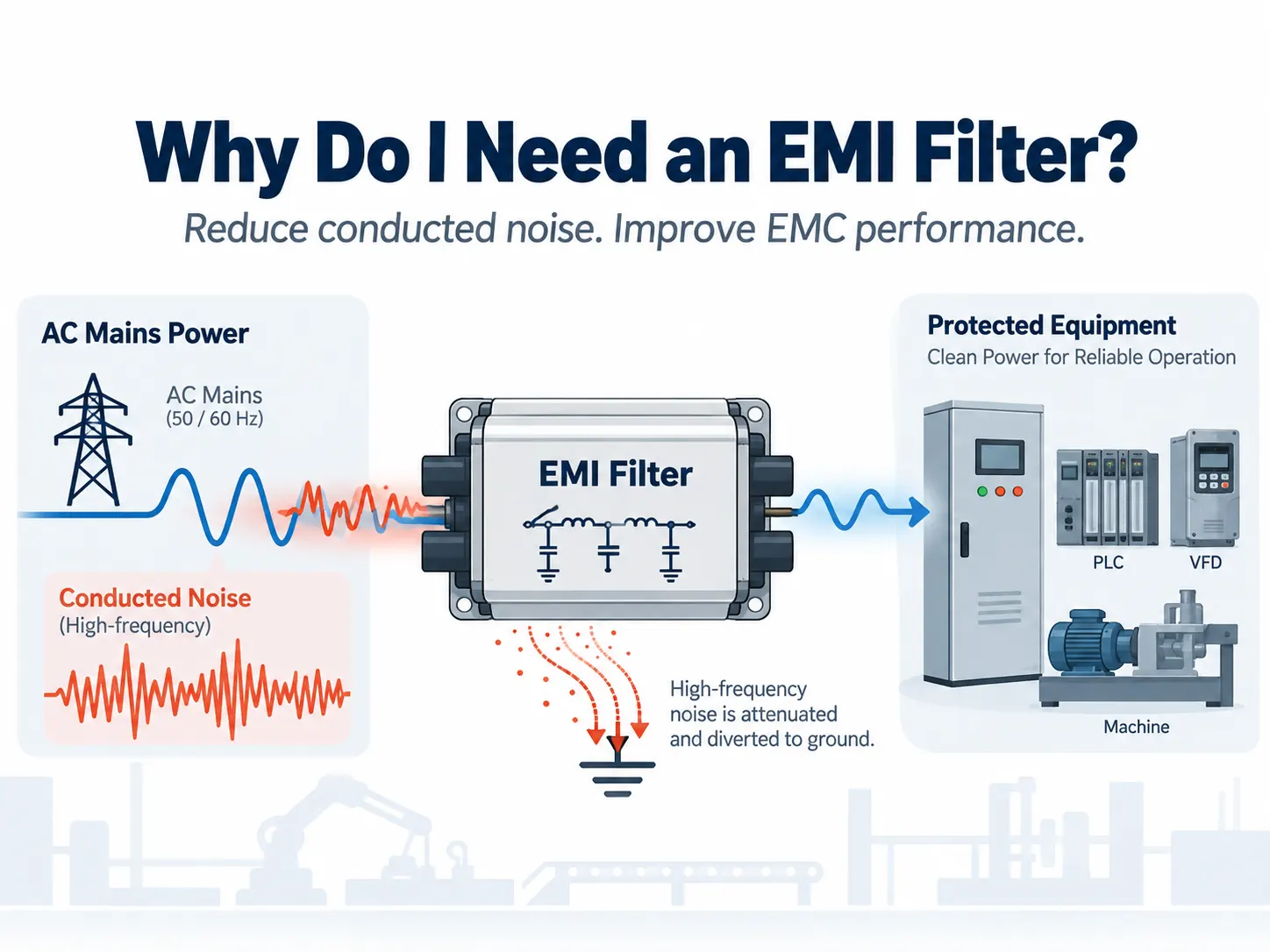
EMI (electromagnetic interference) will be generated when electronic equipment is running. Severe EMI will affect the normal operation of the equipment or even damage it. Filters can help electronic equipment reduce power supply interference and noise and ensure the normal operation of the equipment, so it is particularly important to choose a correct filter.
So how do we confirm that the selected EMI filter is of high quality? Next I will share with you how to test EMI filters.
So how do we confirm that the selected EMI filter is of high quality? Next I will share with you how to test EMI filters.
Choose the right EMI/EMC filter
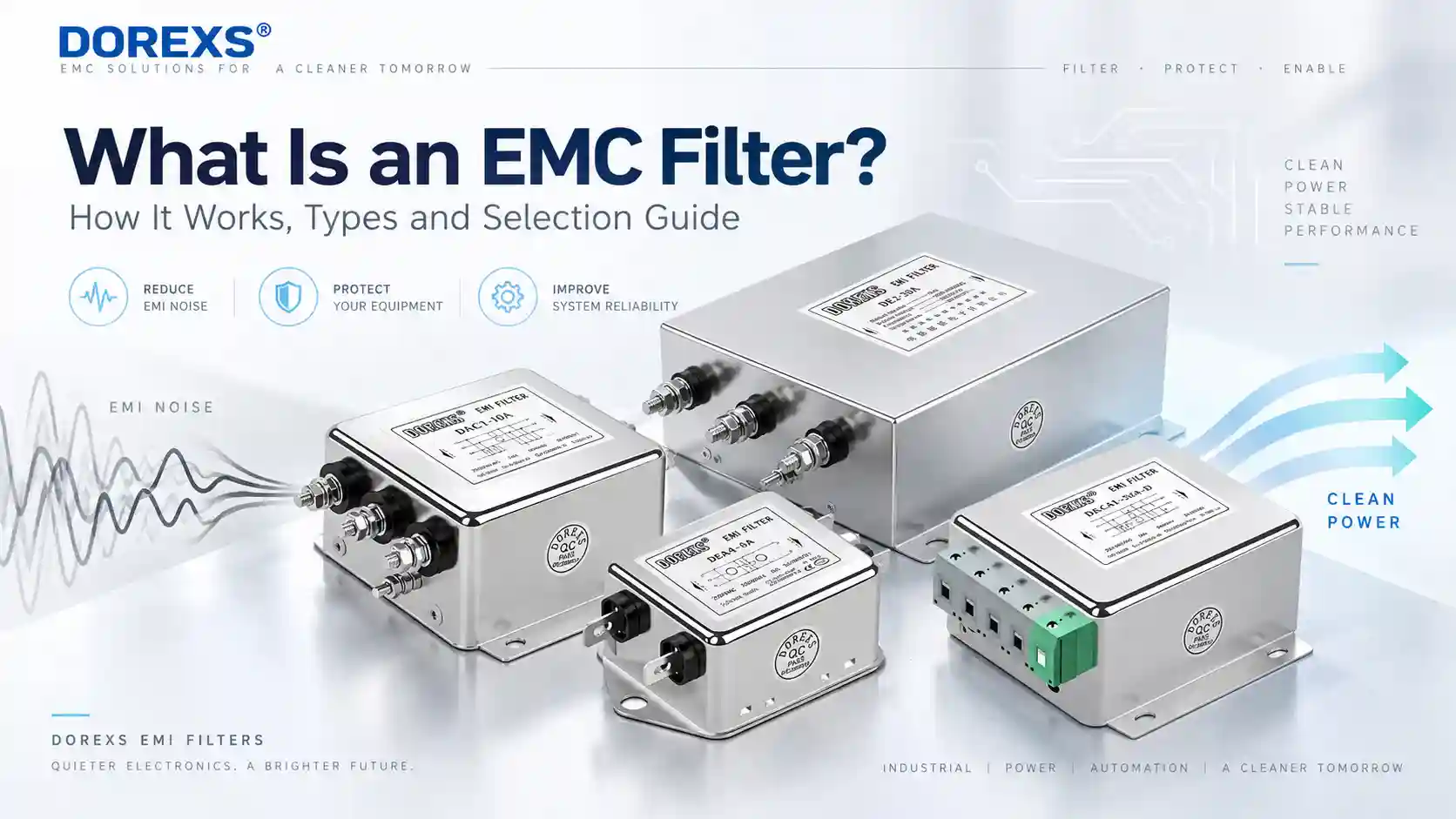
EMI filters, also known as EMI suppression filters, are composed of capacitors and inductors. They suppress unwanted high-frequency noise or electromagnetic noise through the characteristics of capacitors and inductors to purify power supply signals.
It is very important to choose a suitable EMI filter. Different EMI filters have different sizes, performance and costs. It is particularly important to choose an EMI filter with the highest cost performance within the budget.
At the same time, the types of filters used in different systems or equipment are also different, and the suppression capabilities of EMI filters have their own advantages. In a three-phase system, single-phasefilters are not applicable, and only three-phase filters can be selected. Similarly, in a single-phase system, choosing a single-phase filter is sufficient to meet the needs. You can check how to choose an EMI filter for more information.

EMI filter testing
Observe the appearance of the filter
When we get an EMI filter, we must first observe whether the appearance is damaged and whether there are obvious cracks. Secondly, check whether the connection is firm and whether there is any looseness. Finally, check whether the input and output terminals are clearly marked. When any of the above conditions occur, the power filter is likely to be an inferior product and should not be used.
Performance test
1.Insertion loss test: Insertion loss is one of the important indicators to measure the performance of EMI filters. The greater the insertion loss, the better the performance of the filter. The test steps are as follows:
Connect the device ➡ Measure the baseline ➡ Install the filter ➡ Measure the insertion loss
Connect the device ➡ Measure the baseline ➡ Install the filter ➡ Measure the insertion loss
2.Frequency response test: This test is used to determine the attenuation characteristics of the EMI filter at different frequencies. The steps are as follows:
Signal source setting ➡ Record data ➡ Analyze the results
Draw the frequency response curve through the results to view the attenuation energy absorption of the EMI filter within the frequency range.
Signal source setting ➡ Record data ➡ Analyze the results
Draw the frequency response curve through the results to view the attenuation energy absorption of the EMI filter within the frequency range.
3.Common mode and differential mode test: Measure the common mode noise and differential mode noise attenuation at the output of the EMI filter
4.Impedance matching test: Good impedance matching can improve the efficiency of the filter and reduce the attenuation and distortion of the signal.
- Group delay test: Group delay index is one of the important indicators for evaluating filter performance. Low group delay can ensure the accuracy of the signal after passing through the EMI filter.
- Withstand voltage test: Test the tolerance of the EMI filter under the rated voltage by continuously increasing the input voltage.
- Temperature test: Test whether the performance of the EMI filter is stable at different temperatures.
5.Conducted emission test: This test is used to measure the performance of the EMI filter in suppressing conducted interference in actual use. The steps are as follows:
Connect the device ➡ Measure the emission ➡ Compare the results
Compare the conducted interference level before and after using the EMI filter to evaluate the suppression effect of the EMI filter.
Connect the device ➡ Measure the emission ➡ Compare the results
Compare the conducted interference level before and after using the EMI filter to evaluate the suppression effect of the EMI filter.
6.Temperature and humidity environment test: Measure the performance difference of the EMI filter in different environments. The steps are as follows:
Environmental simulation ➡ Measure the above performance
Evaluate the stability of the EMI filter performance under different temperatures and humidity.
Environmental simulation ➡ Measure the above performance
Evaluate the stability of the EMI filter performance under different temperatures and humidity.
In short, in order to ensure the normal operation of electronic equipment, it is very important to check the quality of EMI power filters. By observing external conditions and using test instruments to perform performance tests, such as insertion loss, impedance matching test and group delay test, you can determine whether the filter performance is good. If a poor-quality EMI filter is found to be worse in time, it can effectively avoid damage to electronic equipment.
Additional EMI filter parameter characteristics
The parameters of EMI filters are not critical in every industry or environment, and specific situations should be analyzed specifically. The following are other parameters about EMI filters:
- DCR/power loss: When current passes through the filter, the EMI filter has its own resistance heat loss.
- Resonance/harmonic distortion: When the EMI filter is working, it resonates with other components in the device, seriously affecting the performance of the device and generating noise.
- Temperature rise: When the EMI filter is working, the temperature rises due to the heat generated by its own resistance.
- EMI standards: Different countries or regions have clear regulations on EMI emissions of electronic equipment, and EMI filters help these devices that have not passed EMC testing to serve requirements.
- Authoritative certification: EMI filters must meet the requirements of relevant agencies before they can be used in electronic and electrical equipment. For example: UL certification.

DOREXS EMI filters
If you need effective EMI protection or EMC testing, DOREXS can provide you with reliable and durable EMI filters. We provide high-quality EMI filters for military, aerospace and medical applications, as well as cost-effective EMI filters for small home appliances and industrial uses. If you need an EMI filter with special custom requirements, our team of experts can design an EMI suppression filter that meets your specific requirements.
With 15 years of EMI experience, DOREXS is a trusted manufacturer of high-quality EMI filters for medical, military, commercial and residential applications. All our EMI filters comply with industry standards and EMC regulations. Explore our selection of EMI filters or submit a custom quote request to get the perfect EMI filter for your needs.
For more information about DOREXS custom and standard EMI filters, please contact us.Learn more about DOREXS EMI solutions.
With 15 years of EMI experience, DOREXS is a trusted manufacturer of high-quality EMI filters for medical, military, commercial and residential applications. All our EMI filters comply with industry standards and EMC regulations. Explore our selection of EMI filters or submit a custom quote request to get the perfect EMI filter for your needs.
For more information about DOREXS custom and standard EMI filters, please contact us.Learn more about DOREXS EMI solutions.
How to Select EMI Filter
What is EMI Filter