The role of EMI Filters in LED Lighting Systems
In modern lighting systems, the popularity of LED (Light Emitting Diode) technology has brought many advantages, such as high efficiency, long life and low energy consumption. However, EMI (electromagnetic interference) from LED lighting is a very common problem. It can affect the performance and stability of the LED lights, while it can also create interference issues, such as interfering with nearby radio signals, or it can simply be a problem getting through regulatory hurdles like the FCC or CE. This article will discuss the causes and hazards of EMI in LED lighting systems and how to use EMI filters to improve system performance.
How is EMI generated in LED lighting?
- Circuit structure of driving power supply: The original LED power supply was a linear power supply, which was bulky and generated a lot of heat, but had little external interference and electromagnetic interference, and was easy to solve. Nowadays, more LED switching power supplies are used, which are all LED driving power supplies in the form of PWM, which have small losses but serious electromagnetic interference (EMI).
- Switching power supply: LED lighting systems usually use switching power supplies (including MOSFETs and IGB high-level switching devices) to convert alternating current into direct current. The sudden changes in current and voltage fluctuations generated during conversion will cause high-frequency electromagnetic radiation, thereby generating EMI.
- Circuit layout: Unreasonable circuit layout and ground wire design can also cause EMI problems. For example, inappropriate wire lengths, loops, and current transmission paths.
- Grounding: Unreasonable grounding is the main cause of EMC. There are three common grounding methods: single-point grounding, multi-point grounding and hybrid grounding. When the frequency of the switching circuit is lower than 1MHz, the single-point grounding method can be used, but it is not suitable for high frequencies; in high-frequency applications, multi-point grounding is more effective.
- PCB circuit board design: Proper printed circuit board (PCB) layout design is critical to preventing electromagnetic interference.
- Electromagnetic induction: Electronic components (such as inductors and capacitors) in LED lighting systems may be affected by magnetic fields and produce electromagnetic interference.

What are the hazards of EMI in LED lighting systems?
- Interference from electronic equipment: EMI in LED lighting systems may interfere with other nearby electronic equipment, causing other equipment to have poor performance or even damage.
- Impaired system stability: EMI in the LED lighting system may affect its own stability, causing LED lamps to flicker, malfunction, or frequently malfunction.
- Human health effects: Long-term exposure to LED lighting environments interfered by EMI may have potential effects on human health.
- Inconsistency between regulations and standards: The laws and regulations of many countries and regions have strict standards for EMI of electronic equipment. Products whose EMI exceeds the specified range will be prohibited from being put into the market.
How to solve EMI problems in LED lighting systems
1. Reduce the interference of the switching power supply itself
- Soft switching technology
- Switching frequency modulation technology
- Component selection
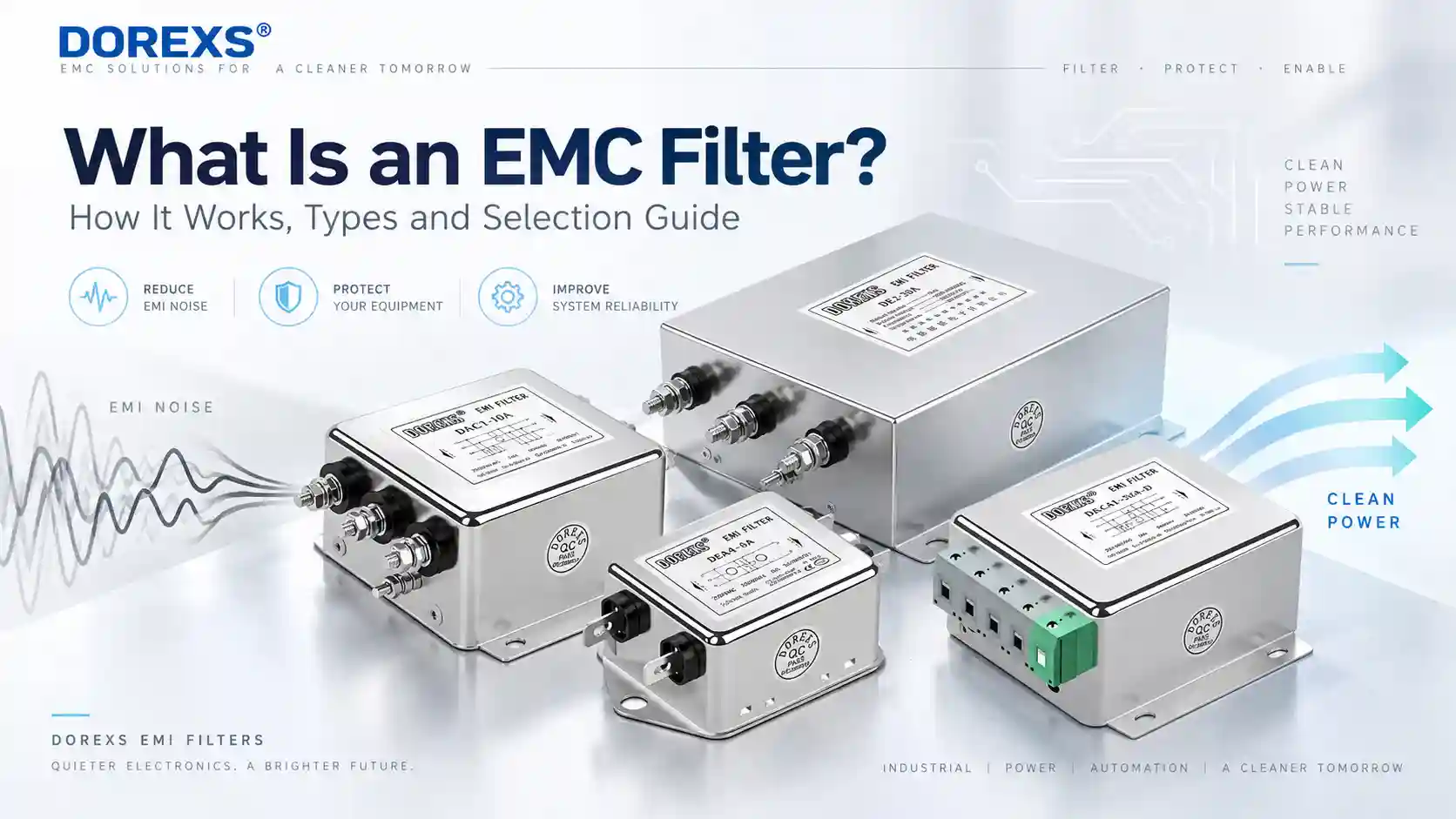
- Proper use of electromagnetic interference filters: Choosing appropriate EMI filters is crucial to suppressing high-frequency noise and electromagnetic interference. According to the characteristics and needs of the system, select the appropriate filter type and parameters, such as LC filter, RC filter or more advanced digital filter.

- EMI filters can effectively suppress electromagnetic interference from switching power adapters
2. Cut off the propagation path of interference signals
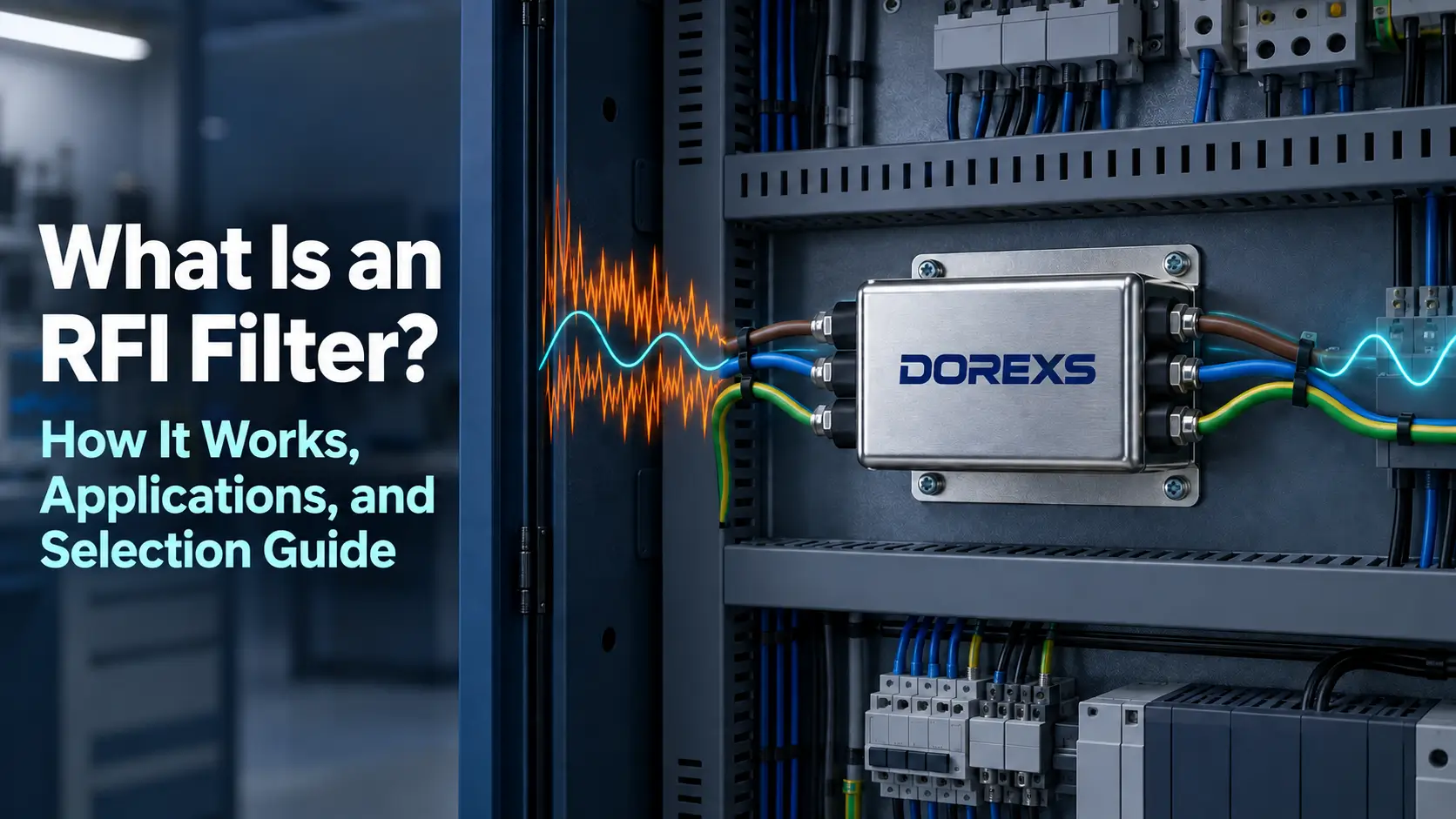
- Power line interference can be filtered out using a power line filter. A reasonable and effective switching power supply EMI filter should have a strong suppression effect on differential mode and common mode interference on the power supply line.
- Improve the electromagnetic compatibility design of PCB boards
3. Enhance the anti-interference ability of the interfered object
In the LED power system, the input/output is also the conductive line of the interference source, and the pickup source of the radio frequency interference signal. We generally need to take effective measures when designing:
- Use necessary common mode/differential mode suppression circuits, and also take certain filtering and anti-electromagnetic shielding measures to reduce the progression of interference.
- Where conditions permit, various isolation measures (such as photoelectric isolation or magnetic and electrical isolation) should be taken as much as possible to block the spread of interference.
- In the design of LED lighting systems, EMI issues are a key link that need to be taken seriously and solved. By using appropriate EMI filters and optimizing circuit design, electromagnetic interference in the system can be effectively reduced, the performance and stability of LED lighting products can be improved, and ensuring that they meet market demand and regulatory requirements.

Learn more about EMI solutions in LEDs or EMI solutions in other fields
Please contact us
Please contact us
Understanding EMI Filter Role in the Robotics and Automation Industry
How to install EMI filter