EMC Filters vs Harmonic Filters: Exploring Their Roles in Electrical Systems
In today's world of electronic and electrical equipment, effectively managing electrical disturbances is crucial for ensuring operational efficiency and regulatory compliance. EMC (Electromagnetic Compatibility) filters and harmonic filters play significant roles in this regard, although their purposes are distinct and often misunderstood.

EMC Filters: Principles and Functionality
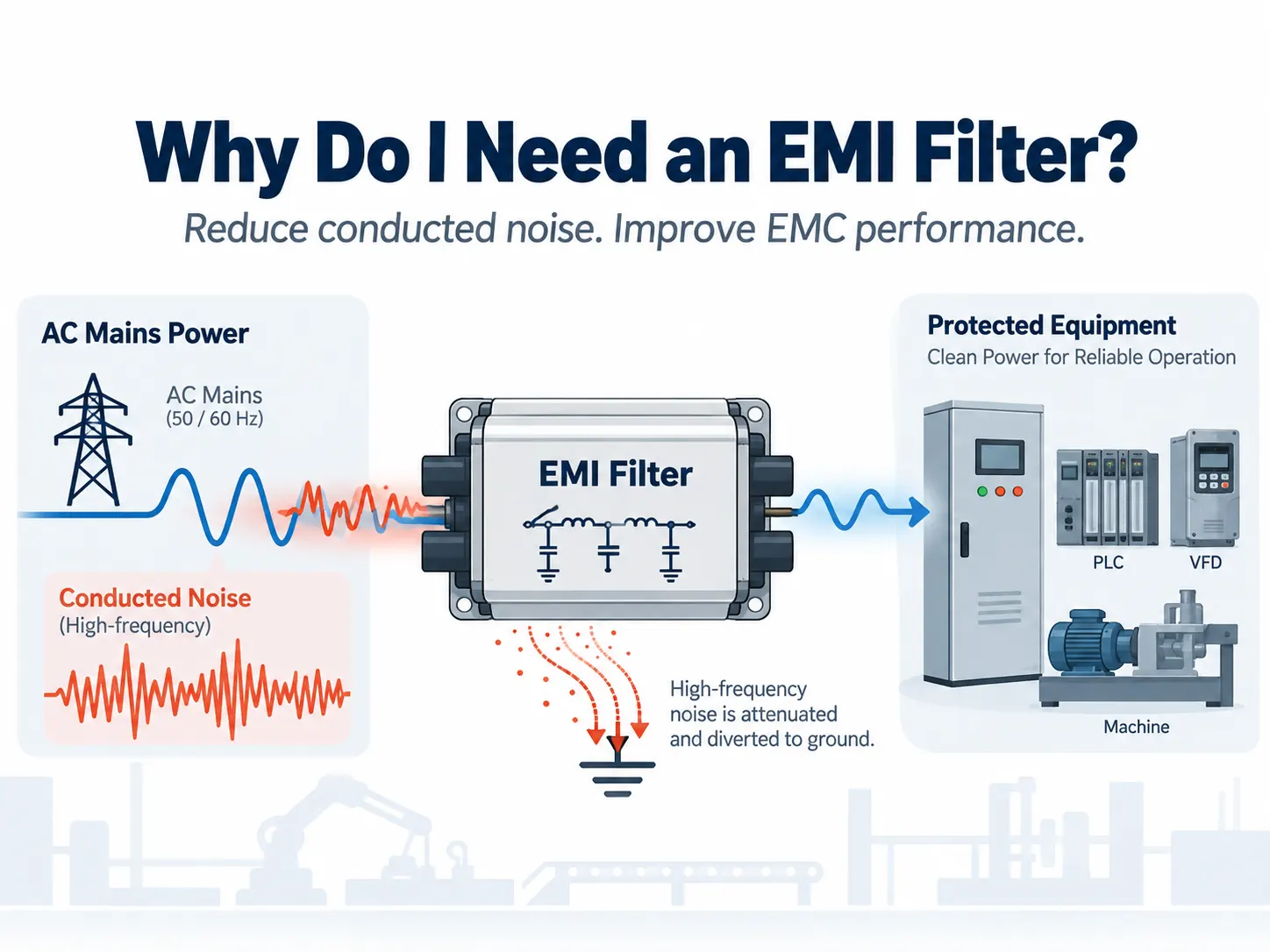
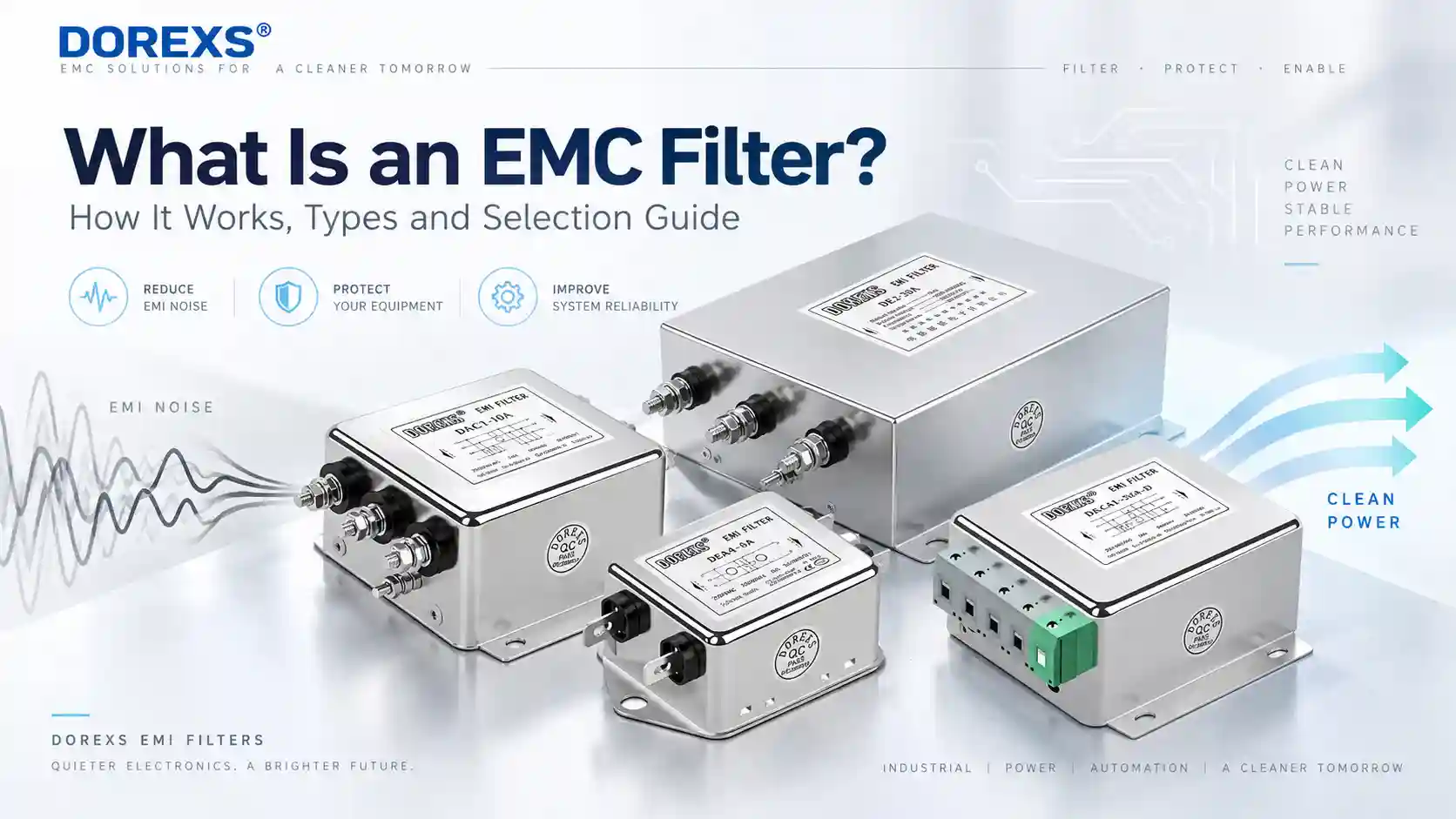
EMC filters are designed primarily to suppress electromagnetic interference (EMI), which can disrupt device operation or affect nearby electronic equipment, potentially causing non-compliance with EMC regulations. They achieve this by filtering high-frequency interference signals and harmonics on power lines to ensure devices operate within permissible EMI limits.
Harmonic Filters: Purpose and Operation
Harmonic filters, on the other hand, address harmonic distortion caused by nonlinear loads such as variable frequency drives and computers. They enhance power quality and increase energy distribution efficiency by mitigating harmonic distortion.
Understanding the Differences
Differentiating between EMC filters and harmonic filters is crucial for selecting the appropriate solution based on specific operational needs and compliance requirements. In this article, we explore their functionalities, applications, and key considerations to help decision-makers effectively manage electrical disturbances and improve system reliability.
EMC Filters: Suppression Techniques and Components
EMC phenomena refer to interference caused by electromagnetic fields generated during the operation of electronic devices, as well as the sensitivity of electronic devices to external electromagnetic fields. EMC filters, also known as EMI filters, suppress electromagnetic interference through specific circuit structures and filtering components that filter high-frequency noise on power lines.
Principles and Components of EMC Filters
EMC filters mainly consist of inductors, capacitors, and resistors. They filter high-frequency noise through specific circuit structures, using the high impedance of inductors to high-frequency noise signals and the low impedance of capacitors to guide high-frequency noise signals into the ground or other grounding paths for effective filtering.
Three Basic Methods for Suppressing Interference Signals: Common Mode, Differential Mode, and Hybrid Mode
EMC filters suppress interference signals through three main methods: common mode, differential mode, and hybrid mode. Common mode interference refers to interference signals between the power line and ground, differential mode interference refers to interference signals between power lines, and hybrid mode interference is a combination of both. By employing different circuit structures and filtering components, EMC filters effectively suppress various modes of interference signals.
Selecting the Right EMC Filter Design and Key Parameters

When selecting an EMC filter design, factors such as the equipment's electromagnetic environment, operating frequency, and noise characteristics should be considered. Key parameters include cutoff frequency, insertion loss, and impedance matching. Careful selection of these parameters ensures that the EMC filter performs effectively and reliably in practical applications.
Considerations for Installation and Layout
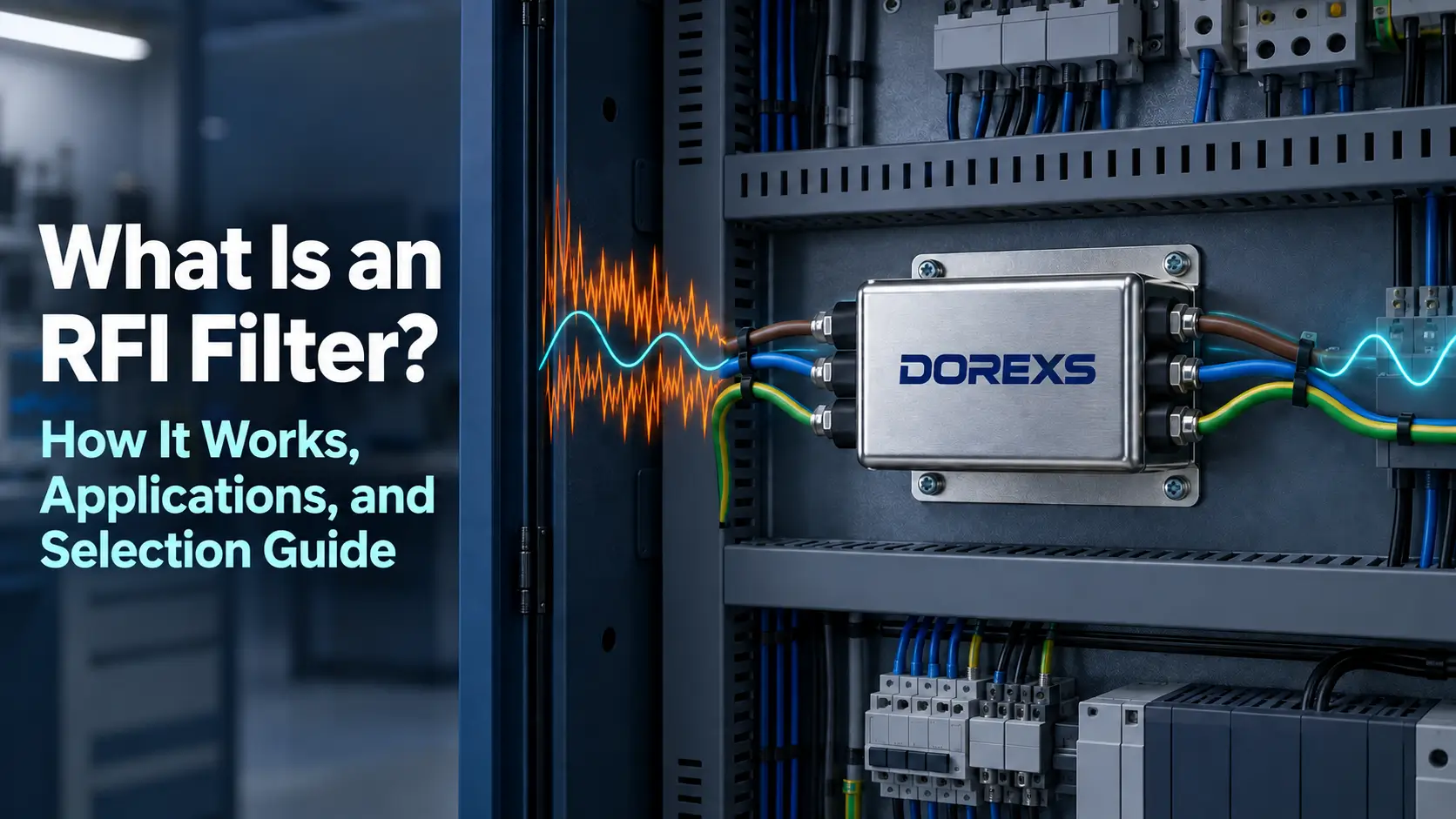
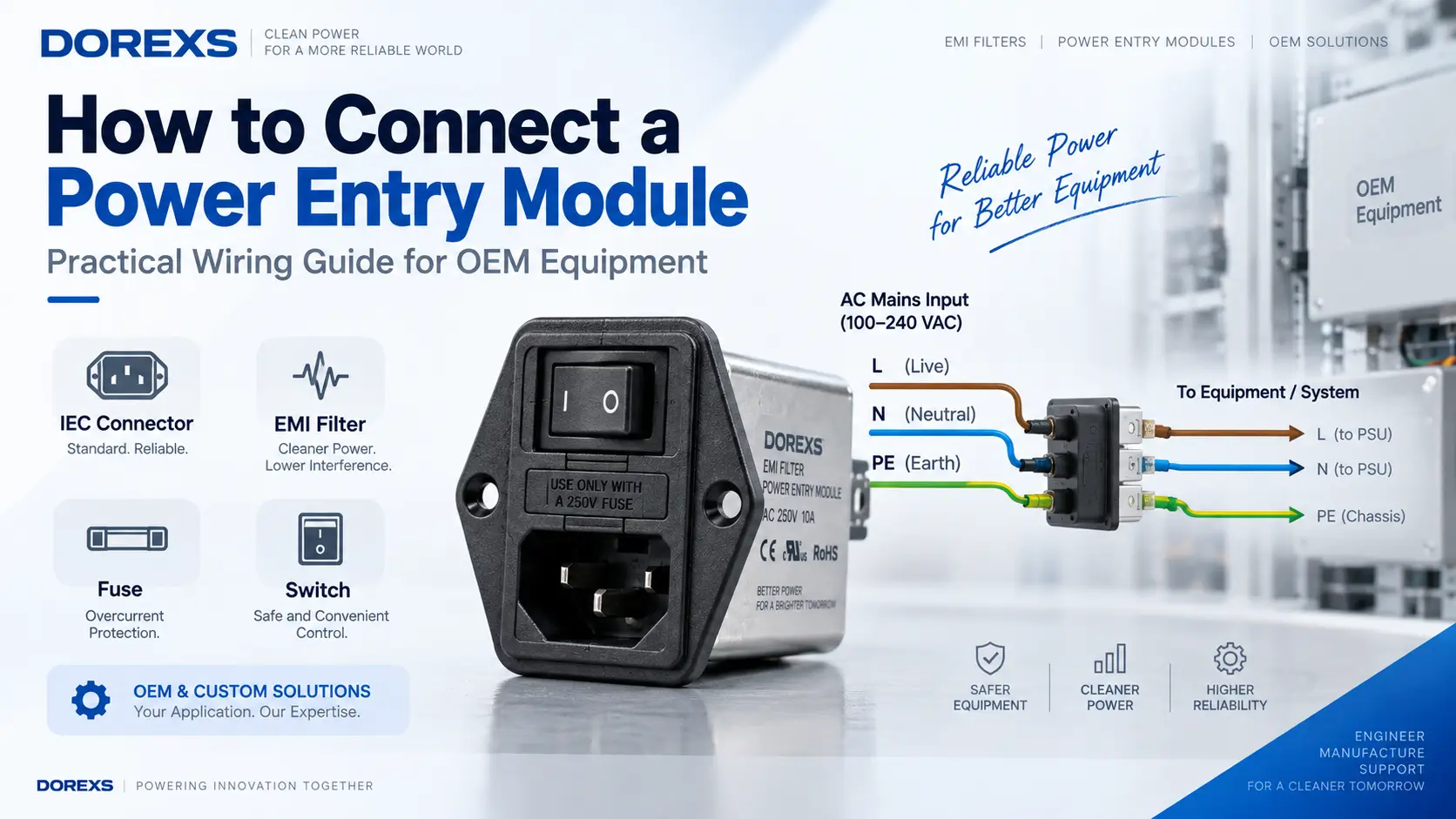
The installation and layout of EMC filters significantly impact their filtering effectiveness. During installation, attention should be paid to the grounding method and connection of power lines to maximize the EMC filter's performance. Proper layout helps minimize electromagnetic interference by avoiding close coupling with other sources of interference.
Practical Application Case Studies (e.g., Automotive Electronic Systems)
EMC filters find wide application in automotive electronic systems due to their complex operational environments and numerous electromagnetic interference sources. Installing EMC filters helps suppress electromagnetic interference, ensuring the reliable operation of automotive electronic systems. Effective application requires selecting suitable EMC filter designs and parameters tailored to the specific characteristics and electromagnetic environment of automotive electronic systems.
Harmonic Filters: Principles and Suppression Techniques
Harmonics are voltage or current components in power systems with frequencies that are integer multiples of the fundamental frequency. They mainly originate from nonlinear loads such as rectifiers and inverters, causing current waveform distortion and power quality degradation.
Definition and Classification of Harmonics
Harmonic generation analysis involves methods such as spectrum analysis, waveform coefficient method, and harmonic impedance method. These methods analyze the voltage-current characteristics of nonlinear loads to determine harmonic content and assess their impact on power systems.
Effects and Hazards of Harmonics
Harmonics adversely affect power systems by increasing losses, causing resonance, shortening equipment life, interfering with communication lines, and affecting the operation of protective relays and automatic devices.
Harmonic Suppression Techniques and Method Selection
Harmonic suppression techniques include active and passive methods. Active techniques alter nonlinear load characteristics to reduce harmonic generation, while passive methods use filters to mitigate harmonics. Selection should consider system parameters, harmonic characteristics, and cost-effectiveness. Passive filters are suitable for low-harmonic systems with stable parameters, while active filters are preferable for high-harmonic systems with variable parameters.
Example Analysis and Application Effect Evaluation
For instance, a factory using numerous variable frequency drives experienced high harmonic levels in its power system. After installing active harmonic filters, harmonic content significantly decreased, enhancing system efficiency and stability.
Power Filters: Types and Applications
Power filters improve power quality by filtering harmonics in power systems. Passive filters use capacitors, inductors, and resonance circuits to filter specific harmonic frequencies, offering cost-effective solutions but sensitive to system parameters. Active filters detect and compensate for harmonics in real-time, ensuring effective harmonic mitigation but at higher costs.

Comparison of Passive and Active Power Filters
Passive filters suit low-harmonic systems with stable parameters, while active filters accommodate high-harmonic systems with variable parameters. Effective application involves selecting the appropriate filter type based on specific system conditions.
Conclusion
In addressing the complexities of modern electrical systems, EMC filters and harmonic filters serve as indispensable tools. Each technology plays a unique role in enhancing system reliability and efficiency against different electrical disturbances. Understanding their functionalities and applications empowers decision-makers to protect their systems, optimize performance, and maintain operational excellence amidst evolving technological challenges.
DOREXS EMI Filters
If you need effective EMI protection or EMC testing, DOREXS can provide you with reliable and durable EMI filters. We provide high-quality EMI filters for military, aerospace and medical applications, as well as cost-effective EMI filters for small home appliances and industrial uses. If you need an EMI filter with special custom requirements, our team of experts can design an EMI suppression filter to meet your specific requirements.

With 15 years of EMI experience, DOREXS is a trusted manufacturer of high-quality EMI filters for medical, military, commercial and residential applications. All of our EMI filters comply with industry standards and EMC regulations. Explore our selection of EMI filters or submit a custom quote request to get the perfect EMI filter for your needs.
For more information on DOREXS custom and standard EMI filters, please contact us!
EMI Interference Noise Rectification Case: Elevator Frequency Conversion System
EMI Filter Circuit Basics