What is a DC EMI Filter
DC EMI filter is a filter used in DC circuits. Its main function is to reduce or eliminate electromagnetic interference in the circuit. These EMI filters are designed for DC power supply systems to suppress high-frequency noise and electromagnetic waves and ensure the stability and purity of DC power supply. Different industries have different requirements for DC EMI filtering. Only by choosing a suitable EMI filter can the impact of EMI be reduced more effectively.
To ensure system stability and performance, it is essential to implement all necessary filters and protection strategies. While a DC EMI filter is needed on the input side to manage conducted emissions, an AC EMI filter is required on the output side to ensure signal purity and compliance with utility requirements.
Introduction to EMI Filter
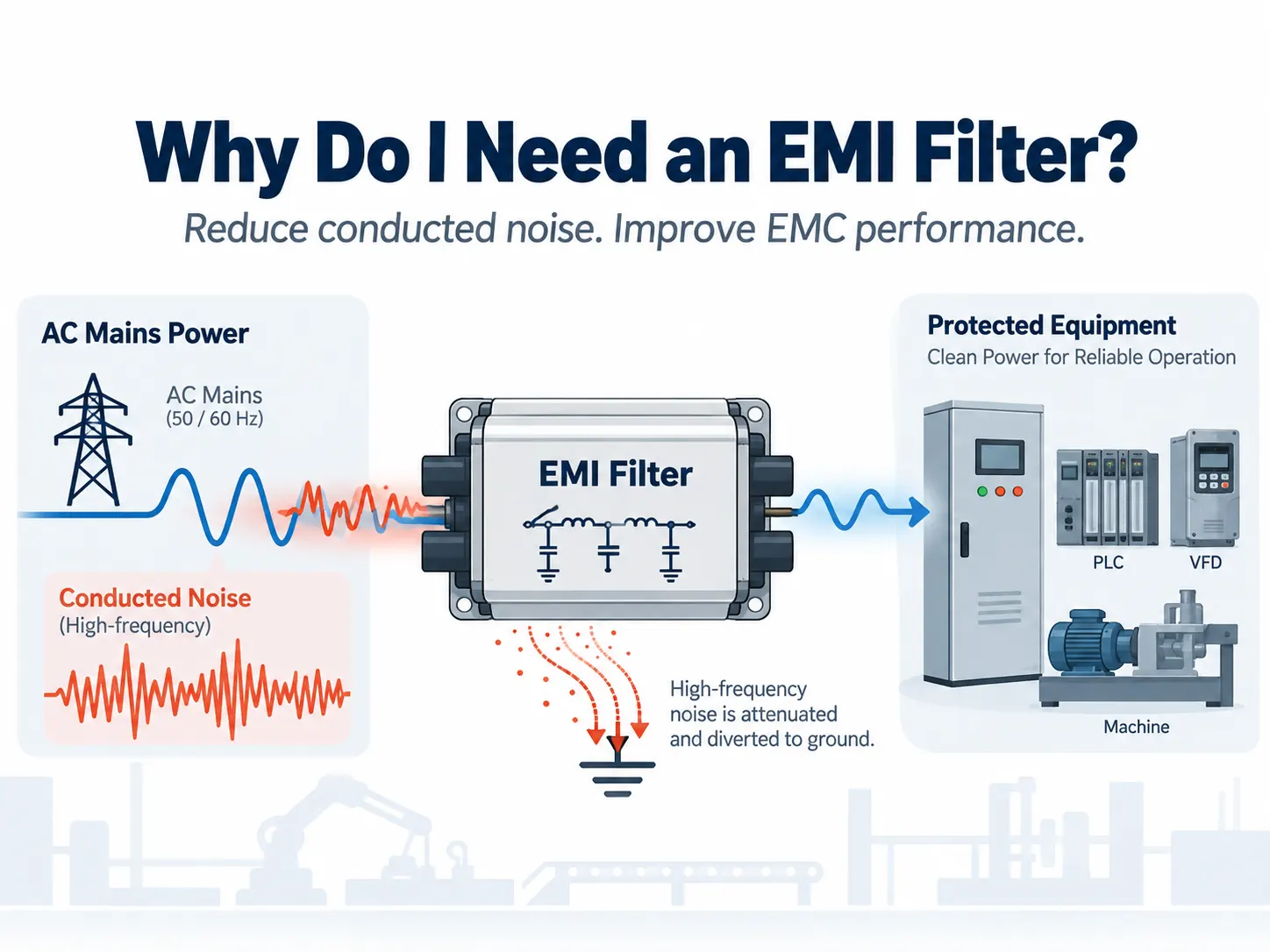
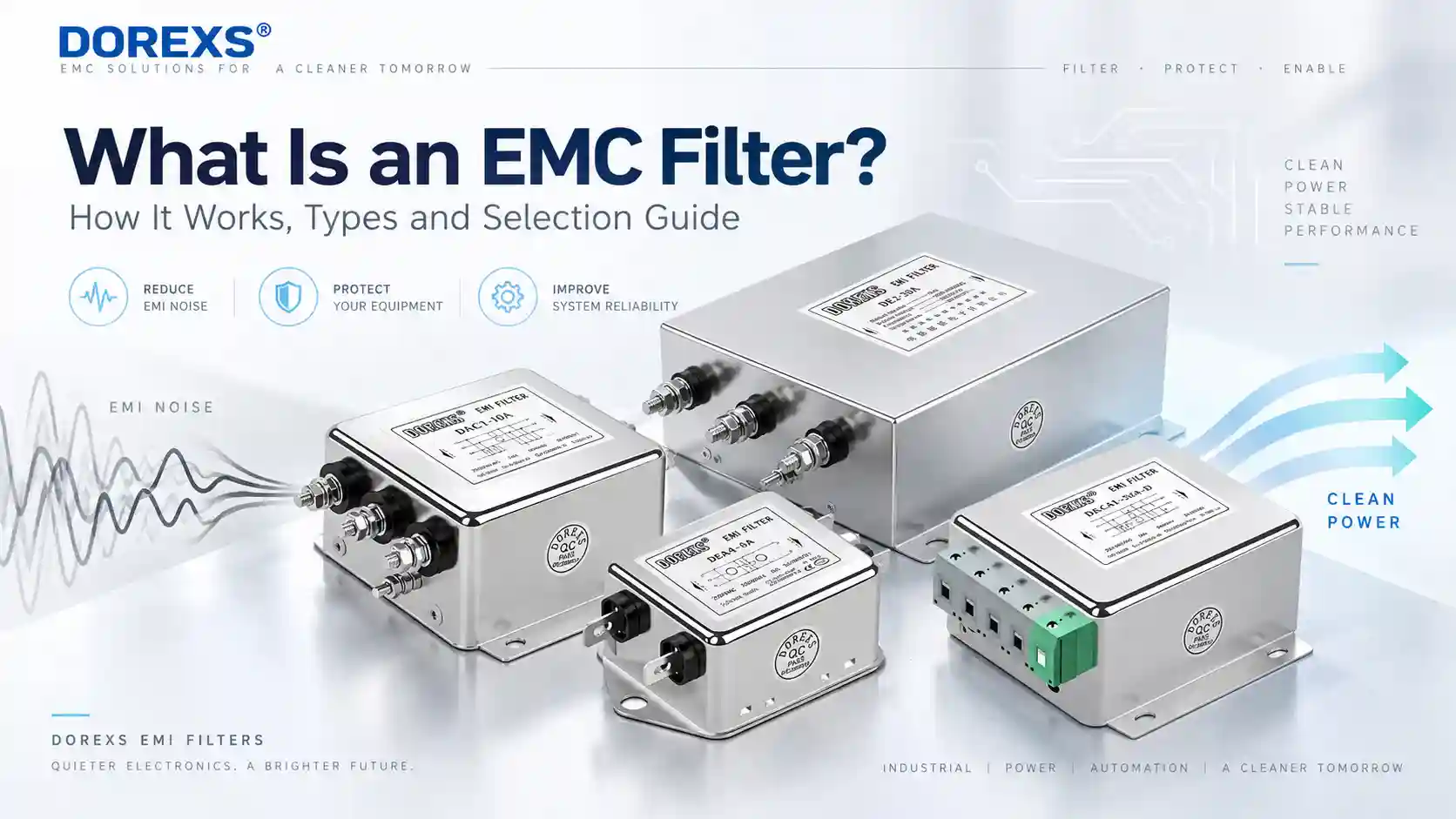
An EMI filter, also known as an electromagnetic interference filter, is an electronic device designed to suppress electromagnetic interference (EMI) in electronic devices. These filters are crucial in preventing electromagnetic radiation from affecting the performance of electronic devices, ensuring reliable operation and improved performance. EMI filters are commonly used in applications where electromagnetic compatibility (EMC) is critical, such as in medical equipment, aerospace, and automotive industries. They can be categorized into different types, including common-mode filters, differential-mode filters, and hybrid filters, each designed to address specific types of electromagnetic interference. By effectively reducing EMI, these filters help maintain the integrity and functionality of sensitive electronic systems.
Understanding Electromagnetic Noise
Electromagnetic noise, also known as electromagnetic interference (EMI), occurs when unwanted electric currents interrupt the intended currents an electronic device is supposed to receive. This disruptive noise can originate from various sources, including power lines, electrical circuits, and other electronic devices. EMI can be categorized into two types: conducted EMI and radiated EMI. Conducted EMI travels through conductors, such as wires or power lines, while radiated EMI propagates through the air and does not require a conductor. Understanding the sources and types of electromagnetic noise is crucial in designing effective EMI filters to mitigate its effects on electronic devices. By identifying and addressing these noise sources, engineers can ensure the reliable operation of electronic systems and prevent potential malfunctions.
Basic principles of DC filters
Use components such as inductors, capacitors, and resistors to build a circuit that can absorb and filter high-frequency noise. The circuit layout is crucial in managing electromagnetic interference (EMI) within DC power supplies, as the arrangement of components significantly influences EMI levels. This design helps ensure the stability of the DC power supply and prevents interference from spreading to other parts. The inductor stores energy, and the capacitor works together to suppress high-frequency noise by storing and releasing charge while maintaining system integrity.

How DC EMI Filters Work
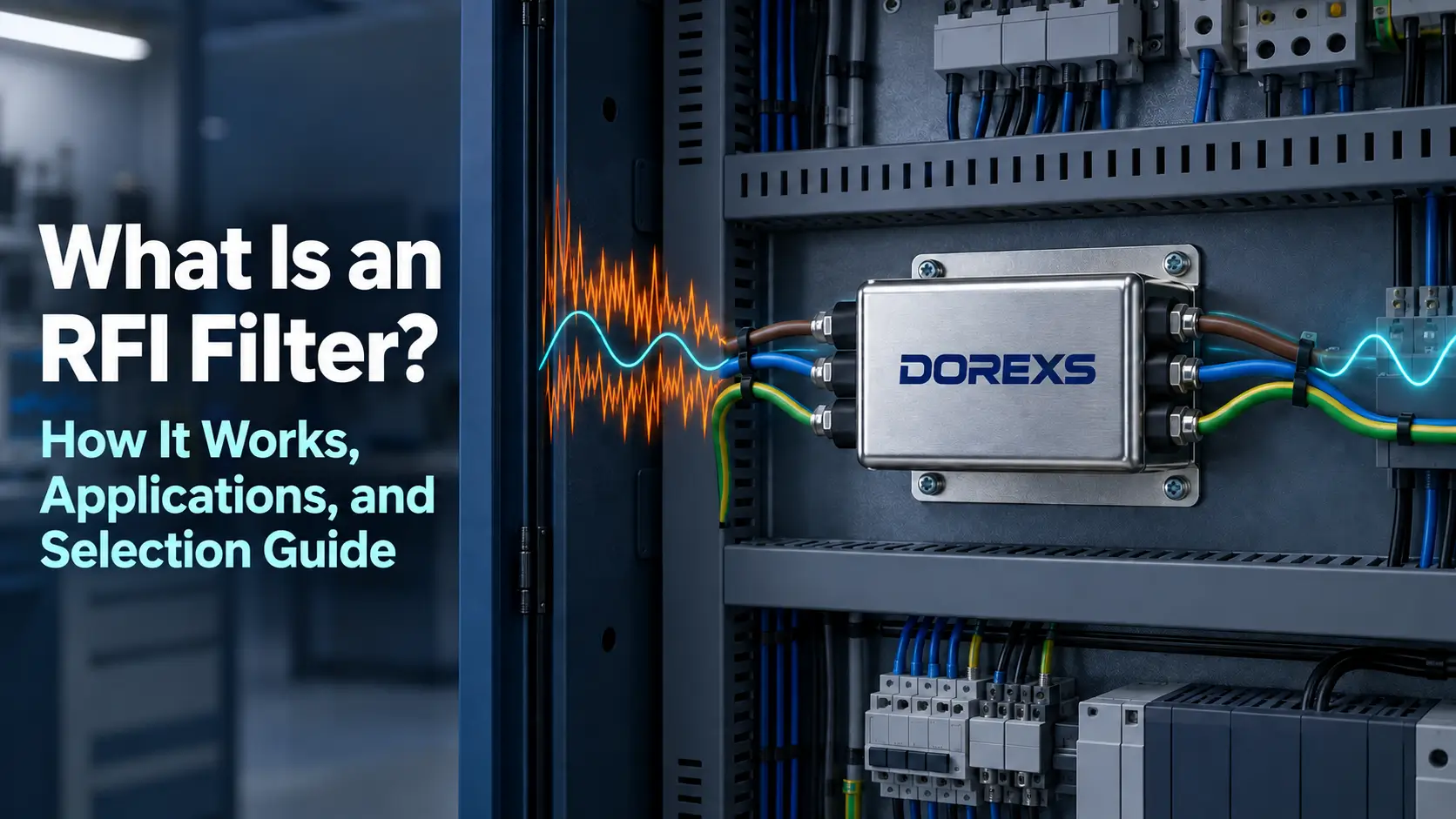
DC EMI filters are designed to reduce electromagnetic interference in DC power systems. They work by suppressing high-frequency noise and preventing it from entering the DC power supply. Typically, DC EMI filters consist of a combination of passive components, such as capacitors and inductors, which block EMI and allow the DC voltage to flow freely. The filter is usually installed at the power entry point of the equipment, providing a low impedance path to ground for the noise currents. By reducing electromagnetic interference, DC EMI filters ensure reliable operation of electronic devices and prevent damage from power surges and other electrical disturbances. This noise suppression is essential for maintaining the stability and performance of DC power supplies in various applications.
DC Filter Design and Considerations
DC filter design involves careful consideration of several factors, including the type of electromagnetic interference, the frequency range, and the level of attenuation required. DC filters can be designed using various techniques, including lumped-element filters, distributed-element filters, and planar filters. The selection of components, such as capacitors and inductors, is critical in determining the effectiveness of the filter. Additionally, the filter’s layout and configuration, including the use of common-mode chokes and low-pass filters, can significantly impact its performance. DC filter design must also take into account the specific application, including the type of equipment, the power supply, and the operating environment, to ensure reliable operation and compliance with regulatory requirements. By addressing these considerations, engineers can create effective DC filters that enhance the performance and reliability of electronic systems.
DC Filter Design and Considerations
DC filter design depends on the specific application requirements. Factors to consider with a filter include the desired filtering frequency range, current capacity, voltage rating, and system-specific requirements. DC EMI filters manage dc voltages and low frequency currents to ensure device functionality by allowing low-frequency currents to pass while blocking higher harmful frequencies. This flexibility allows DC filters to be adapted to a variety of application scenarios.
Compared to other designs, LC filters are more effective than simple RC configurations for certain applications. Visible light, especially blue light, can affect the stability of some electronic components, so it is important to consider its impact. DC filters are also evaluated based on key metrics such as noise reduction and system stability. Filter Design and Considerations: DC filter design depends on the specific requirements of the application. Factors to consider with a filter include the desired filtering frequency range, current capacity, voltage rating, and specific system requirements. The importance of low voltage drop in filter designs is crucial for effective EMI filtering, as it minimizes signal impact and enhances overall efficiency. This flexibility allows DC filters to be adapted to a variety of application scenarios. Currently, commercially available filters offer a wide range of options for different needs.
Compared to other designs, LC filters are more effective than simple RC configurations for certain applications. Visible light, especially blue light, can affect the stability of some electronic components, so it is important to consider its impact. DC filters are also evaluated based on key metrics such as noise reduction and system stability. Filter Design and Considerations: DC filter design depends on the specific requirements of the application. Factors to consider with a filter include the desired filtering frequency range, current capacity, voltage rating, and specific system requirements. The importance of low voltage drop in filter designs is crucial for effective EMI filtering, as it minimizes signal impact and enhances overall efficiency. This flexibility allows DC filters to be adapted to a variety of application scenarios. Currently, commercially available filters offer a wide range of options for different needs.
Advantages of DC EMI Filters
- Electromagnetic interference suppression
- Prevent the spread of electromagnetic waves
- Maintain power supply stability
- Maintain system reliability
- Improved device performance
- Comply with regulatory standards
- Simplify design
- In addition, studies have shown that these filters improve energy efficiency
- Help devices operate correctly in environments with electromagnetic interference
The change in system performance when implementing these filters is significant, improving stability and reducing noise.
DC EMI filters are also crucial to overall system health, ensuring uninterrupted operation.
DC EMI filters are also crucial to overall system health, ensuring uninterrupted operation.
Classification of DC EMI filters
DC filters can be divided into several categories based on their working principles and design features. The following are some common DC EMI filter classifications:
Inductor filter:
Inductor filter:
- Working principle: Inductor filters filter out electromagnetic interference by using coils (inductors) to block high-frequency currents.
- Application: Usually used in DC power lines, it can effectively reduce high-frequency noise in the line.
Since inductors are essential for blocking high-frequency currents, their correct implementation is crucial.
Capacitor filter:
- Working principle: The capacitor filter uses the characteristics of the capacitor to filter out high-frequency noise by storing and releasing charges.
- Application: Commonly found in DC power lines, capable of absorbing high-frequency noise in the power supply.
Since then, capacitor filter technology has advanced significantly, improving its effectiveness.
RC filter:
- Working principle: RC filter combines resistance (R) and capacitance (C). By adjusting the values of resistance and capacitance, the filtering effect on specific frequencies is achieved.
- Application: RC filters can be designed as needed to adapt to filtering in different frequency ranges.
RC filters, which are effective in a variety of applications, offer design flexibility.
LC filter:
- Working principle: The LC filter combines an inductor (L) and a capacitor (C). By adjusting the values of the inductor and capacitor, the filtering effect at a specific frequency is achieved.
- Application: Similar to RC filter, but more commonly used for filtering high-frequency noise.
In a filtering system, LC filters are preferred for their ability to handle high frequencies.
Pi type filter:
- Working principle: Pi-type filter is an inductor-capacitor network with the characteristics of LC filter. It achieves the filtering effect by inserting inductors and capacitors into the power supply line.
- Application: Often used in DC power lines, it has a good suppression effect on high-frequency noise.
Pi-type filters, which are widely used, offer excellent noise suppression.
Application of DC EMI filtering
- DC power input module
- DC motor drive system
- communication device
- medical equipment
- Industrial control system
- Automotive electronic systems
- Solar industry
- charging station
- industrial equipment
- information technology equipment
As a key component in electronic systems, DC EMI filters play an irreplaceable role in ensuring power supply stability, improving system performance, and complying with regulatory standards. DC EMI filters are crucial in protecting electrical systems from electromagnetic noise.Its advantages in electromagnetic compatibility and system reliability make it an essential tool in various application scenarios, providing stable and reliable power support for modern electronic equipment. In the future, with the development of technology, DC EMI filters will continue to play an important role in the electronic field..

Helping you choose the right DC EMI filter solution
When an electronic or power system requires EMI filters to play a critical role, it is crucial to consult a professional engineer to provide the most suitable EMI filter size and model. The attachment point is significant in effectively blocking electromagnetic interference, as adding shields at this point can enhance protection against EMI.As a professional component manufacturer with extensive experience in EMI filters, DOREXS can help. We produce various high-reliability AC filters, DC filters, and customized professional filters. We provide the right filters to help you meet regulatory requirements.
Contact us for more details.
Contact us for more details.
The importance of EMI power line filter installation
Military Grade EMI Filters: EMC Filters on Military Products