What is EMI Suppression Filter
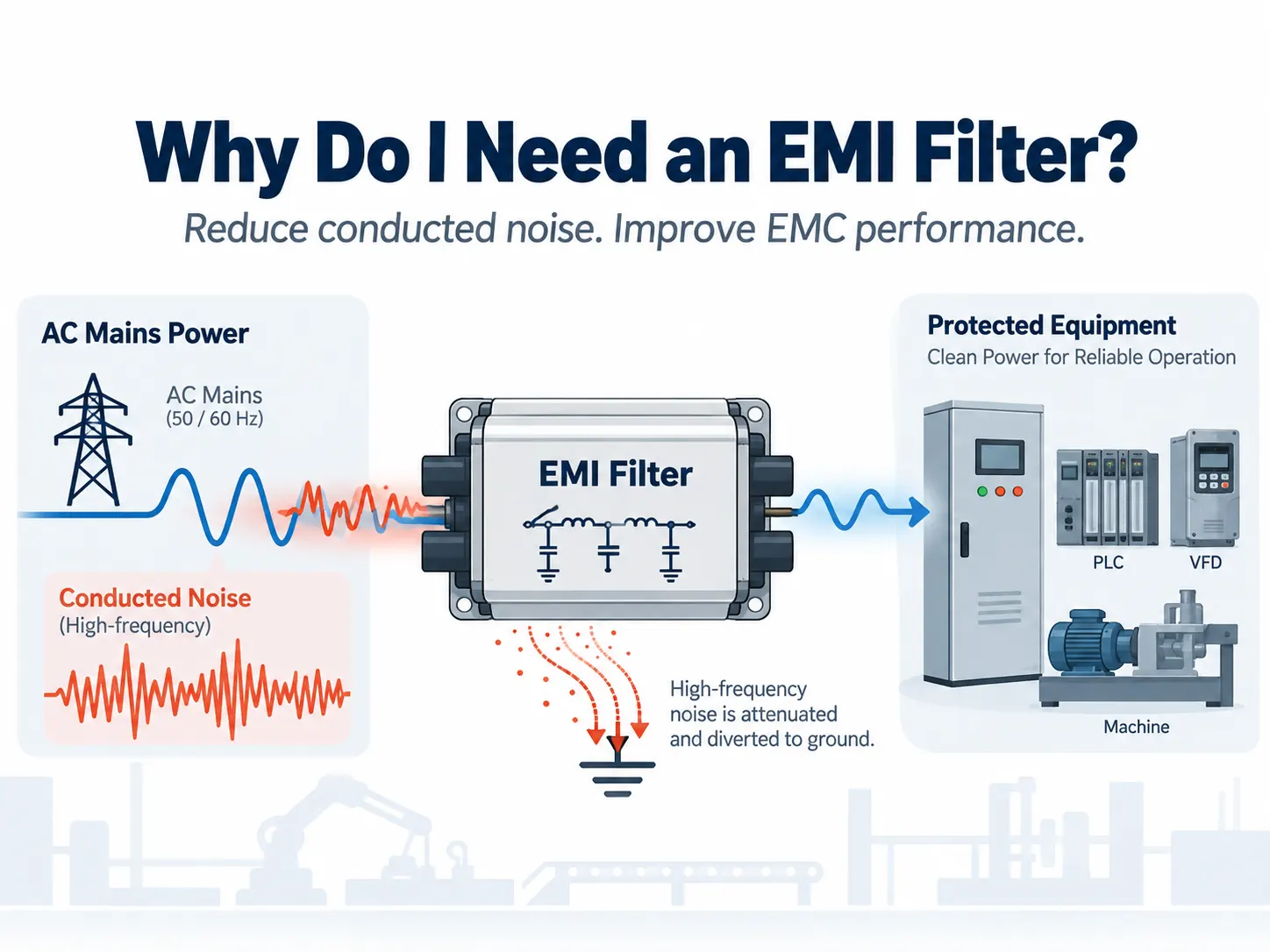
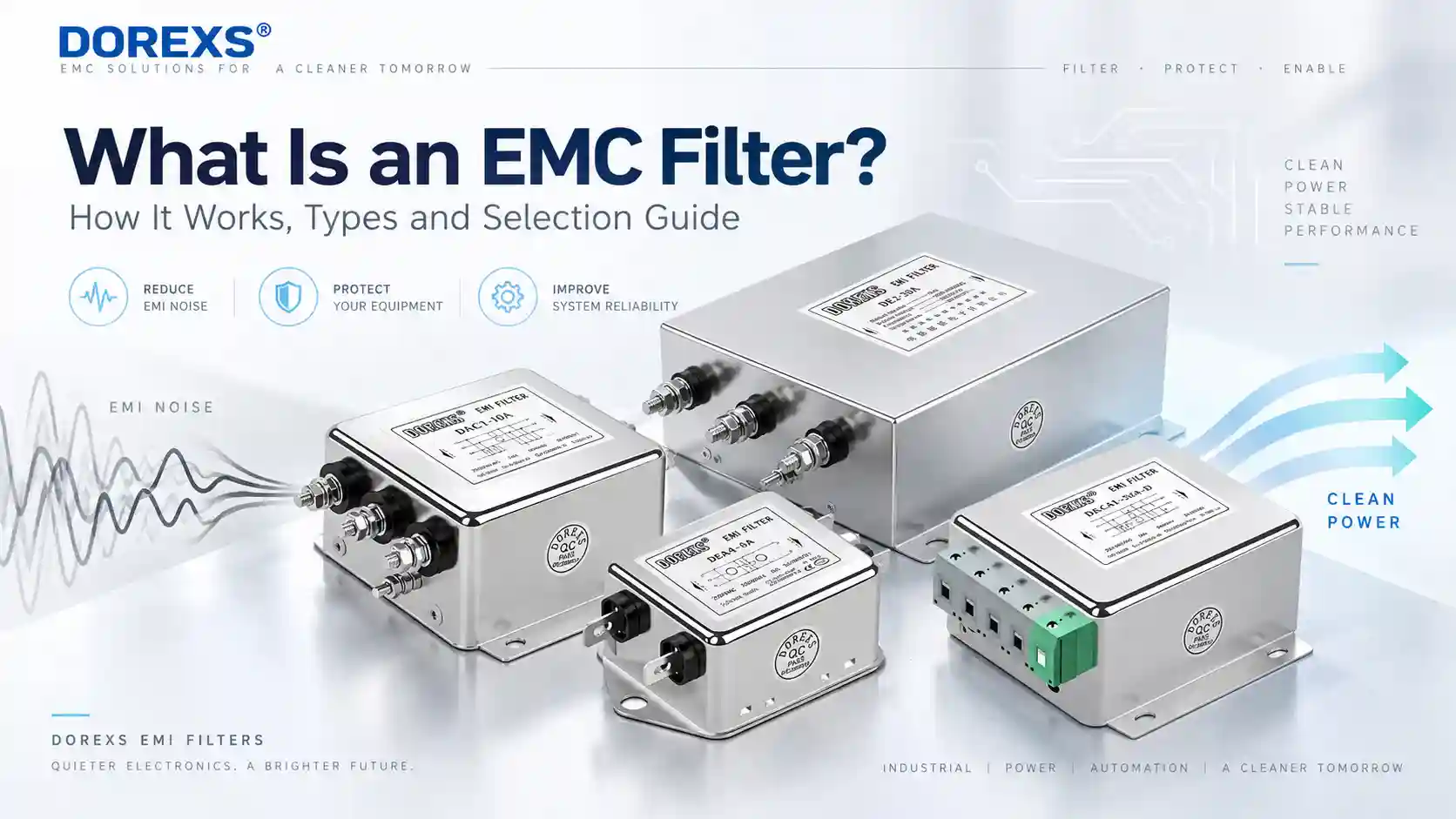
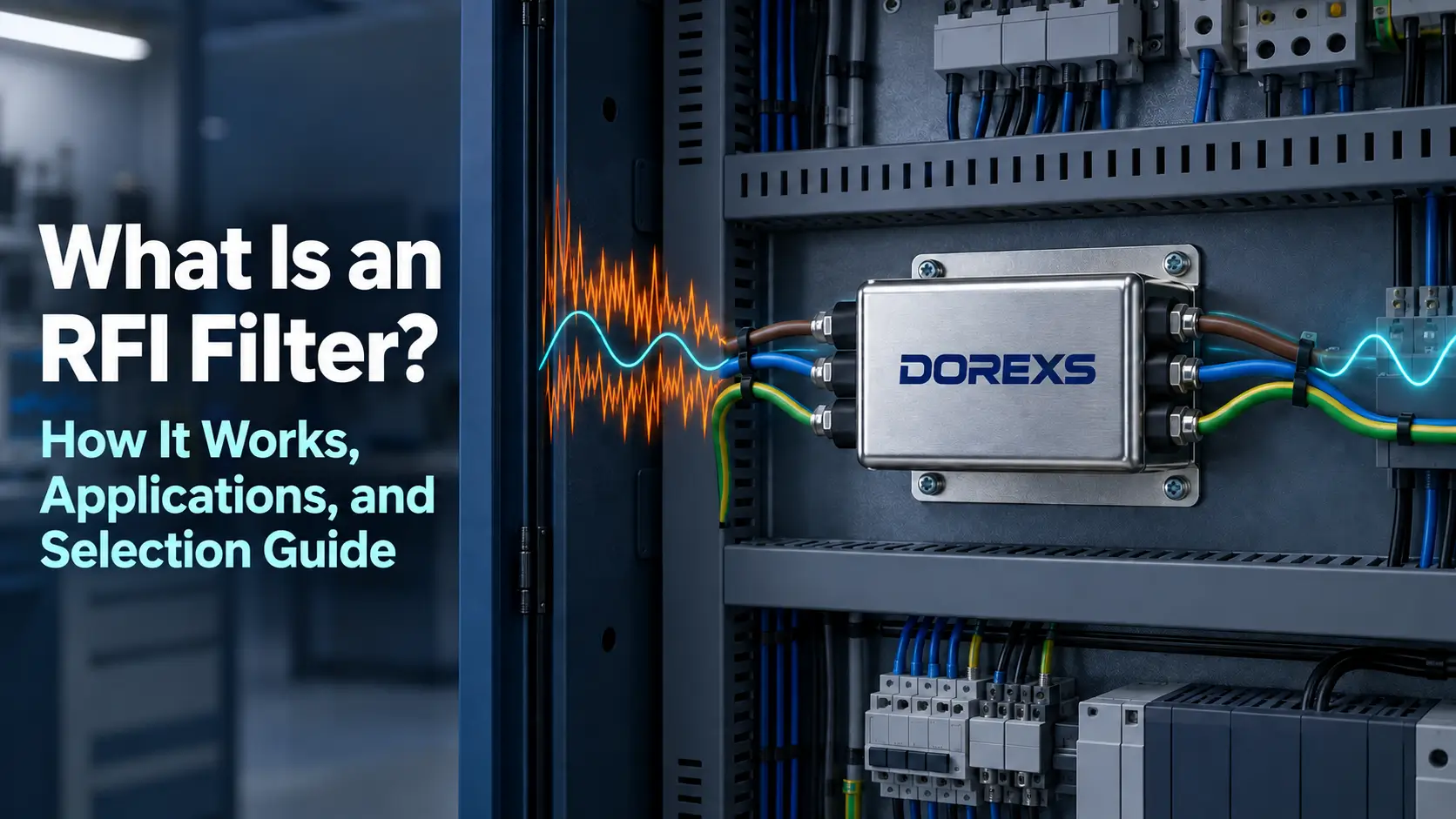
As modern electronic equipment becomes more advanced, various circuits and signals become more complex. In this environment, electromagnetic interference (EMI) has become a serious problem. EMI causes noise interference in electronic devices, leading to performance degradation. In order to ensure the normal operation of equipment and improve its reliability, EMI suppression filters have emerged. These filters are also known as electromagnetic interference filters. An EMI suppression filter is an electronic component that provides electromagnetic noise suppression for electronic equipment and is used in conjunction with shielding and other protective devices. This filter extracts and removes only the components that may produce electromagnetic noise from the current conducted through the wiring. This helps in suppressing unwanted currents.
Principle of EMI suppression filter
EMI suppression filters usually consist of a low-pass filter circuit composed of capacitors and inductors. Through this circuit design, specific frequency components in electromagnetic signals are selectively blocked or absorbed, thereby reducing interference to equipment. Through reasonable layout and parameter settings, effective suppression of EMI at different frequencies is achieved. EMI interference signals are generally divided into differential mode and common mode, so the EMI suppression filter must attenuate both interference signals. The specific working principle is:
1. Utilize the characteristics of capacitors to pass high frequency and isolate low frequency, and introduce high-frequency interference current into the ground wire (common mode) or live wire (differential mode).
2. Utilize the impedance characteristics of the inductor coil to reflect high-frequency interference current back to the interference source.
3. Use interference suppression ferrite to absorb and convert interference signals in specific frequency bands into heat.
1. Utilize the characteristics of capacitors to pass high frequency and isolate low frequency, and introduce high-frequency interference current into the ground wire (common mode) or live wire (differential mode).
2. Utilize the impedance characteristics of the inductor coil to reflect high-frequency interference current back to the interference source.
3. Use interference suppression ferrite to absorb and convert interference signals in specific frequency bands into heat.

The role of EMI suppression filter
1. Ensure electromagnetic compatibility (EMC)
2. Protect sensitive electronic components
3. Improve signal integrity
4. Enhance device performance
2. Protect sensitive electronic components
3. Improve signal integrity
4. Enhance device performance
Introduction to EMI Suppression
Electromagnetic interference (EMI) is a significant concern in the design and development of electronic devices. EMI suppression filters, also known as EMI filters, are used to suppress electromagnetic noise and prevent it from affecting the performance of electronic devices. These filters are essential in ensuring electromagnetic compatibility (EMC) and preventing unwanted electric currents from disrupting the operation of electronic devices. EMI suppression filters are used in a wide range of applications, including power supplies, medical equipment, and industrial equipment. By integrating these filters, manufacturers can ensure that their products operate reliably and meet stringent EMC standards.
Understanding Electromagnetic Noise
Electromagnetic noise, also known as electromagnetic interference (EMI), is a type of noise that can disrupt the operation of electronic devices. It is caused by external electromagnetic waves, such as radio transmissions, and can also be generated by the device itself. Electromagnetic noise can be classified into two types: conducted EMI and radiated EMI. Conducted EMI occurs when unwanted electric currents flow through power lines or other conductors, while radiated EMI occurs when electromagnetic waves are transmitted through the air. EMI filters are designed to suppress both types of electromagnetic noise and ensure that electronic devices operate correctly. By blocking or absorbing these unwanted signals, EMI filters help maintain the integrity and performance of electronic systems.
Classification of EMI suppression filters
EMI (electromagnetic interference) suppression filters can be divided into many different types according to their working principles, structures and application fields. A few types of EMI filters include power line filters, signal line filters, and radiation suppression filters, each with specific applications in various industries. Other circuits within an electronic system can interfere with each other, leading to EMI. The following is a classification of common EMI suppression filters:
1. Conductive filter:power line filter、signal line filter
2. Radiation filter:radiation suppression filter、radiation suppression cover
3. Differential mode/common mode filter:differential mode filter、common mode filter
4. Magnetic filter
5. Hybrid filter
6. Digital filter
2. Radiation filter:radiation suppression filter、radiation suppression cover
3. Differential mode/common mode filter:differential mode filter、common mode filter
4. Magnetic filter
5. Hybrid filter
6. Digital filter
EMI suppression filters can be classified according to different performance, structure, application scenarios and other characteristics. Only by selecting corresponding EMI filters for different industries and scenarios can the best filtering effect be achieved. It can be seen that choosing the correct EMI filter is particularly important. Often It can achieve twice the result with half the effort.
Application scope of EMI suppression filter
EMI filters are widely used in various industries, including medical devices, aerospace, home appliances, automobiles, and industrial control systems. They are used to protect sensitive equipment (such as medical devices) from electromagnetic interference and ensure reliable operation of electronic equipment. EMI filters are also used in power supplies (such as switching power supplies) to suppress electromagnetic noise and prevent it from affecting device performance. In addition, EMI filters are also used in electronic equipment (such as washing machines) to prevent electromagnetic interference and ensure their normal operation. By integrating EMI filters (such as DOREXS DBA4-Y), EMI manufacturers can improve the performance and reliability of their products in different applications. The following are some common application areas, including but not limited to:
- Power supply: used to eliminate high-frequency noise in the power supply and ensure the stability of the power output.
- Communication equipment: In wireless communication and wired communication equipment, it is used to reduce signal interference and improve communication quality.
- Industrial automation: In industrial control systems, it is used to ensure the normal operation of various sensors and actuators.
- Medical equipment: In medical instruments, it is used to prevent interference between equipment, ensure accurate measurement and diagnosis results, and protect patient safety.
- Military equipment: Various departments and equipment in the military require specific types of filters.
- Commercial: Many countries have specific regulatory standards to prevent interference, specifying the approved type and amount of EMI that a device can produce.
In summary, EMI suppression filters are used in a wide range of industries. When using EMI filters, equipment can be made to comply with EMC regulations, such as FCC and MIL-STD-461, IEC 60601-1-2, and EMC Directive 2014/30/ EU, FDA, etc.
The importance of EMI suppression filters in the electronic field
- Improve product quality: By using EMI suppression filters, the quality and reliability of electronic products are improved, thereby meeting users' needs for high-quality products.
- Comply with regulatory requirements: Under the requirements of international and domestic regulations, the use of EMI suppression filters helps ensure that products comply with electromagnetic compatibility standards and avoid electromagnetic pollution.
- Reduce maintenance costs: By introducing EMI suppression filters during the design stage, you can reduce equipment maintenance costs and reduce failures caused by electromagnetic interference.
Safety Considerations
EMI filters are essential in ensuring the safety of electronic devices and preventing electromagnetic interference from causing harm to people or equipment. They are designed to suppress electromagnetic noise and prevent it from disrupting the operation of sensitive equipment, such as medical devices. EMI filters are also used to prevent electromagnetic interference from causing fires or other safety hazards. In addition, EMI filters are used to ensure that electronic devices comply with regulatory requirements, such as those set by the FCC and CE. By adhering to these standards, manufacturers can avoid potential legal issues and ensure the safety and reliability of their products.
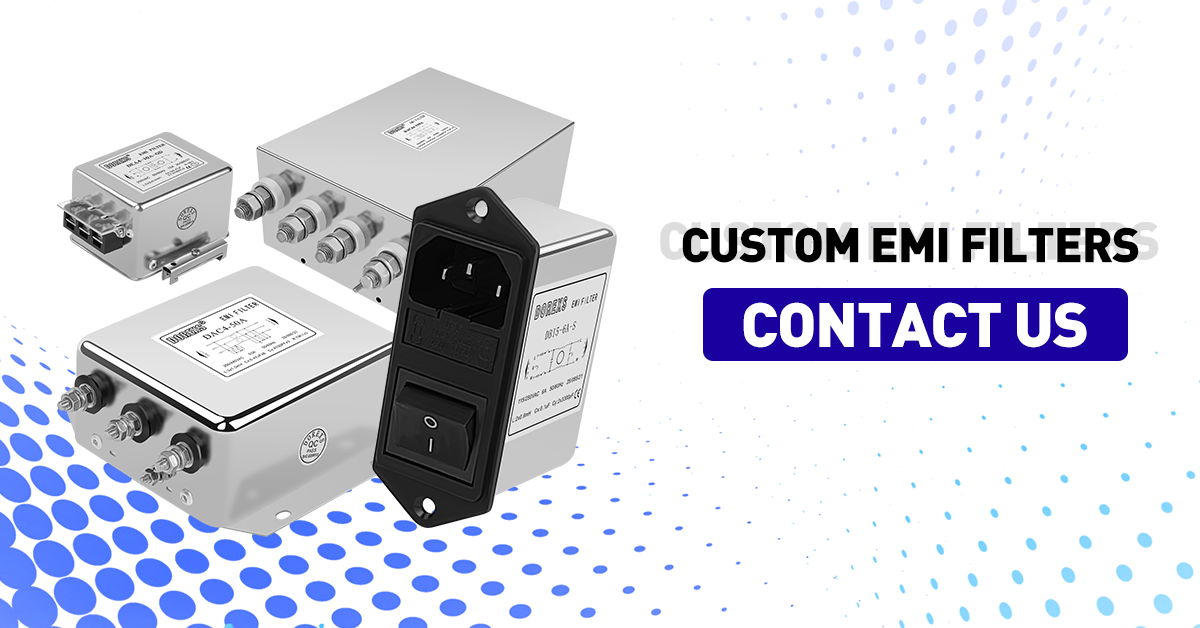
Customized exclusive EMI filter
Benefits and Advantages
The use of EMI filters has several benefits and advantages, including improved electromagnetic compatibility (EMC), reduced electromagnetic radiation, and increased reliability. EMI filters help to prevent electromagnetic interference and ensure that electronic devices operate within regulatory limits. They also help to reduce maintenance and repair costs by preventing electromagnetic interference from causing damage to equipment. In addition, EMI filters are used to improve the performance of electronic devices and ensure that they operate correctly. Overall, EMI filters are an essential component in the design and development of electronic devices, and their use has numerous benefits and advantages. By integrating EMI filters, manufacturers can enhance the quality, reliability, and safety of their products, ensuring they meet the needs of their customers and comply with industry standards.
Contact DOREXS for best-in-class EMI solutions
DOREXS has many years of experience in EMI filter manufacturing and is proficient in the application of EMI filters in medical, commercial, industrial, military and other fields.
Moreover, DOREXS has multiple product certifications, including UL, CE, ISO9001, ROHS and other certifications, which meet the technical requirements of European and American countries.
Contact us to learn more about EMI filters
Contact the DOREXS Team! ! !
Moreover, DOREXS has multiple product certifications, including UL, CE, ISO9001, ROHS and other certifications, which meet the technical requirements of European and American countries.
Contact us to learn more about EMI filters
Contact the DOREXS Team! ! !
Solution for EMC Problem of EV AC Charging Pole
What is the Purpose of EMI Filters