Best EMI Filter for LED Light: Enhance Performance & Reduce Interference
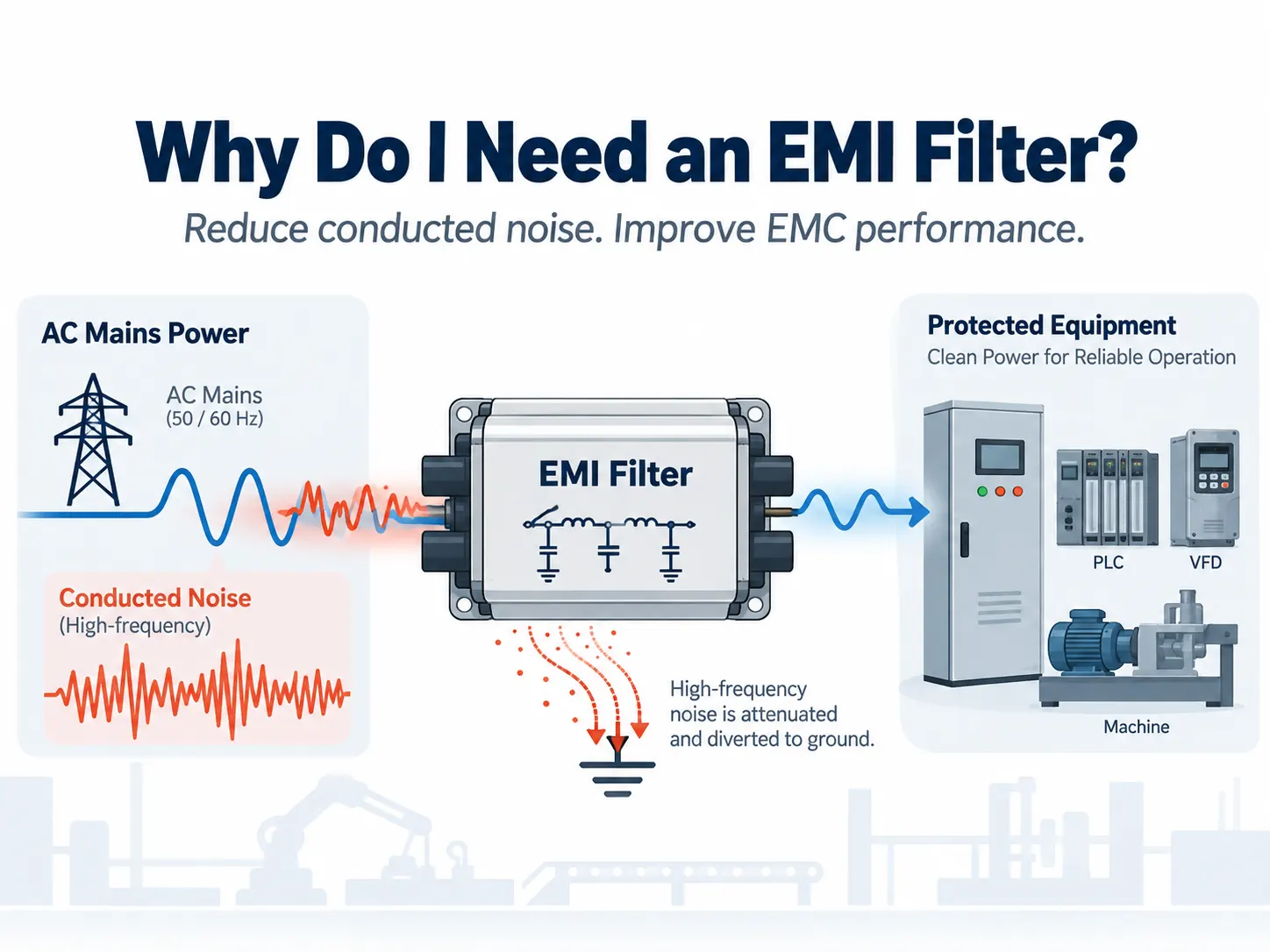
Electromagnetic interference (EMI) can make your LED lights flicker and reduce their efficiency. Using an EMI filter for LED light is essential to reduce this interference. This article will explain how these filters work, why they are crucial, and how to choose the right one to keep your LED lights running smoothly.
Key Takeaways
- Electromagnetic interference (EMI) in LED lighting primarily arises from switching processes in power supplies and drivers, significantly affecting performance and compliance.
- Selecting the right EMI filter, along with proper installation and understanding of specifications, is essential for minimizing interference and enhancing LED lighting system efficiency.
- Practical solutions such as ferrite beads, shielding techniques, and active harmonic suppression effectively reduce EMI in LED lighting systems, ensuring optimal performance.
Understanding EMI in LED Lighting

Electromagnetic interference (EMI) is an unwelcome guest in LED lighting systems, often sneaking in through the very components designed to power these lights. The generation of EMI in LED lights is primarily linked to the switching processes in power supplies and drivers. This interference can wreak havoc on the performance of LED lights, leading to issues like flickering, reduced efficiency, and even non-compliance with regulatory standards.
Understanding the sources of EMI and its impact on LED performance is crucial. We’ll explore the origins of EMI in LED lights and the challenges it poses to their efficiency.
Sources of EMI in LED Lights
The primary culprits behind EMI in LED lights are:
-
The power supplies and pulsing circuits within LED drivers.
-
AC-DC power supplies, which are significant contributors to EMI due to their internal switching mechanisms that can introduce electrical noise.
-
Pulse Width Modulation (PWM), commonly used in LED drivers for dimming, which can create significant harmonic emissions, leading to interference.
Furthermore, high-frequency pulses used for dimming LEDs can produce EMI in the gigahertz range, affecting nearby electronic devices. Understanding these sources of
EMI is the first step towards mitigating their impact on LED lighting systems.
Impact of EMI on LED Performance
EMI can significantly affect the performance and efficiency of LED lights. High emissions from the power supply, especially when using off-the-shelf drivers, can lead to compliance issues and degraded performance. Radiated emissions from the LED driver can be particularly challenging, as they need to be reduced to meet regulatory standards.
Optimizing LED performance and ensuring compliance with safety standards requires addressing EMI challenges. Effective EMI management enhances the reliability and efficiency of LED lighting systems, avoiding operational issues and ensuring a smooth lighting experience.
Optimizing LED performance and ensuring compliance with safety standards requires addressing EMI challenges. Effective EMI management enhances the reliability and efficiency of LED lighting systems, avoiding operational issues and ensuring a smooth lighting experience.
Preparing for EMI Testing
Effective preparation is the cornerstone of successful EMI tested in LED lighting applications. Thorough preparation can significantly reduce costs and improve the accuracy of your test results. It ensures that all potential sources of EMI are identified and addressed, leading to more efficient and reliable lighting systems.
We’ll discuss the importance of baseline measurements and setting up the test environment. These steps are critical for establishing a reference point and ensuring optimal conditions for EMI testing.
We’ll discuss the importance of baseline measurements and setting up the test environment. These steps are critical for establishing a reference point and ensuring optimal conditions for EMI testing.
Baseline Measurements
Baseline measurements establish a reference point for the EMI emissions of LED lighting systems along the line. These initial measurements help understand the current state of the system and identify improvement areas, allowing for the evaluation of the effectiveness of EMI mitigation strategies in future tests and the analysis of various quantities involved.
EMI in LED lighting is primarily produced by power supplies that convert AC to DC, introducing electrical noise. Understanding the baseline EMI levels helps in identifying the specific sources of interference and developing targeted solutions to mitigate them.
EMI in LED lighting is primarily produced by power supplies that convert AC to DC, introducing electrical noise. Understanding the baseline EMI levels helps in identifying the specific sources of interference and developing targeted solutions to mitigate them.
Setting Up the Test Environment
Creating a controlled test environment is crucial for accurate EMI testing. Utilizing a faraday cage can effectively minimize external electromagnetic interference, ensuring that your measurements reflect only the emissions from your LED lighting system. Proper installation of EMI filters is also essential, as it enhances noise suppression capabilities when installed close to the LED driver and properly grounded.
Identifying ambient signals and ensuring that the device’s emissions do not exceed regulatory limits are part of establishing baseline measurements for equipment. A well-prepared test environment leads to more accurate and reliable results, aiding in the development of effective EMI mitigation strategies.
Identifying ambient signals and ensuring that the device’s emissions do not exceed regulatory limits are part of establishing baseline measurements for equipment. A well-prepared test environment leads to more accurate and reliable results, aiding in the development of effective EMI mitigation strategies.
Choosing the Right EMI Filter for LED Lights

Selecting the correct EMI filter minimizes electromagnetic interference, ensures compliance with regulations, and enhances the performance of LED lighting systems. The right filter significantly improves the performance of LED lights by reducing interference and increasing efficiency.
We’ll explore the different types of EMI filters, key specifications to consider, and practical installation tips. Understanding these aspects will help in choosing the most suitable EMI filter for your LED lighting needs.
Types of EMI Filters
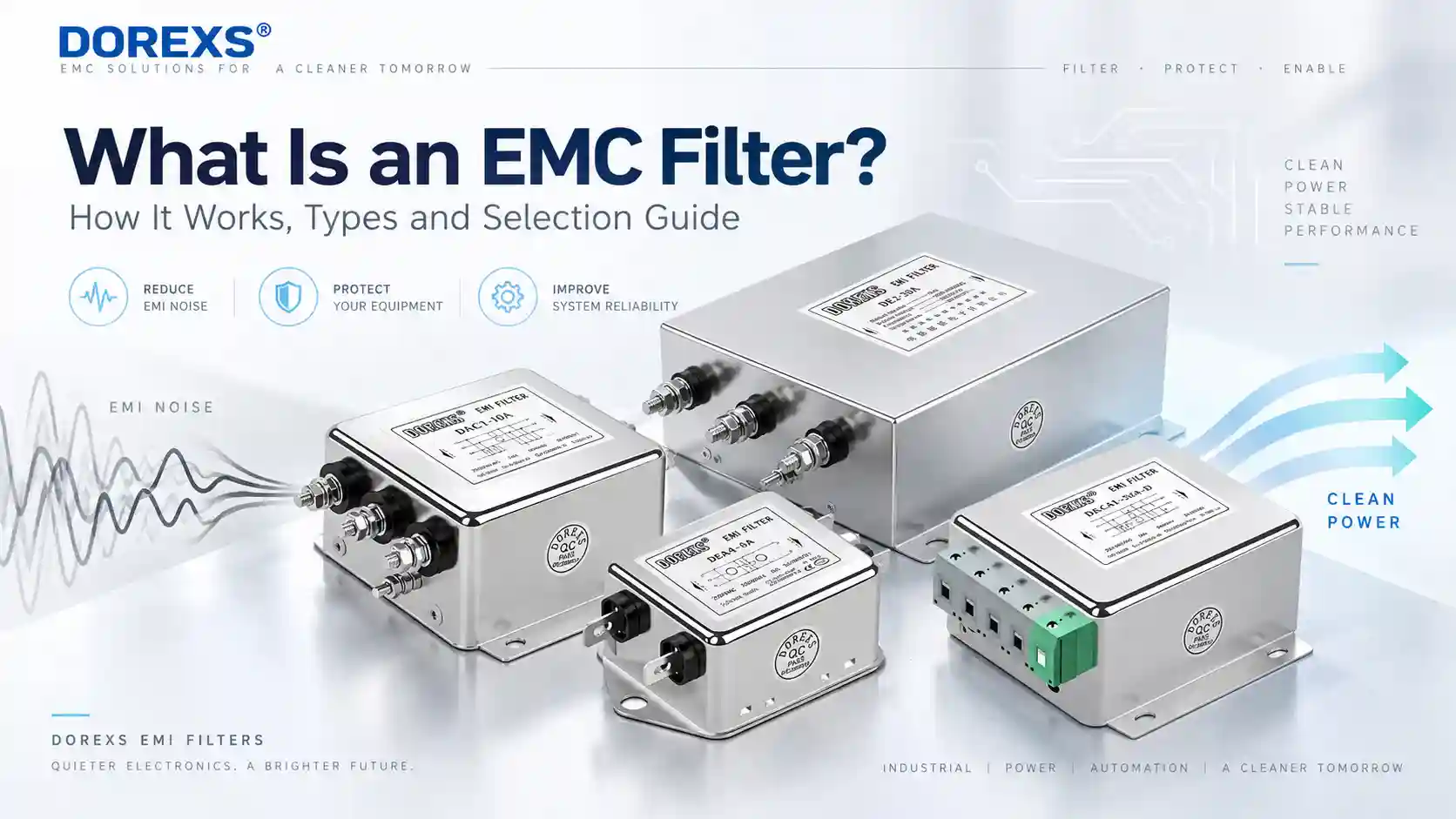
EMI filters for LED lights come in various types, each tailored for specific applications within lighting systems. Common types include:
Each type serves unique purposes in reducing interference in LED systems.
Common mode filters reduce noise from shared ground paths, while differential mode filters manage voltage fluctuations. Knowing the unique purposes of each filter type is crucial for maintaining LED performance and ensuring regulatory compliance.
Key Specifications to Consider
Key specifications to consider when selecting an EMI filter include:
-
Frequency range, which determines the filter’s operational limits, ensuring effective noise suppression at relevant frequencies
-
Rated current, which indicates the maximum current the filter can handle
-
Voltage rating, which specifies the maximum voltage the filter can withstand
-
Insertion loss, which measures power loss when signals pass through the filter; lower insertion loss indicates better performance
This information is crucial for ensuring that the EMI filter meets the specific needs of your application and can change accordingly.
Filters with appropriate specifications can significantly reduce EMI emissions, ensuring compliance with industry standards and enhancing LED lighting system performance through filtering.
Installation Tips
Proper installation of EMI filters maximizes their effectiveness in reducing electromagnetic interference in LED lighting systems. Applying ferrite beads to the input power cable significantly decreases noise levels by providing resistive attenuation at specific frequencies.
The effectiveness of EMI filters directly correlates with their correct installation, enhancing LED lighting system performance. Following best practices for installing EMI filters ensures optimal performance and noise reduction, leading to more reliable and efficient LED lighting systems.
The effectiveness of EMI filters directly correlates with their correct installation, enhancing LED lighting system performance. Following best practices for installing EMI filters ensures optimal performance and noise reduction, leading to more reliable and efficient LED lighting systems.
Practical Solutions to Minimize EMI in LED Lighting

Minimizing EMI in LED lighting requires a combination of practical solutions and effective strategies. Installing ferrite beads, employing shielding techniques, and implementing active harmonic suppression are some of the most effective methods.
We’ll explore this practical solution in detail, providing actionable steps to answer reduce EMI in LED lighting systems and enhance performance. Answers will be provided throughout the discussion.
Using Ferrite Beads
Ferrite beads function as passive electromagnetic interference suppressors by absorbing high-frequency noise. They are particularly effective in suppressing common mode noise and can improve the overall efficiency of LED lighting systems.
Positioning ferrite beads close to the source of interference maximizes their effectiveness. Using ferrite beads significantly reduces static noise and enhances LED lighting system performance.
Positioning ferrite beads close to the source of interference maximizes their effectiveness. Using ferrite beads significantly reduces static noise and enhances LED lighting system performance.
Shielding Techniques
Metal enclosures around LED drivers create a direct barrier that shields against electromagnetic interference. These enclosures and conductive coatings effectively block external electromagnetic fields from interfering with LED circuits, ensuring reliable delivery of power to the LEDs in their intended form and add to the overall performance.
Shielding techniques protect LED lighting systems from EMI, ensuring smooth operation without interference from external sources.
Shielding techniques protect LED lighting systems from EMI, ensuring smooth operation without interference from external sources.
Active Harmonic Suppression
Active harmonic suppression refers to techniques aimed at mitigating harmonics distortion in electrical systems, particularly in LED lighting setups. These techniques include the use of specialized control algorithms and active filters that dynamically adjust to changing load conditions.
Reducing harmonic distortion through active harmonic suppression enhances the power factor of LED drivers and minimizes total harmonic distortion (THD), contributing to improved overall system performance.
Reducing harmonic distortion through active harmonic suppression enhances the power factor of LED drivers and minimizes total harmonic distortion (THD), contributing to improved overall system performance.
Case Study: Improving EMI Performance in LED Floodlights

A real-world case study review focuses on a 100W LED floodlight designed to achieve low electromagnetic interference levels. This case study illustrates the initial challenges, solutions implemented, and significant improvements in reducing EMI emissions, including a photo of the floodlight in action.
Initial Challenges
Electromagnetic interference in LED floodlights is primarily caused by AC-DC power supplies and the use of Pulse Width Modulation (PWM) in LED drivers. Effective preparation for EMI testing ensures accurate results and identifies initial challenges in LED floodlights.
The 100W LED floodlight faced significant EMI challenges due to high emissions from the power supply. Initial testing revealed that the EMI levels had failed to be reduced to meet compliance standards for the led light.
The 100W LED floodlight faced significant EMI challenges due to high emissions from the power supply. Initial testing revealed that the EMI levels had failed to be reduced to meet compliance standards for the led light.
Implemented Solutions
To address the EMI challenges, several practical solutions were implemented. Shielding techniques and ferrite beads were employed to minimize EMI in the LED lighting systems. Choosing the right EMI filter, such as LC or RC filters, based on the type of noise present, was crucial in reducing interference.
Proper installation techniques, including minimizing cable lengths and ensuring adequate grounding, were also crucial in enhancing the effectiveness of EMI filters. These solutions collectively contributed to significant improvements in the EMI performance of the LED floodlight wiring fix nicely.
Proper installation techniques, including minimizing cable lengths and ensuring adequate grounding, were also crucial in enhancing the effectiveness of EMI filters. These solutions collectively contributed to significant improvements in the EMI performance of the LED floodlight wiring fix nicely.
Results and Improvements
After implementing the solutions, the floodlight emissions were significantly reduced, achieving levels indistinguishable from the noise floor. This ensured compliance with regulatory standards and enhanced the overall performance and reliability of the LED floodlight.
The case study demonstrates the importance of addressing EMI challenges in LED lighting systems and highlights practical steps to improve performance and reduce interference. Effective EMI management ensures that LED lighting systems operate smoothly and efficiently.
The case study demonstrates the importance of addressing EMI challenges in LED lighting systems and highlights practical steps to improve performance and reduce interference. Effective EMI management ensures that LED lighting systems operate smoothly and efficiently.
Summary
In summary, understanding and mitigating electromagnetic interference in LED lighting systems is crucial for enhancing performance and ensuring regulatory compliance. By identifying the sources of EMI, preparing effectively for testing, and implementing practical solutions, you can significantly reduce interference and improve the efficiency of your LED lights.
Addressing EMI challenges requires a combination of strategies, including the use of EMI filters, ferrite beads, shielding techniques, and active harmonic suppression. By following these steps, you can ensure that your LED lighting systems operate smoothly and efficiently, free from the disruptive effects of electromagnetic interference.
Addressing EMI challenges requires a combination of strategies, including the use of EMI filters, ferrite beads, shielding techniques, and active harmonic suppression. By following these steps, you can ensure that your LED lighting systems operate smoothly and efficiently, free from the disruptive effects of electromagnetic interference.
Frequently Asked Questions
What are the primary sources of EMI in LED lights?
The primary sources of EMI in LED lights stem from power supplies and pulsing circuits in LED drivers, particularly those utilizing Pulse Width Modulation (PWM) for dimming. Addressing these sources is essential for minimizing electromagnetic interference.
How does EMI affect the performance of LED lights?
EMI negatively impacts LED lights by causing flickering, reducing efficiency, and potentially leading to non-compliance with regulatory standards, ultimately degrading their performance.
What are some practical solutions to minimize EMI in LED lighting systems?
To minimize EMI in LED lighting systems, utilize ferrite beads, apply shielding techniques, and implement active harmonic suppression. These methods effectively reduce interference and improve overall system performance.
Why is it important to select the right EMI filter for LED lighting systems?
It is important to select the right EMI filter for LED lighting systems to minimize electromagnetic interference and ensure regulatory compliance, ultimately enhancing system performance.
What were the key improvements achieved in the case study on LED floodlights?
The case study achieved key improvements by significantly reducing EMI emissions to levels indistinguishable from the noise floor, ensuring regulatory compliance and enhancing the performance and reliability of the LED floodlights.
Mastering the Filter in Electronics: Types and Applications
Best Washing Machine EMI Filter - Save Your Appliances from Electrical Noise