PLC Filter Usage Precautions and Optimization Guide

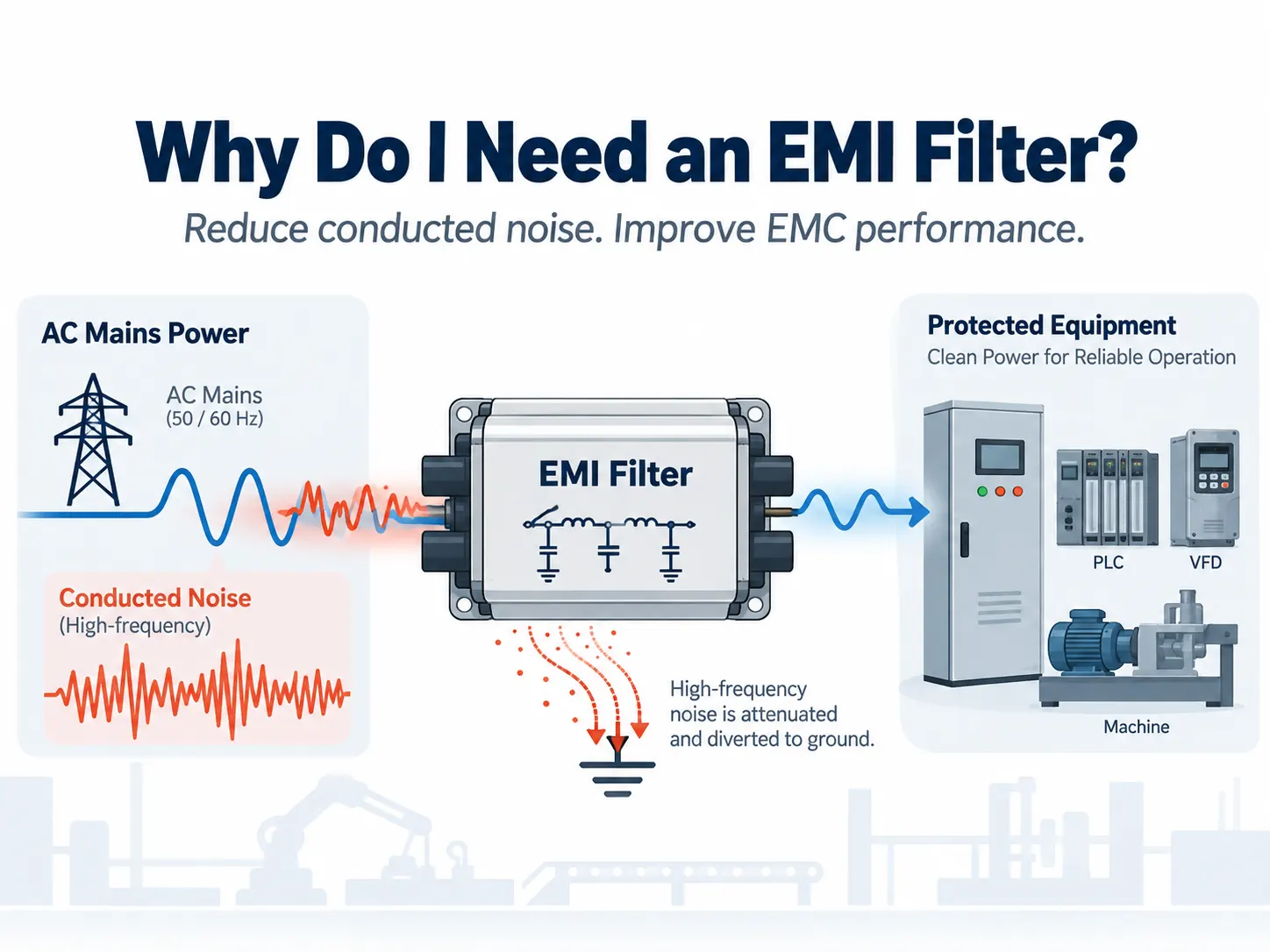
In industrial automation control systems, PLC (programmable logic controller) filters are key devices that can effectively suppress electromagnetic interference and improve signal stability. However, although PLC filters usually have strong anti-interference capabilities and can be directly applied to industrial environments, in extremely harsh production environments, strong electromagnetic interference, improper installation or operation may cause abnormal operation of the PLC system or even cause the equipment to lose control. Therefore, in order to improve the reliability of the PLC control system, in addition to requiring manufacturers to improve the anti-interference performance of the equipment, it is also necessary to take corresponding optimization measures during the design, installation and maintenance process. This article will discuss in detail the issues that need to be paid attention to during the use of PLC filters from multiple aspects to ensure their stable operation in industrial environments.
Learn more about selecting the right power filter...

1. Working environment requirements
(1) Temperature management
(2) Humidity control
(3) Anti-vibration measure
(4) Air quality requirements
2. Power management and anti-interference measure
(1) Power stability
- Add an isolation transformer at the power input to reduce external interference.
- Use a voltage-stabilized power supply to ensure the stability of the 24V DC power supply.
- Use a power module with filtering function to reduce high-frequency interference and ripple in the power supply.
(2) Grounding and shielding
- PLC should use independent grounding with a grounding resistance of less than 10Ω to avoid sharing the grounding point with high-power equipment.
- In a high-interference environment, signal lines and power lines should be wired separately as much as possible, and shielded cables should be used.
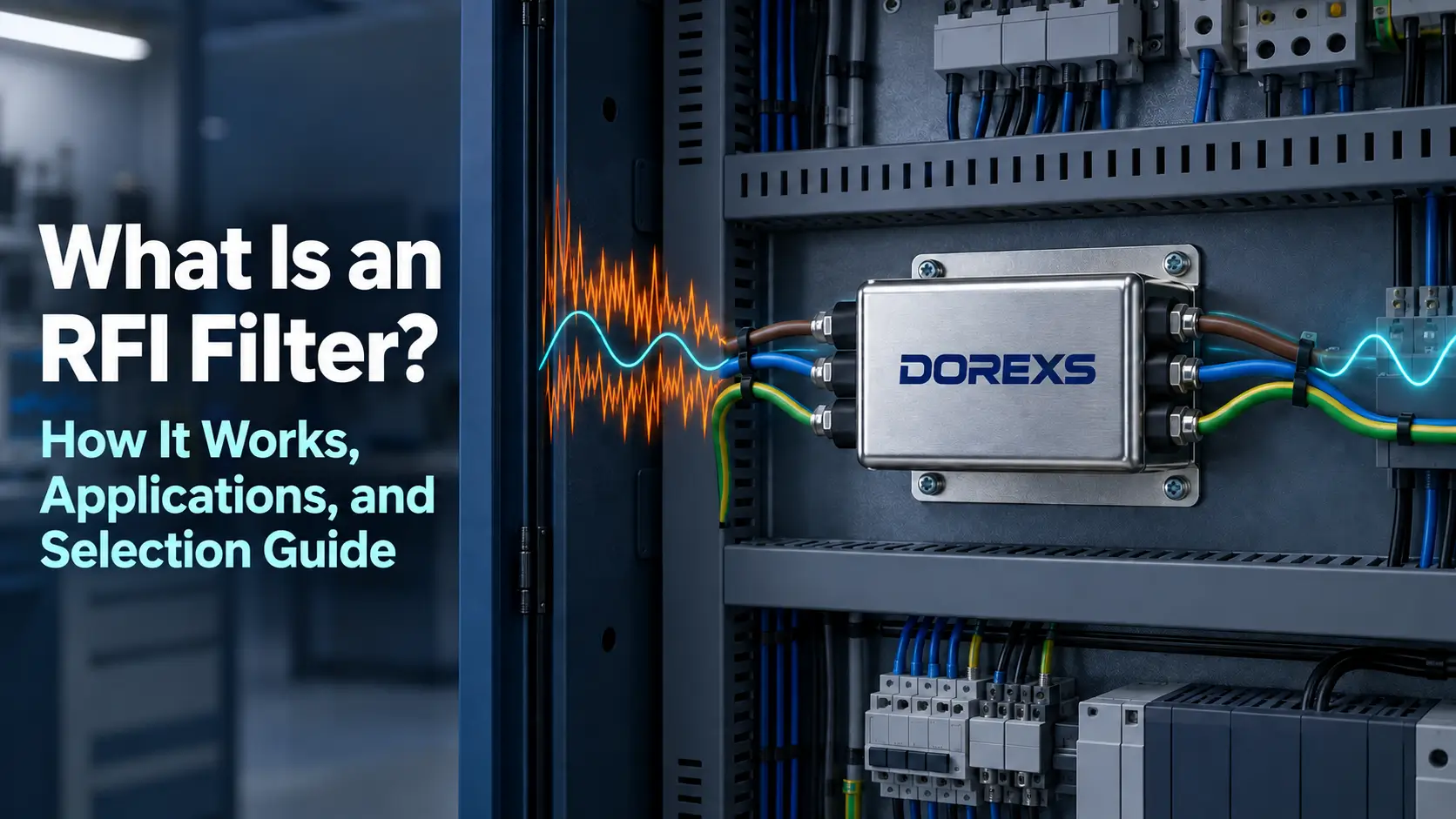
- Use an EMI filter with a shielding layer to suppress high-frequency interference conducted by the power line.
3. Installation and wiring specifications
(1) Reasonable wiring method
- Strong and weak current lines should be laid separately to avoid mutual interference.
- Avoid laying PLC input and output signal lines parallel to high-voltage cables to reduce electromagnetic induction interference.
- Use twisted-pair shielded cables to transmit signals to ensure signal stability.
(2) Terminal connection precautions
- Ensure that the PLC terminal is firmly connected to avoid signal interruption due to poor contact.
- The terminal screws should be tightened but not excessively to prevent loose wiring.
- Check the wiring condition regularly and handle oxidation or looseness in a timely manner.
4. Maintenance and daily inspection
(1) Regular cleaning and inspection
- Regularly check whether the connection line of the PLC filter is loose or worn.
- Clean the dust in the control cabinet to prevent dust accumulation from affecting heat dissipation and electrical connections.
- Observe whether the PLC is running normally, and find out the cause in time if any abnormality is found.
(2) Software and program backup
- Regularly back up the PLC program to prevent program loss due to accidents.
- Before equipment maintenance or replacement, the current system configuration and parameters should be saved for quick recovery.
(3) Fault diagnosis and handling
- Observe the PLC status indicator to promptly detect abnormalities in power supply, circuit or signal input.
- Use an oscilloscope or multimeter to detect signal quality to ensure that the PLC receives control signals normally.
- Analyze the fault code to quickly locate the problem point and take corresponding maintenance measures.
Conclusion
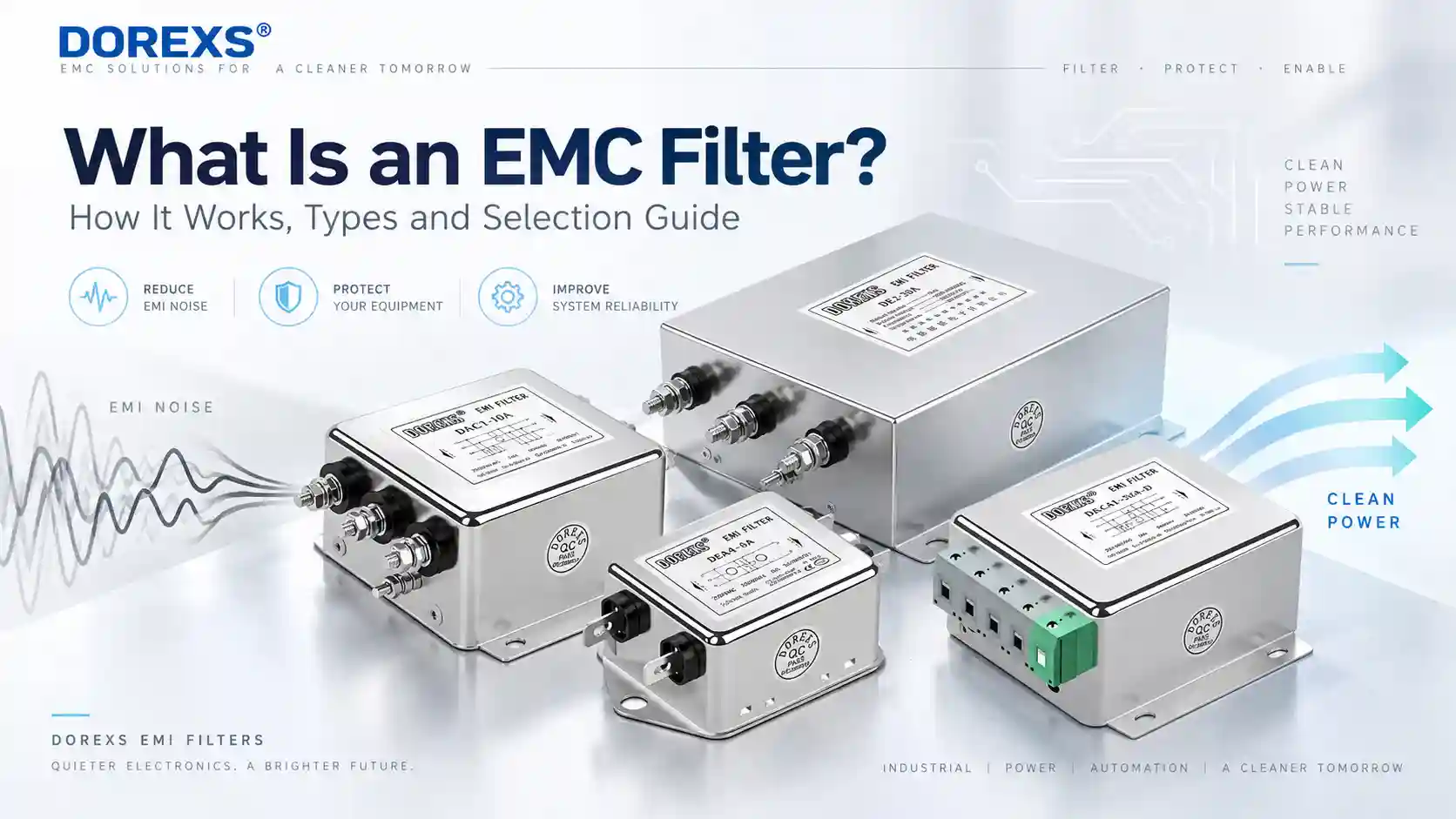
As a leading manufacturer of EMI filtering solutions, DOREXS has extensive R&D experience and advanced production equipment. We are committed to providing customers with high-quality EMI filtering products and services to meet the needs of multiple fields from industrial to consumer electronics.
The Impact of EMI Power Filters on Power Output and Optimization Recommendations
Understanding How Motor and Filter Work Together