Power EMI Filters: Enhancing Power Quality and Noise Suppression
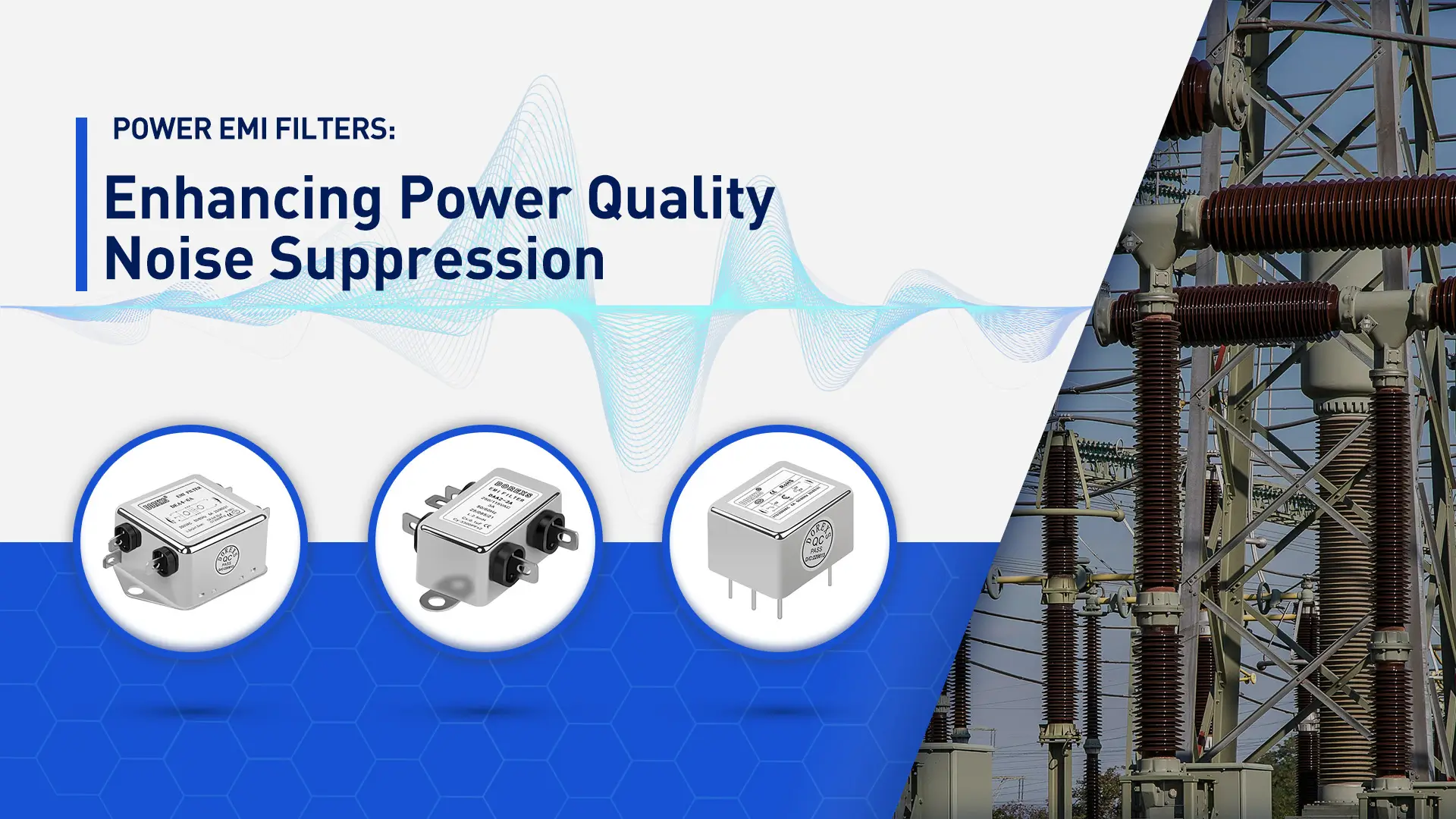
With the acceleration of electronic electrification, it is crucial to ensure the stability, reliability, and efficiency of electrical systems. To achieve this goal, engineers have found that power EMI filters are a very important choice, playing a vital role in improving power quality and suppressing electromagnetic interference. This article will introduce you to the importance, functions, types, and applications of power EMI filters.
What is a Power EMI Filter?
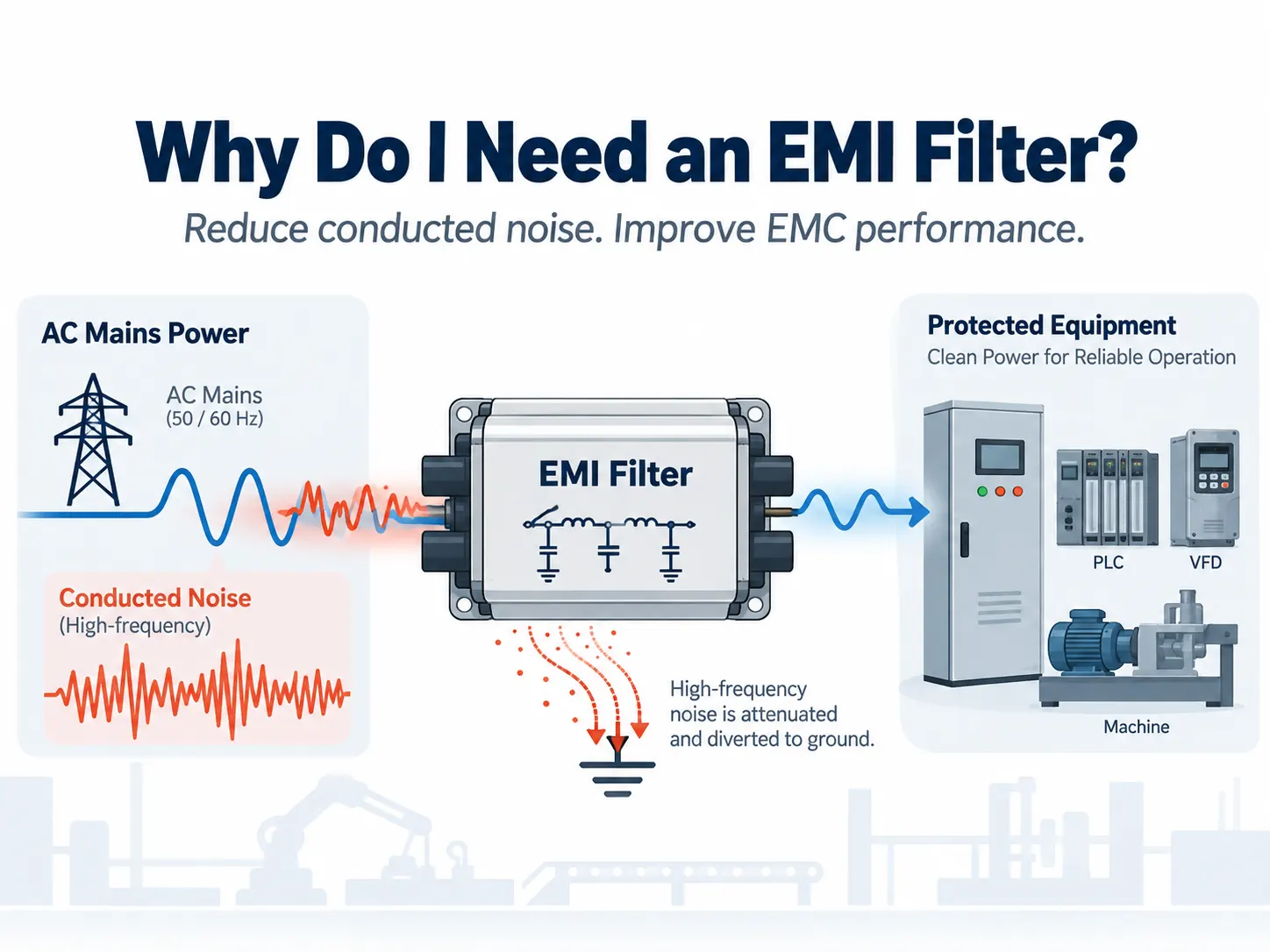
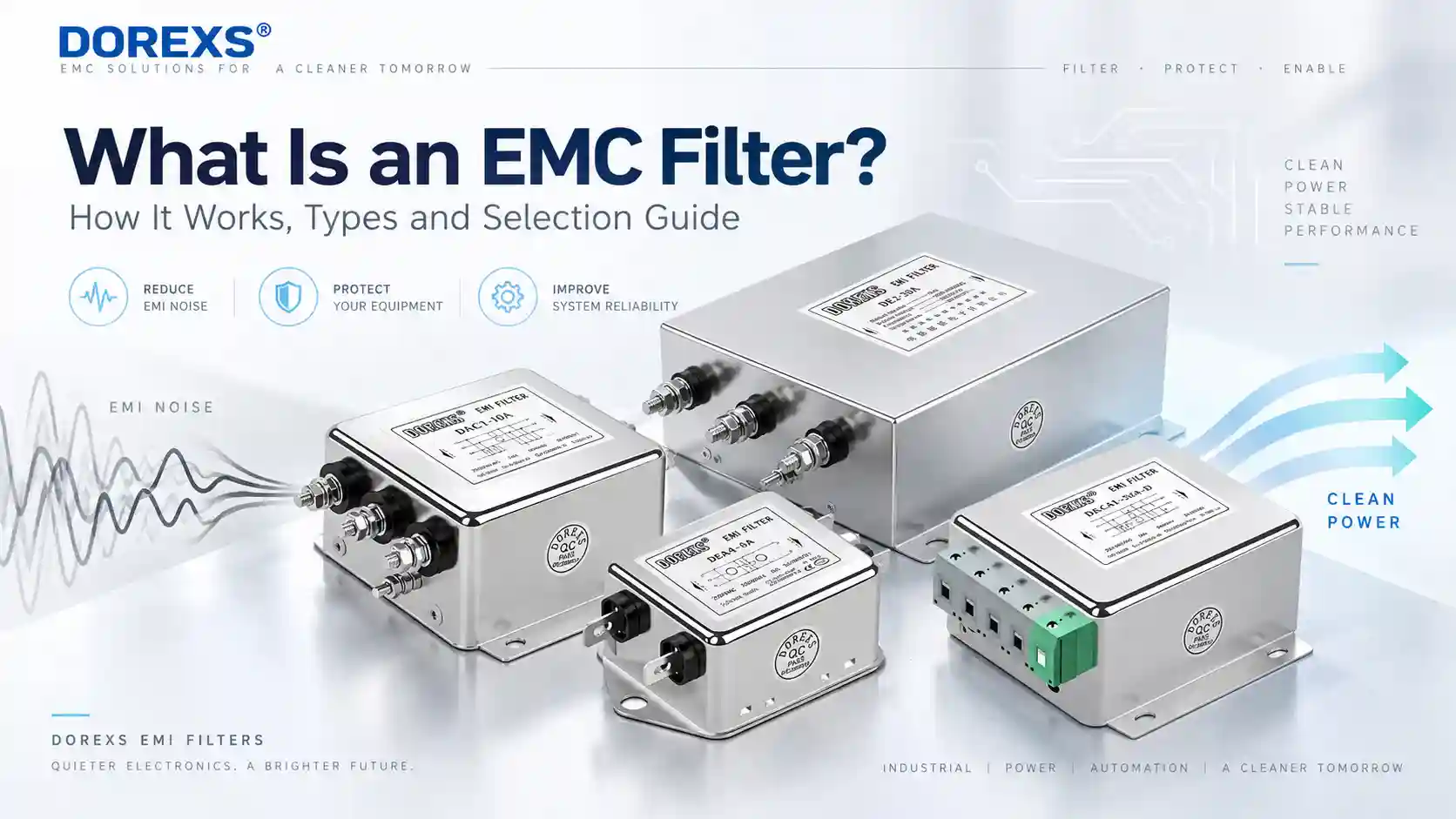
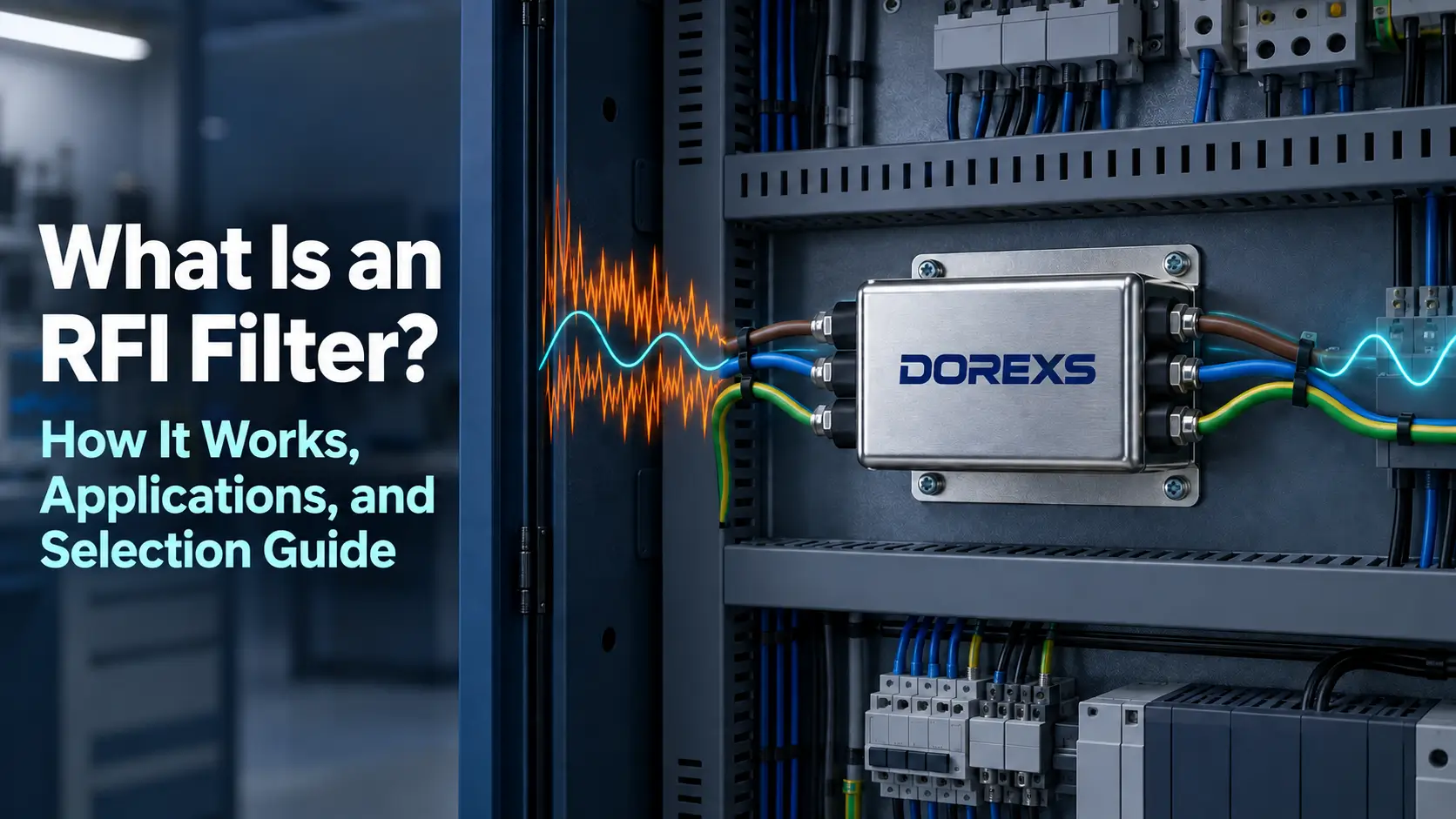
Power EMI filters, also known as noise suppression power EMI filters, play a vital role in mitigating electromagnetic interference (EMI) in electrical systems (including power supplies and electronic equipment). These filters effectively block high-frequency noise while allowing the necessary power frequency to pass, thereby enhancing power quality. Additionally, they prevent unwanted noise from affecting electronic devices, ensuring that the equipment remains stable and complies with safety regulatory standards.
Three Major Functions of Power EMI Filters
Noise Suppression
Power EMI filters help block unnecessary high-frequency noise (both common-mode and differential-mode) generated by switching power supplies, inverters, or any electrical equipment with fast-switching components. By filtering out unwanted noise, these filters help maintain signal integrity and reduce the risk of failure in sensitive equipment.
Improving Power Quality
In power conversion systems, especially those using wide bandgap semiconductors such as silicon carbide (SiC) or gallium nitride (GaN), high switching frequencies can lead to increased EMI. Power EMI filters improve power quality by reducing ripple voltage and ensuring a more stable power supply, which is critical for the proper operation of electronic devices.
Compliance with Regulatory Standards
Many industries, particularly medical, industrial automation, and consumer electronics, require equipment to meet stringent EMI standards (e.g., EN55022, FCC Part 15). Power EMI filters help manufacturers meet these standards, avoid costly redesigns, and ensure safe operation within established limits.
Types of Power EMI Filters
 |
AC EMI Power Line Filters
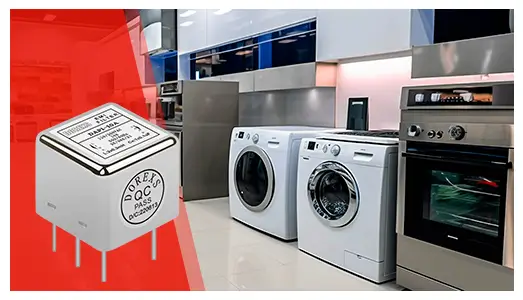
Used in alternating current systems, these filters are critical for preventing noise from affecting the power line. They are commonly found in home appliances, industrial machines, and renewable energy systems.
DC EMI Power Line Filters
Essential for devices powered by direct current, such as battery-powered systems and photovoltaic installations, DC filters help maintain the integrity of the power supply by filtering out high-frequency noise.
Single Phase EMI Power Filters
In single-phase power systems (such as consumer appliances and industrial applications), single-phase filters effectively suppress high-frequency noise and ensure the stability and reliability of electronic devices.
Three Phase EMI Power Filters
In industrial applications, three-phase filters are essential for managing EMI in three-phase power systems, ensuring that machines operate efficiently and reducing the risk of damage caused by noise.
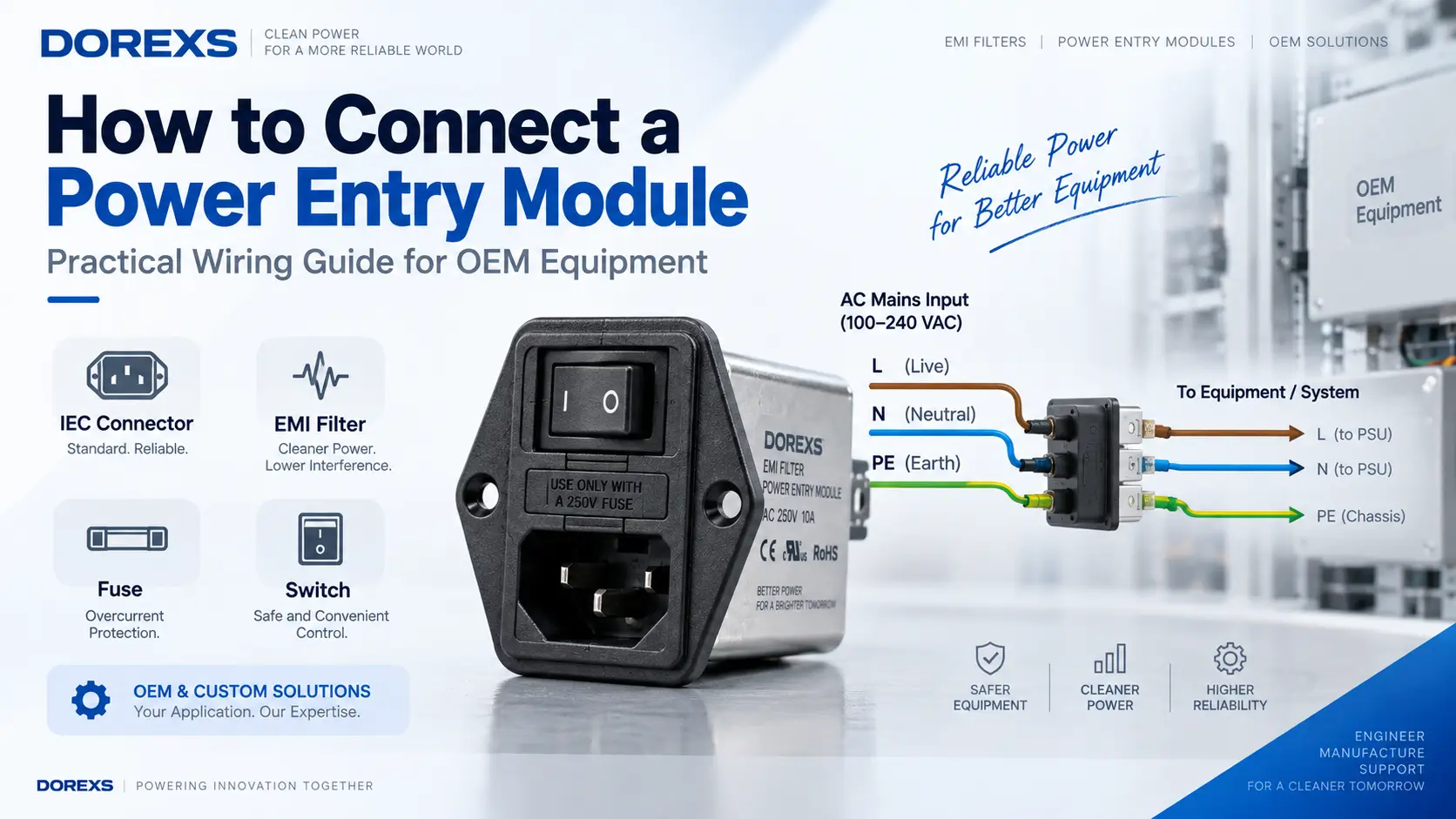
IEC EMI Power Line Filters
Designed to meet international standards, IEC filters are suitable for equipment intended for global markets, ensuring compliance with varying regulations across different regions.
Applications of Power EMI Filters
Applications of Power EMI Filters
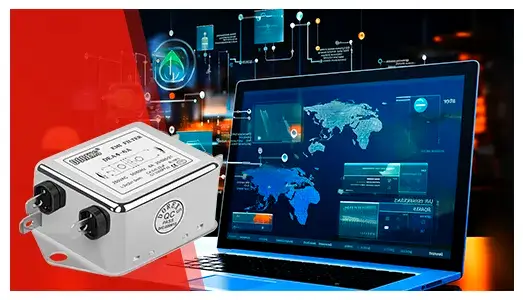
- Consumer Electronics: Equipment such as TVs, computers, and audio systems.
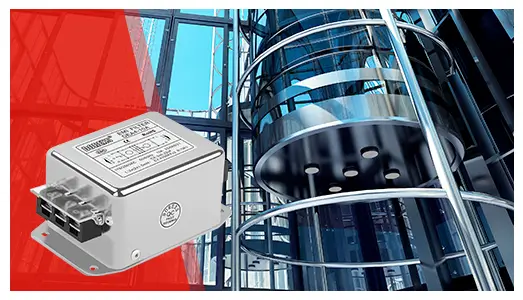
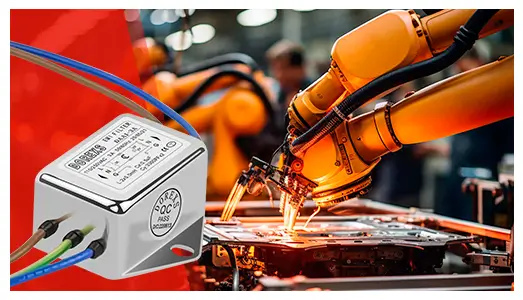
- Industrial Equipment: Inverters, motor drives, PLCs, and robots.
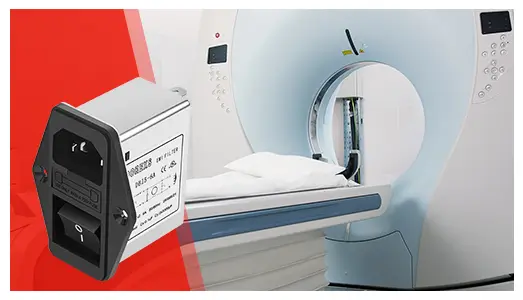
- Medical Equipment: Imaging systems and monitors.
- Renewable Energy Systems: Solar inverters and wind turbines.
- Telecommunications: Base stations, routers, and other network equipment.
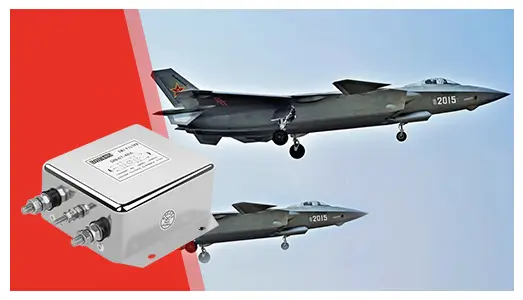
- Aerospace and Defense: Navigation, communication, and control systems.
- Electric Vehicles: Motors and power electronics.
- Power Supplies: Switching power supplies (SMPS).
 |
 |
 |
 |
 |
 |
Benefits of Using Power EMI Filters
- Extended Equipment Life: Power EMI filters can prolong the life of electronic devices by protecting sensitive components from noise-related damage.
- Improved Efficiency: Enhanced power quality allows equipment to operate more efficiently, reducing energy waste and operational costs.
- Operational Reliability: Effective noise suppression reduces the likelihood of unexpected downtime or failure, ensuring consistent performance.
- Compliance with Safety Regulations: Power EMI filters help products meet emission standards, enhancing market competitiveness.
Power EMI filters are indispensable in today's electrical systems, playing a vital role in improving power quality and suppressing noise. By incorporating these filters into electronic designs, manufacturers can ensure compliance with regulatory standards, improve efficiency, and protect sensitive equipment from electromagnetic interference. As technology continues to advance, the importance of reliable power solutions will only increase, making power EMI filters an essential part of the future of electronic products.
Application of EMI Filter in Inverter
Treadmill EMI Filters