Understanding the Difference Between 3-Phase 3-Wire and 3-Phase 4-Wire EMI Filters
A 3 phase 4 wire system is commonly used in industrial and commercial power supply configurations, providing both three-phase and single-phase power. This configuration impacts voltage referencing and measurement, allowing for more versatile load connections and easier phase-to-neutral voltage measurements.


Introduction to Three-Phase Systems
Three-phase systems are a cornerstone of modern engineering, especially in industrial and commercial power distribution. In a three-phase system, three conductors each carry an alternating current of the same frequency and voltage amplitude, but each current is offset by a 120-degree electrical phase difference. This unique arrangement enables constant power transfer to loads, which is a significant advantage over single-phase or two-phase systems. The result is a smooth, uninterrupted supply of energy that is ideal for running high power loads such as three phase motors and other three phase equipment.
The rotating magnetic field produced by three phase power is essential for the efficient operation of electric motors, particularly three phase induction motors. These systems can be configured as either three-phase three-wire or three-phase four-wire systems. The three-phase three-wire system uses only the three phase conductors, while the three-phase four-wire system adds a neutral conductor, offering greater flexibility for connecting both three phase and single phase loads. buildings, manufacturing plants, and other settings where high efficiency and reliable power delivery are required.
The rotating magnetic field produced by three phase power is essential for the efficient operation of electric motors, particularly three phase induction motors. These systems can be configured as either three-phase three-wire or three-phase four-wire systems. The three-phase three-wire system uses only the three phase conductors, while the three-phase four-wire system adds a neutral conductor, offering greater flexibility for connecting both three phase and single phase loads. buildings, manufacturing plants, and other settings where high efficiency and reliable power delivery are required.
Overview of Three-Phase Three-Wire and Four-Wire Filters
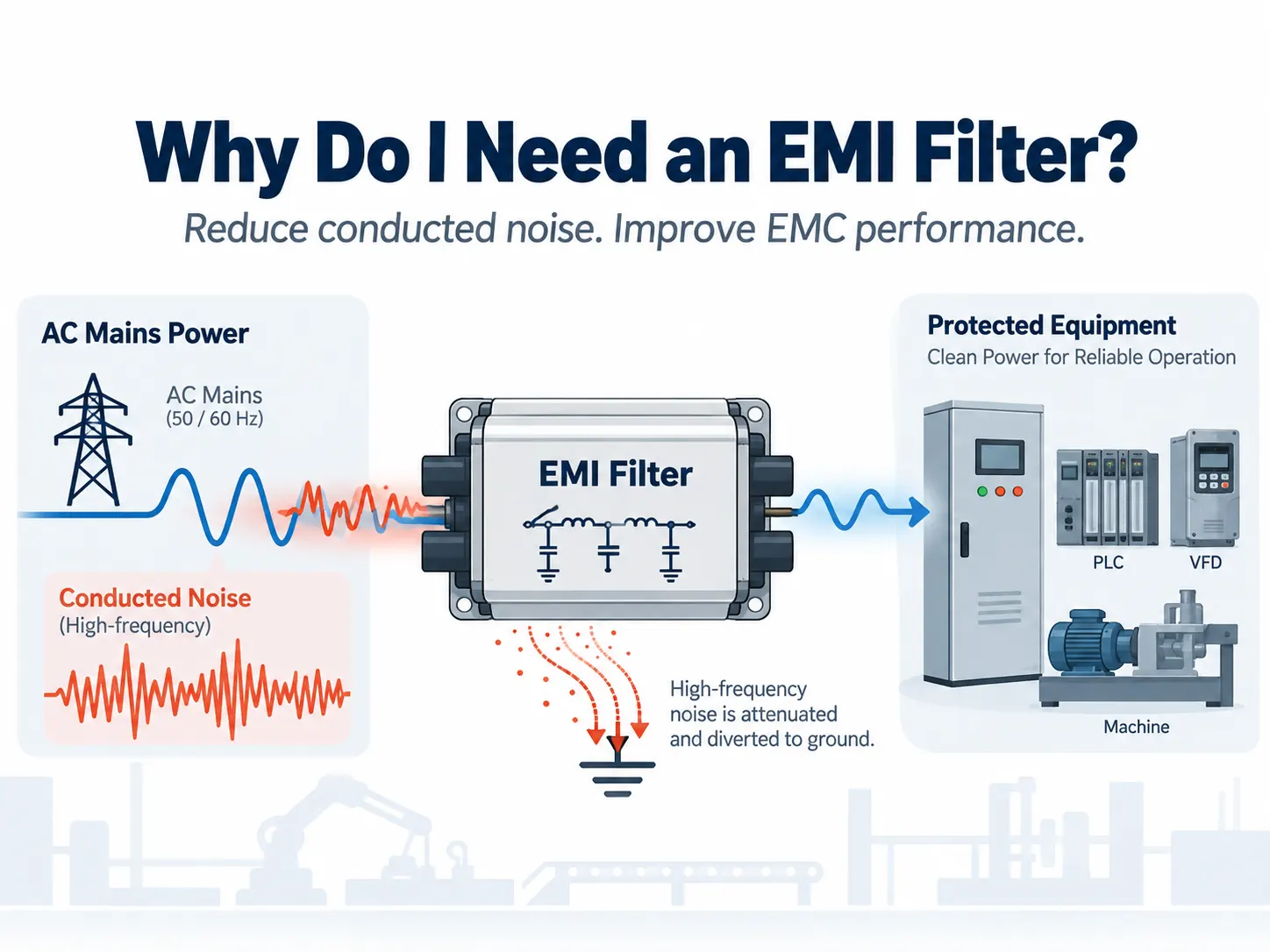
In any three phase distribution system, maintaining power quality is crucial for the reliable operation of sensitive electrical equipment. Three-phase filters are specifically designed to reduce electromagnetic interference (EMI) and suppress unwanted noise that can disrupt normal operation. There are two primary types of filters used in these systems: three-phase three-wire filters and three-phase four-wire filters.
Three-phase three-wire filters are tailored for use in phase three wire systems, where only the three phase conductors are present and there is no neutral conductor. These filters typically incorporate three inductors—one for each phase—to effectively filter out both common-mode and differential-mode noise. or inductor, connected to the neutral conductor. This configuration allows for enhanced filtering performance, especially in systems with unbalanced loads or where single phase loads are present. By selecting the appropriate filter for the specific wire system, power quality can be significantly improved, ensuring stable and efficient operation of three phase equipment.
Three-phase three-wire filters are tailored for use in phase three wire systems, where only the three phase conductors are present and there is no neutral conductor. These filters typically incorporate three inductors—one for each phase—to effectively filter out both common-mode and differential-mode noise. or inductor, connected to the neutral conductor. This configuration allows for enhanced filtering performance, especially in systems with unbalanced loads or where single phase loads are present. By selecting the appropriate filter for the specific wire system, power quality can be significantly improved, ensuring stable and efficient operation of three phase equipment.
Three-Phase Three-Wire Filter
A three-phase three-wire filter is engineered for use in phase three wire systems, which are commonly found in industrial environments where only three phase conductors are available and no neutral conductor is present. These filters are particularly effective in applications with balanced loads, such as three phase motor drives and other three phase equipment that require stable, high power delivery.
The typical construction of a three-phase three-wire filter involves three inductors, each connected to one of the phase lines. These inductors are often arranged in a delta configuration, which is highly effective at suppressing common-mode noise and improving the overall power quality of the system. By filtering out both common-mode and differential-mode interference, these filters help protect sensitive equipment and ensure the reliable operation of three phase motors and other high power loads. Since there is no neutral conductor in this configuration, the filter The design is optimized for balanced three phase loads, making it less suitable for systems with significant single phase load requirements.
The typical construction of a three-phase three-wire filter involves three inductors, each connected to one of the phase lines. These inductors are often arranged in a delta configuration, which is highly effective at suppressing common-mode noise and improving the overall power quality of the system. By filtering out both common-mode and differential-mode interference, these filters help protect sensitive equipment and ensure the reliable operation of three phase motors and other high power loads. Since there is no neutral conductor in this configuration, the filter The design is optimized for balanced three phase loads, making it less suitable for systems with significant single phase load requirements.
Power Quality Considerations
Ensuring high power quality is essential in any three phase system, as poor power quality can lead to equipment failures, increased maintenance costs, and reduced system efficiency. Three-phase filters play a vital role in maintaining power quality by minimizing electromagnetic interference, reducing harmonics, and stabilizing voltage and current waveforms.
The choice between a three-phase three-wire filter and a three-phase four-wire filter depends largely on the type of loads present in the system. For balanced loads, such as those found in three phase motor applications, a three-phase three-wire filter is typically sufficient. However, in systems with unbalanced loads or where single phase loads are connected—common in commercial buildings and mixed-use facilities—a three-phase four-wire filter is often necessary. The presence of a neutral conductor in the four wire system allows for better management of unbalanced currents and improved filtering of harmonics, which is critical for maintaining power quality.
When designing a power system, it is important to assess the specific power quality requirements, including the need to reduce harmonics, improve power factor, and ensure stable operation under varying loads. By selecting the appropriate filter and ensuring it is properly integrated into the three phase supply, engineers can achieve reliable, efficient, and high-quality power delivery for all types of three phase applications.
The choice between a three-phase three-wire filter and a three-phase four-wire filter depends largely on the type of loads present in the system. For balanced loads, such as those found in three phase motor applications, a three-phase three-wire filter is typically sufficient. However, in systems with unbalanced loads or where single phase loads are connected—common in commercial buildings and mixed-use facilities—a three-phase four-wire filter is often necessary. The presence of a neutral conductor in the four wire system allows for better management of unbalanced currents and improved filtering of harmonics, which is critical for maintaining power quality.
When designing a power system, it is important to assess the specific power quality requirements, including the need to reduce harmonics, improve power factor, and ensure stable operation under varying loads. By selecting the appropriate filter and ensuring it is properly integrated into the three phase supply, engineers can achieve reliable, efficient, and high-quality power delivery for all types of three phase applications.
The Difference Between Three-phase Three-wire and Three-phase Four-wire EMI Filters

Three-phase three-wire filters and three-phase four-wire filters are common circuit configurations in power systems. The main difference between them is: different grounding methods and circuit connection methods. This also results in different filtering methods required.
1. Different grounding methods
In power systems, usually, circuits (power supplies, loads, equipment, lines) are connected to the ground, which can effectively limit the voltage and current of the circuit.
According to different grounding points, the ground can be divided into PE (protective ground), NE (neutral line) and N (neutral point). The three-phase three-wire circuit has no N connection, only three phase lines L1, L2, L3 and a PE line connected to the ground. Such systems use three wires (L1, L2, L3) for power transmission, which is efficient for transferring large amounts of power over long distances. The use of three wires reduces conductor material costs and improves transmission efficiency. The three-phase four-wire circuit has three phase lines L1, L2, and L3, a neutral line N and a PE line connected to the ground.
For a three-phase three-wire circuit, because there is no N, the current cannot be filtered in one direction through N, but can only be filtered by matching the inductors, capacitors, resistors and other components of the respective circuits. Since the three-phase four-wire circuit has an N line, it can use a one-way capacitor to filter harmonics through the N line connection to ensure the normal operation of the system. The neutral wire in a four-wire system supports single-phase and unbalanced loads, providing voltage versatility and improving power quality management.
According to different grounding points, the ground can be divided into PE (protective ground), NE (neutral line) and N (neutral point). The three-phase three-wire circuit has no N connection, only three phase lines L1, L2, L3 and a PE line connected to the ground. Such systems use three wires (L1, L2, L3) for power transmission, which is efficient for transferring large amounts of power over long distances. The use of three wires reduces conductor material costs and improves transmission efficiency. The three-phase four-wire circuit has three phase lines L1, L2, and L3, a neutral line N and a PE line connected to the ground.
For a three-phase three-wire circuit, because there is no N, the current cannot be filtered in one direction through N, but can only be filtered by matching the inductors, capacitors, resistors and other components of the respective circuits. Since the three-phase four-wire circuit has an N line, it can use a one-way capacitor to filter harmonics through the N line connection to ensure the normal operation of the system. The neutral wire in a four-wire system supports single-phase and unbalanced loads, providing voltage versatility and improving power quality management.
2. Differences in wiring methods of circuits
Since the grounding methods of three-phase three-wire and three-phase four-wire are different, their wiring methods are naturally also different. In three-phase three-wire, since there is no N line, single-phase power supply (that is, only one phase needs to be used as the power supply) is usually used to power the device. In three-phase four-wire, because there is N line, three-phase power supply is usually used, which can supply three-phase and single-phase equipment at the same time.
In actual circuit applications, the choice of power supply needs to be considered based on specific circumstances. Usually, three-phase power supply is more commonly used. At the same time, for a three-phase four-wire circuit, due to the existence of the N line, one-way capacitors can be used for harmonic filtering, so it has a better harmonic suppression effect, while three-phase three-wire circuits need to be filtered through other circuit components. Therefore, the harmonic suppression effect of the three-phase four-wire circuit is better.
In three-phase systems, line voltage refers to the voltage measured between any two phase lines, while phase voltage is the voltage measured between a phase line and the neutral wire. In three-wire configurations, only line voltages are available, whereas in four-wire systems, both line voltage and phase voltage can be referenced and measured. The line to neutral voltage in a three-phase four-wire system is especially important for supplying single-phase and small loads, making the system suitable for a wider range of applications.
When the N line is absent in three-phase three-wire circuits, there is no direct return path for current, which affects voltage measurement and filtering methods. In four-wire systems, the neutral wire provides a return path, enabling accurate phase-to-neutral voltage measurements and improved filtering.
Phase lines play a crucial role in distributing power in multi-phase setups, impacting system stability and electromagnetic interference mitigation.
In actual circuit applications, the choice of power supply needs to be considered based on specific circumstances. Usually, three-phase power supply is more commonly used. At the same time, for a three-phase four-wire circuit, due to the existence of the N line, one-way capacitors can be used for harmonic filtering, so it has a better harmonic suppression effect, while three-phase three-wire circuits need to be filtered through other circuit components. Therefore, the harmonic suppression effect of the three-phase four-wire circuit is better.
In three-phase systems, line voltage refers to the voltage measured between any two phase lines, while phase voltage is the voltage measured between a phase line and the neutral wire. In three-wire configurations, only line voltages are available, whereas in four-wire systems, both line voltage and phase voltage can be referenced and measured. The line to neutral voltage in a three-phase four-wire system is especially important for supplying single-phase and small loads, making the system suitable for a wider range of applications.
When the N line is absent in three-phase three-wire circuits, there is no direct return path for current, which affects voltage measurement and filtering methods. In four-wire systems, the neutral wire provides a return path, enabling accurate phase-to-neutral voltage measurements and improved filtering.
Phase lines play a crucial role in distributing power in multi-phase setups, impacting system stability and electromagnetic interference mitigation.
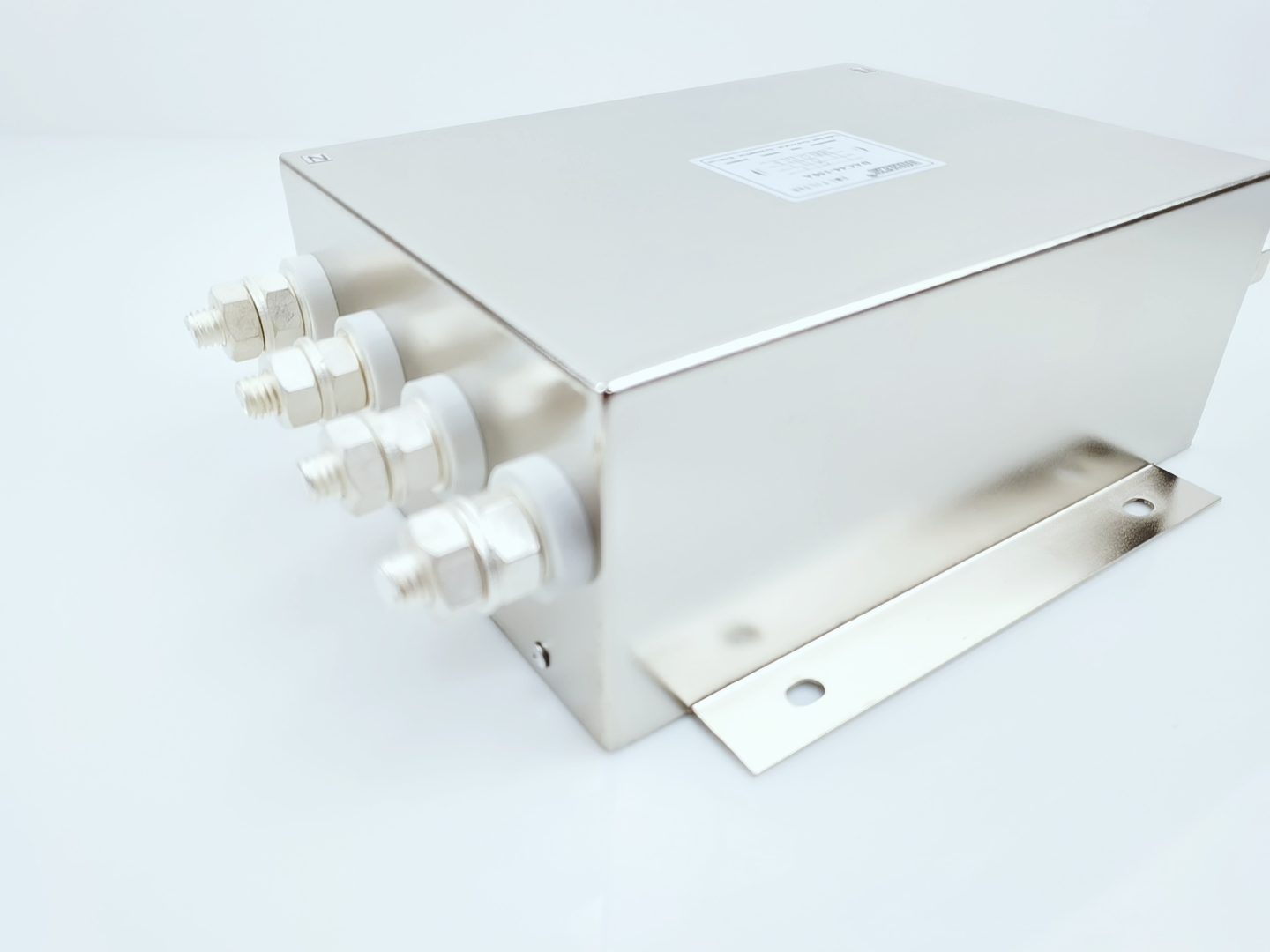
3. Circuit parameters are different
Different circuit parameters are also one of the main reasons for the difference in filters used between three-phase three-wire and three-phase four-wire. Due to the differences in circuit parameters between three-phase three-wire and three-phase four-wire circuits, the filters used are also different.
When the circuit parameters are similar in other aspects, the capacitance addition methods of three-phase three-wire and three-phase four-wire circuits are different. Since there is no N line in the three-phase three-wire, one-way capacitor cannot be used for harmonic filtering. The common method is to use L (inductor) C (capacitor) three-stage filter for filtering to achieve harmonic suppression effect. In a three-phase four-wire circuit, due to the N line, a unidirectional capacitor filter circuit can be used for harmonic filtering. This can make the harmonic suppression effect better, so in the application of three-phase four-wire circuits, unidirectional capacitor filters are usually used first.
The choice of conductor material in three-phase circuits is important for reducing losses and improving overall efficiency, especially when transmitting large amounts of power. Additionally, high voltage is often used in three-phase power transmission to enable efficient long-distance distribution and minimize power loss.
Non linear loads, such as variable frequency drives, can generate harmonics in the system, making appropriate filtering essential to maintain power quality and system stability.
In short, three-phase three-wire and three-phase four-wire filters have different applications under different circuit configurations and parameters, so the filters used will also be different. In practical applications, selections need to be made based on specific circumstances to ensure that the system can operate normally and achieve the required harmonic suppression effect.
When the circuit parameters are similar in other aspects, the capacitance addition methods of three-phase three-wire and three-phase four-wire circuits are different. Since there is no N line in the three-phase three-wire, one-way capacitor cannot be used for harmonic filtering. The common method is to use L (inductor) C (capacitor) three-stage filter for filtering to achieve harmonic suppression effect. In a three-phase four-wire circuit, due to the N line, a unidirectional capacitor filter circuit can be used for harmonic filtering. This can make the harmonic suppression effect better, so in the application of three-phase four-wire circuits, unidirectional capacitor filters are usually used first.
The choice of conductor material in three-phase circuits is important for reducing losses and improving overall efficiency, especially when transmitting large amounts of power. Additionally, high voltage is often used in three-phase power transmission to enable efficient long-distance distribution and minimize power loss.
Non linear loads, such as variable frequency drives, can generate harmonics in the system, making appropriate filtering essential to maintain power quality and system stability.
In short, three-phase three-wire and three-phase four-wire filters have different applications under different circuit configurations and parameters, so the filters used will also be different. In practical applications, selections need to be made based on specific circumstances to ensure that the system can operate normally and achieve the required harmonic suppression effect.


Choosing the right filter
Choosing the right EMI filter depends on your system configuration and load type:
- For balanced three-phase loads (e.g. motors, inverters): use a three-phase, three-wire EMI filter
- For mixed or unbalanced loads (e.g. commercial buildings): use a three-phase, four-wire EMI filter
Also consider:
- Rated voltage (e.g. 440VAC, 480VAC)
- Current range (e.g. 6A–30A, 40A–200A)
- Leakage current requirements
- Size and installation restrictions
DOREXS Manufacturing on EMI Filter
DOREXS has many years of experience in EMI filter manufacturing and is proficient in applying EMI filters
Moreover, DOREXS has multiple product certifications, including CE, ISO9001, UL and other certifications, which meet the technical requirements of European and American countries.
Contact us to get more EMI filters suitable for use in switching power supplies.
3 Phase 3 Wire EMI Filter VS 3 Phase 4 Wire EMI Filter
The importance of EMI power line filter installation