EMI Power Filter Explained: Principle, Function, and Applications

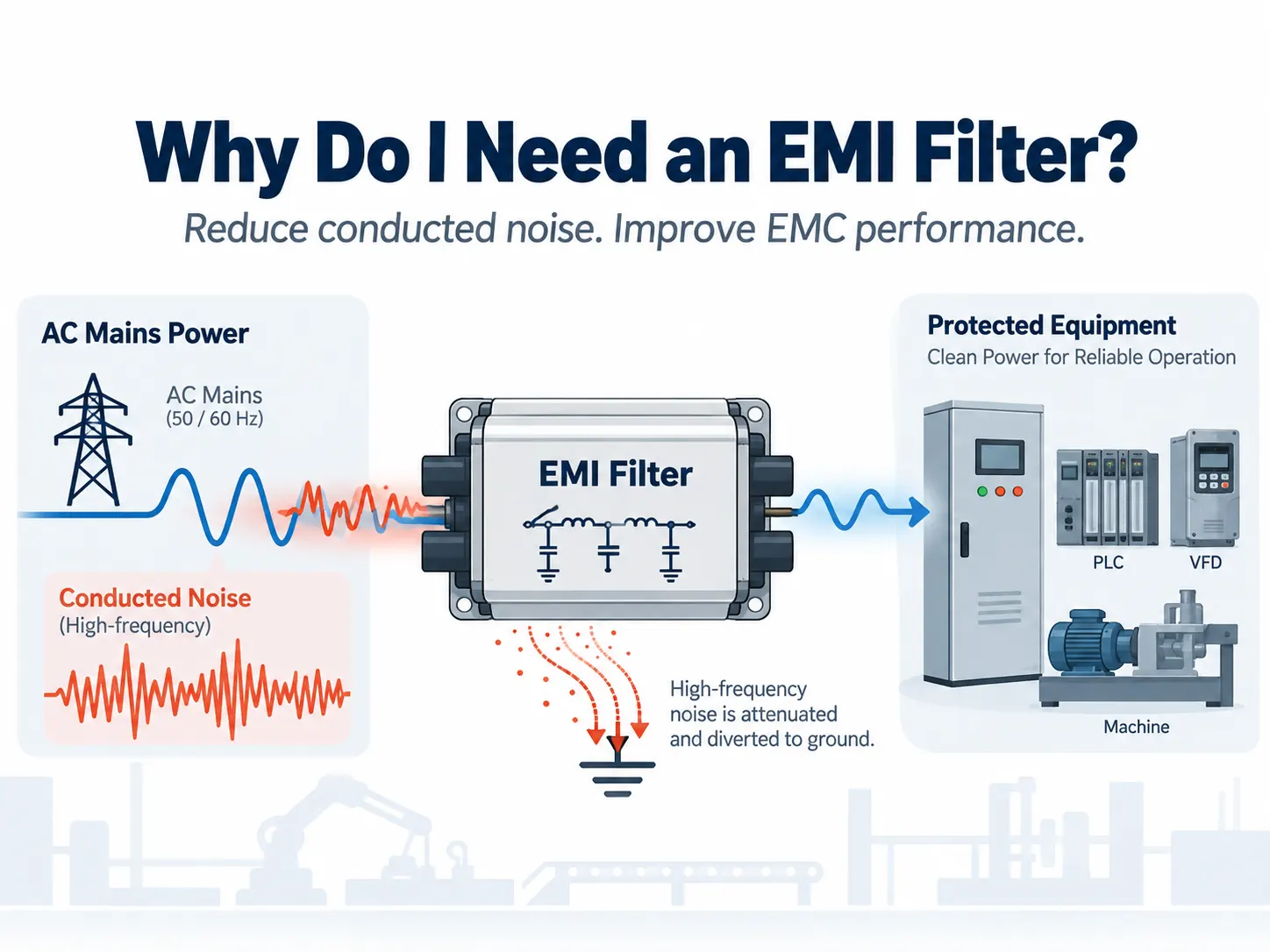
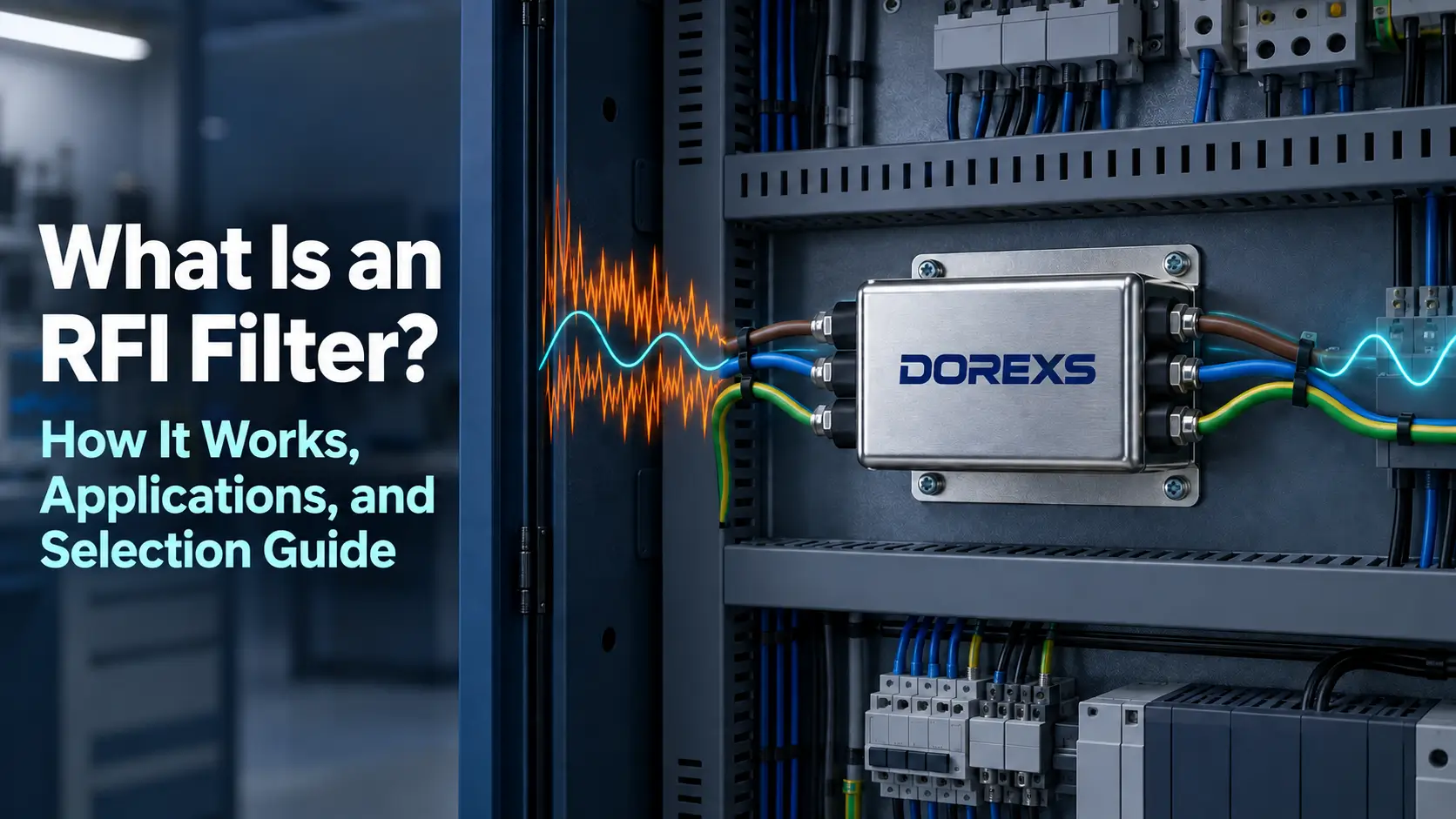
EMI (Electromagnetic Interference) is present in our daily lives, whether in household appliances, medical equipment, or industrial control systems. Here, emi refers to unwanted electromagnetic energy that disrupts the normal operation of electronic devices. EMI rfi is a distinction where EMI covers all electromagnetic noise, while RFI (Radio Frequency Interference) is a subset within the electromagnetic spectrum, specifically between 3 kHz and 300 GHz. These interferences can lead to degraded device performance, data loss, or even system failures, significantly impacting productivity and convenience. To address this issue, EMI power filters were developed as essential components to suppress electromagnetic interference. These filters effectively remove high-frequency noise from power lines, ensuring stable device operation and compliance with electromagnetic compatibility (EMC) standards, which can vary by country. This article will delve into the working principles of EMI power filters and their applications in different fields. EMI power filters are designed and manufactured to meet both international and country-specific standards.
Learn more about selecting the right power filter...
Introduction to EMI Filters
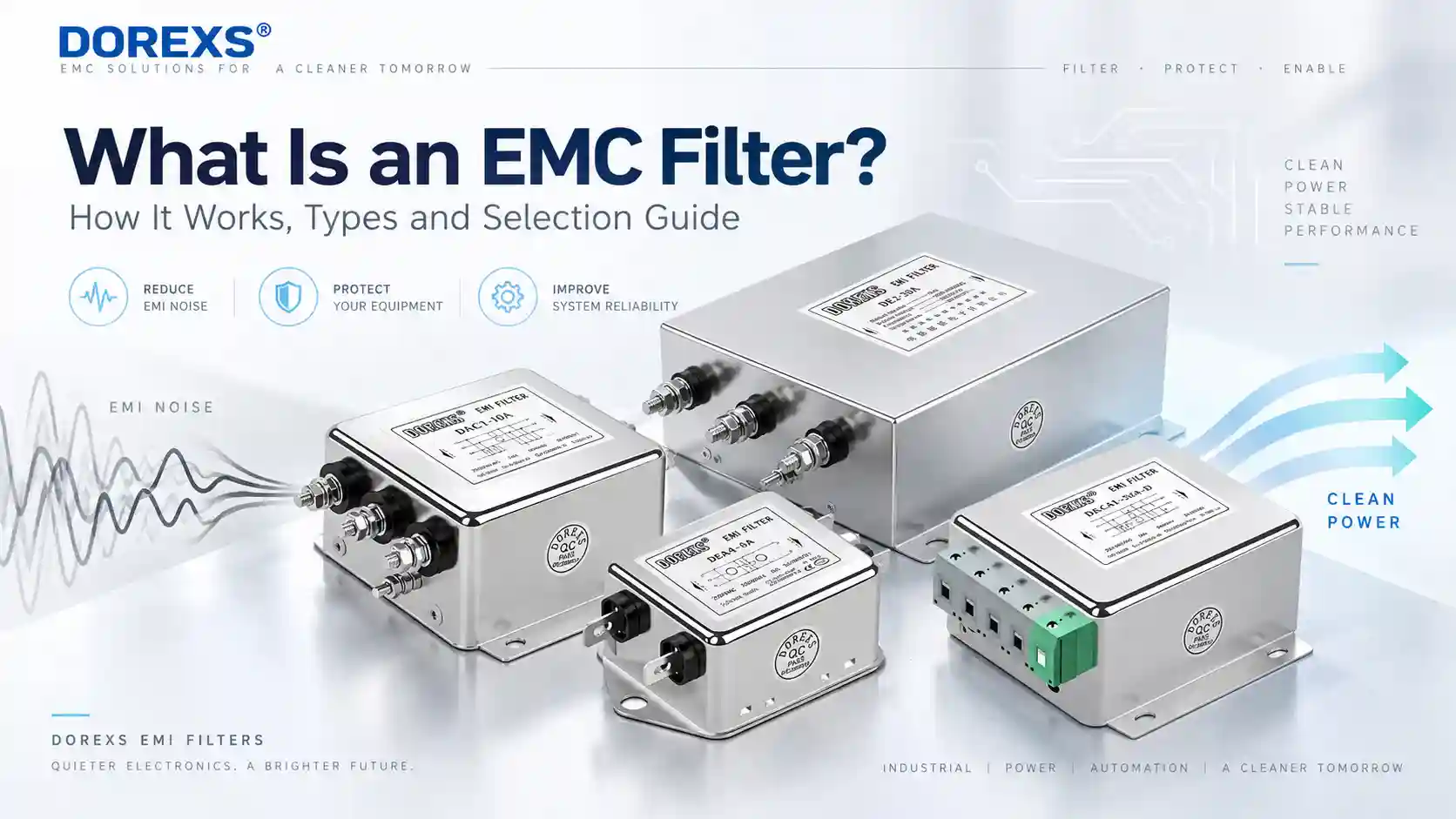
EMI filters are commonly used in industrial automation, medical devices, military systems, and consumer electronics to protect sensitive equipment from interfering currents and electrical noise. Whether installed in power supplies, power lines, or directly inside electronic devices, EMI power line filters play a vital role in reducing electrical noise and improving overall system performance. There are different types of EMI filters available on the market, including panel mount filters, single-phase EMI filters, and three-phase EMI filters, each designed for specific applications and environments.
The primary function of an EMI filter is to allow the desired current to pass while blocking interfering currents that could cause interference or equipment failure. Proper installation of these filters is critical to preventing electronic system downtime, data loss, and even permanent failure. Leading manufacturers, such as DOREXS EMI Filters, offer a wide range of standard and custom EMI power line filters to meet the diverse needs of the market.
Compliance with electromagnetic compatibility (EMC) regulations is another key aspect of EMI filter use. These regulations ensure that electronic devices can operate in the same environment without causing or being interfered with. By integrating EMI filters into electronic systems, manufacturers and users can improve performance, enhance reliability, and comply with global EMC standards.
Understanding Electrical Noise

There are many different types of electrical noise, each of which requires specific mitigation strategies. For example, high-frequency noise can travel along signal and power lines, while radiated EMI can come from nearby devices or cables. The presence of electrical noise can cause data loss, equipment downtime, or permanent damage to electronic devices, so reducing electrical noise is a top priority in industrial, medical, and military applications.
To combat electrical noise, EMI filters are widely used along with other shielding technologies. These filters are designed to block or divert unwanted noise while allowing necessary signals and power to pass through, thereby improving the performance and reliability of electronic systems. The noise reduction effect can be measured and analyzed with tools such as spectrum analyzers and noise meters, helping engineers identify noise sources and implement appropriate solutions.
Understanding the sources and effects of electrical noise is essential to choosing the right mitigation strategy. By using EMI filters and proper shielding, manufacturers and users can ensure that their electronic devices and systems operate smoothly even in environments with severe electromagnetic interference. This proactive approach helps prevent costly failures, thereby protecting the safety of equipment and data.
What is an EMI Power Filter?
Working Principle of EMI Power Filters
- Inductors (Chokes): Block the high-frequency signals while allowing low-frequency signals (such as AC power) to pass through, thus allowing desirable currents to flow freely.
- Capacitors: Divert high-frequency noise away from power lines by routing the interference signals to ground or bypassing them.
- Common-Mode Chokes: Specifically suppress common-mode noise by providing high impedance to unwanted signals.
- X and Y Capacitors: X capacitors filter differential-mode noise, while Y capacitors help in common-mode noise suppression.
EMI Filter Design and Power Line Considerations
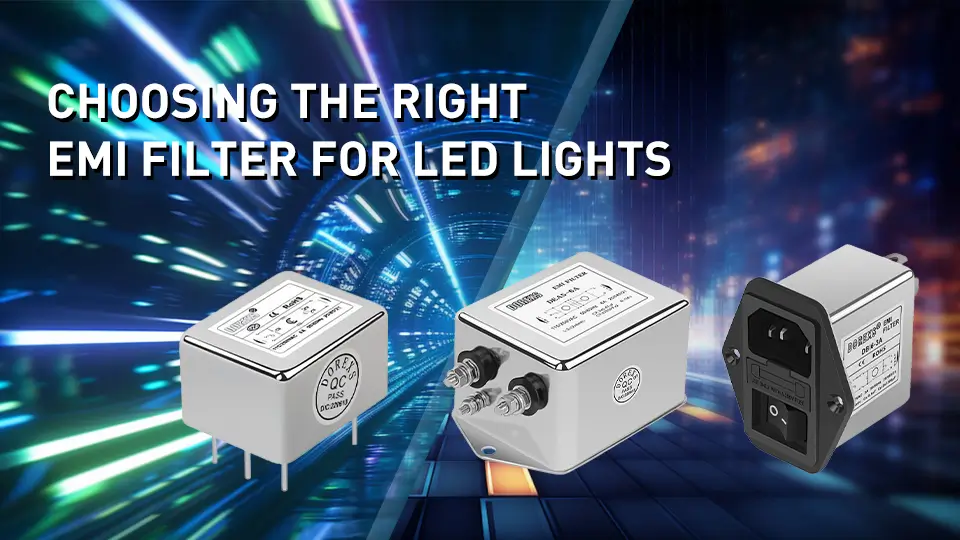
EMI filter design is a critical factor in ensuring reliable operation of electronic devices and systems, especially when it comes to managing power line characteristics and achieving electromagnetic compatibility. Power line filters are specifically designed to reduce electrical noise and improve the performance of electronic devices, making them indispensable components in a wide range of applications, from industrial machinery to medical devices and aerospace systems.
Effective EMI filter design requires a deep understanding of electromagnetic theory, electrical noise behavior, and the specific requirements of the application. Designers use advanced simulation tools and techniques to simulate filter performance and ensure compliance with industry standards and regulatory requirements. EMI filters can be installed in power lines to minimize radiated EMI and are often used in conjunction with other mitigation strategies such as grounding and bonding for optimal results.
Selecting the right EMI filter requires consideration of factors such as filter type, size, configuration, and the unique needs of the application. Filters must be designed to meet the stringent standards of medical, military, and industrial environments, ensuring that electronic devices can withstand harsh conditions without failure. EMI filter design is multidisciplinary in nature, blending expertise from the fields of electrical engineering, electromagnetics, and materials science to create an efficient and effective solution.
As technology continues to advance, so too has the development of EMI filters, with new materials and designs designed to improve performance, reduce size, and lower cost. By integrating well-designed EMI filters into power lines and electronic systems, manufacturers can improve performance, enhance reliability, and reduce the risk of equipment failure, ensuring their products meet the highest electromagnetic compatibility standards.
Applications of EMI Power Filters
EMI power filters are widely used in electronic and electrical equipment to suppress electromagnetic interference and improve electromagnetic compatibility (EMC). Some of the main application scenarios include:
1. Industrial Automation Equipment
- Used in PLC (Programmable Logic Controllers), servo drives, and sensors to protect precision devices from high-frequency noise in power lines.
- Ensures stable production lines and high-precision control.
2. Medical Equipment
- MRI (Magnetic Resonance Imaging), CT scanners, ECG machines are highly sensitive to EMI.
- Medical-grade EMI power filters with low leakage current effectively eliminate power noise, ensuring accuracy and patient safety.
3. Household Appliances
- Air conditioners, refrigerators, washing machines, televisions, and power tools integrate EMI filters to minimize electromagnetic interference.
- Improves device reliability, extends lifespan, and enhances EMC compliance for better market competitiveness.
4. Renewable Energy Sector
- Used in solar inverters, wind power systems, and energy storage systems to reduce EMI, improve efficiency, and stabilize power quality.
- Ensures cleaner, more efficient power generation and transmission.
5. Military & Aerospace
- Ensures EMC compliance in flight control systems, navigation devices, and communication systems to enhance operational reliability and mission success.
How to Choose an EMI Power Filter?
1. Rated Current & Voltage
- Select a filter that matches the power rating of your equipment to prevent overloading.
2. Insertion Loss
- Ensure the filter provides sufficient EMI suppression for the required frequency range. Different EMI filters are designed for different frequency bands.
3. Filtering Type
- Single-phase EMI filters or three-phase EMI filters
- Single-stage, dual-stage, or multi-stage filters based on application requirements.
4. Compliance & Certifications
- Ensure the product meets UL, CE, RoHS, FCC certifications and complies with local EMI emission standards.
5. Installation Method
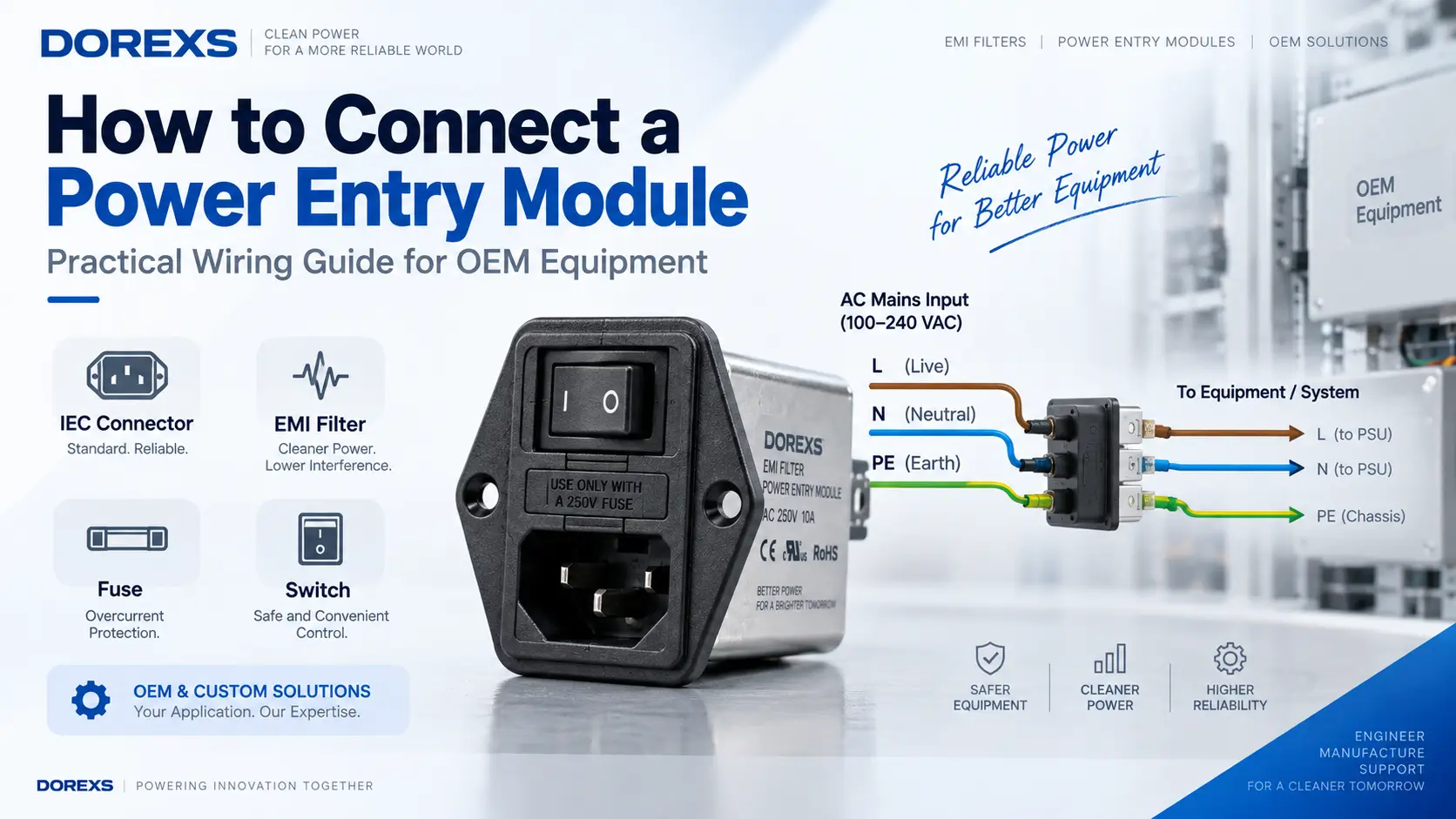
- Bolt mounting, wire leads, fast-on terminals, or terminal blocks to suit different devices.
- Proper installation enhances EMI suppression effectiveness.
As a leading manufacturer of EMI filtering solutions, DOREXS has extensive R&D experience and advanced production equipment. We are committed to providing customers with high-quality EMI filtering products and services to meet the needs of multiple fields from industrial to consumer electronics.
Understanding How Motor and Filter Work Together
What is 3 Phase EMI Filter: A Solid Guardian of the Power System