Medical Device EMC Requirements Explained Complete Guide to IEC 60601-1-2 Compliance
Introduction
Medical device EMC requirements define the electromagnetic compatibility standards that medical electrical equipment must meet to ensure patient safety and regulatory compliance. These requirements, primarily governed by IEC 60601-1-2, establish both immunity testing protocols and electromagnetic interference limits that medical devices must satisfy before entering the global market.
Understanding medical device EMC requirements is essential for achieving regulatory approval, protecting patients from equipment malfunctions, and maintaining device functionality in complex electromagnetic environments found in modern healthcare facilities.
Understanding medical device EMC requirements is essential for achieving regulatory approval, protecting patients from equipment malfunctions, and maintaining device functionality in complex electromagnetic environments found in modern healthcare facilities.

What This Guide Covers
This comprehensive guide explains IEC 60601-1-2 standard requirements, EMC testing procedures, risk management integration, and practical compliance strategies. We cover both electromagnetic immunity requirements and emission limitations, along with testing methods and certification processes.
Who This Is For
This guide is designed for medical device manufacturers, regulatory affairs professionals, and EMC engineers working on medical electrical equipment. Whether you’re developing new medical devices or updating existing products for current EMC standards, you’ll find actionable compliance strategies and technical solutions.
Why This Matters
Medical device EMC requirements directly impact patient safety, regulatory compliance, and global market access. Electromagnetic incompatibility can cause equipment malfunctions, data corruption, or device shutdowns in critical healthcare situations. Proper EMC implementation prevents these risks while enabling CE marking in the European Union and FDA clearance.
What You’ll Learn:
-
Core electromagnetic compatibility requirements for medical devices
-
IEC 60601-1-2 testing procedures and immunity requirements
-
Risk management integration and essential performance criteria
-
Step-by-step EMC certification process and compliance strategies
Understanding Medical Device EMC Fundamentals
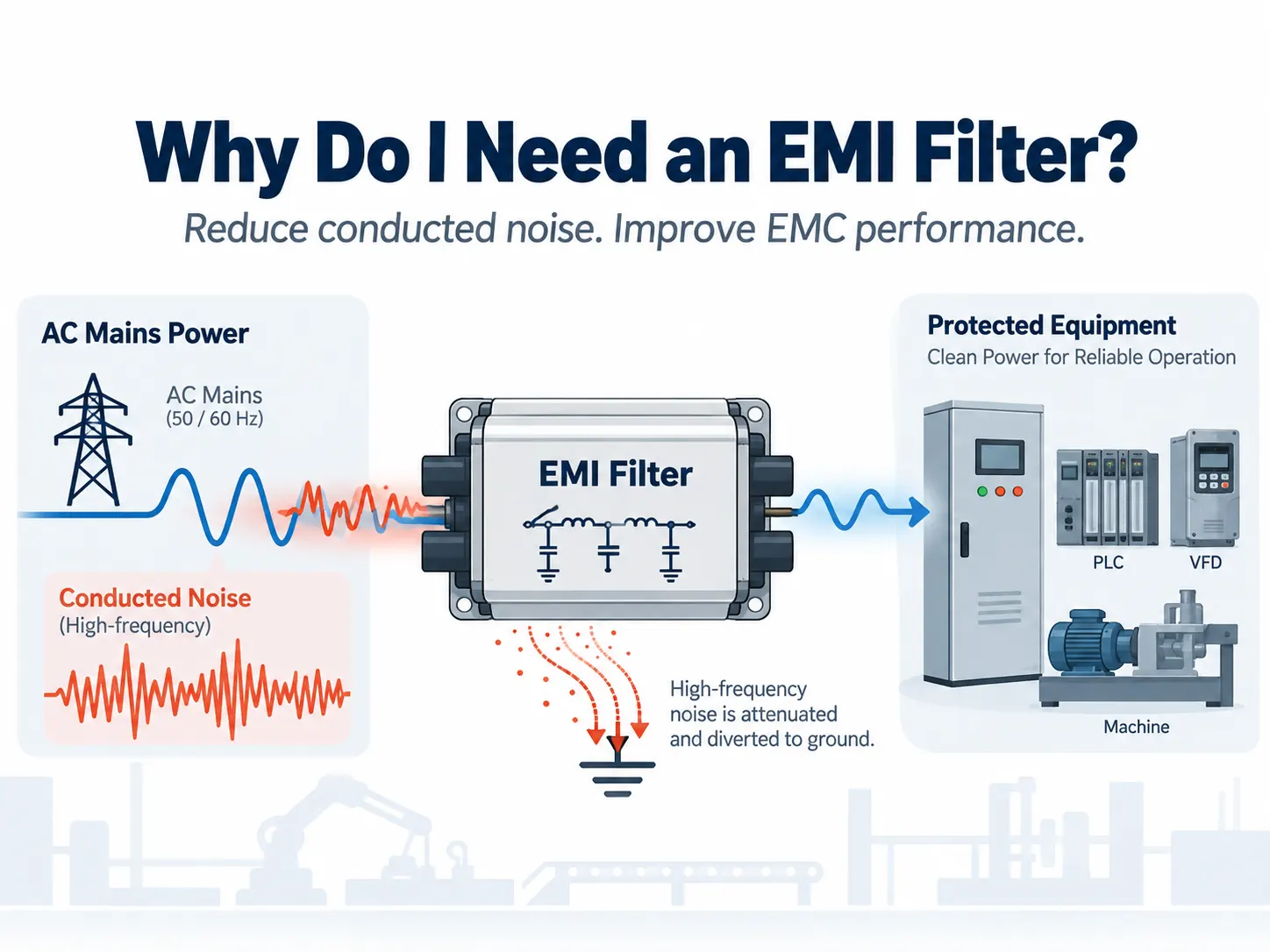
Electromagnetic compatibility (EMC) for medical devices is the ability of medical electrical equipment to function satisfactorily in its electromagnetic environment without introducing intolerable electromagnetic disturbances to other equipment in that environment.
Medical devices operate in increasingly complex electromagnetic environments where multiple electronic devices, wireless systems, and electrical equipment coexist. Hospital environments, home healthcare settings, and clinical facilities present unique electromagnetic challenges that medical equipment must withstand while maintaining basic safety and essential performance.
The fundamental concern driving medical device EMC requirements is patient safety. Equipment malfunctions caused by electromagnetic interference can directly threaten patient wellbeing, making EMC compliance a critical safety requirement rather than merely a technical specification.
Electromagnetic Emissions Requirements
Electromagnetic emissions refer to the unwanted electromagnetic energy that medical devices generate during normal operation. Medical device manufacturers must ensure their equipment does not produce electromagnetic disturbances that interfere with other devices in the same electromagnetic environment.
This connects to patient safety because medical electrical equipment operating near other critical devices—such as life supporting equipment, monitoring systems, or communication devices—must not compromise the operation of adjacent equipment through electromagnetic interference.
CISPR 11 classification requirements establish specific emission limits for medical electrical equipment based on their intended use environment and power levels, ensuring electromagnetic compatibility within healthcare facilities.
Electromagnetic Immunity Requirements
Electromagnetic immunity testing evaluates how well medical devices withstand external electromagnetic disturbances without compromising their essential performance or basic safety functions.
Building on emissions requirements, immunity requirements create complete EMC compliance by addressing both what devices put into the electromagnetic environment and how they respond to external interference. Medical devices must demonstrate immunity to electrostatic discharge, radio frequency electromagnetic fields, electrical fast transients, surge voltages, and conducted RF interference.
Essential performance criteria determine acceptable degradation levels during immunity testing, allowing devices to maintain critical functions even when exposed to electromagnetic disturbances typical of their intended use environments.
Transition: Understanding these fundamental concepts provides the foundation for navigating the specific requirements established in IEC 60601-1-2.
IEC 60601-1-2 Standard Requirements
IEC 60601-1-2:2014 (4th edition) serves as the primary EMC standard for medical electrical equipment, establishing comprehensive requirements for both electromagnetic immunity and emissions testing. The 2020 Amendment 1 created Edition 4.1, introducing significant updates to risk management requirements and testing procedures.
This standard defines the framework that medical device manufacturers must follow to demonstrate EMC compliance for regulatory submissions worldwide, including FDA 510(k) clearances, CE marking under the European Union Medical Device Regulation, and approvals from other regulatory authorities.
Risk Management Integration
ISO 14971 risk management requirements form an integral part of EMC compliance under IEC 60601-1-2. Medical device manufacturers must conduct electromagnetic risk analysis to identify potential hazards related to electromagnetic immunity and interference throughout the development process.
The Risk Management File must document EMC testing decisions, including rationale for selected test levels, essential performance criteria, and use environment classifications. This risk-based approach allows manufacturers to determine appropriate EMC testing requirements based on their specific device characteristics and intended applications.
Use environment analysis and electromagnetic risk assessment procedures help manufacturers identify the electromagnetic environment where their devices will operate, enabling targeted testing strategies that address real-world electromagnetic challenges.
Use Environment Classifications
IEC 60601-1-2 establishes three primary use environment categories, each with specific immunity test levels and performance criteria. Healthcare facilities represent controlled electromagnetic environments, while home healthcare environments present different electromagnetic challenges requiring adjusted testing approaches.
Environment-specific immunity test levels ensure medical devices can withstand electromagnetic disturbances typical of their intended operating conditions. Professional healthcare environments typically require higher immunity levels due to the presence of powerful medical equipment and complex electrical systems.
Special environments may require manufacturer-defined testing levels for complex electromagnetic situations not covered by standard classifications, such as emergency vehicles, aircraft medical systems, or facilities with unusual electromagnetic characteristics.
Essential Performance Requirements
Essential performance refers to the clinical utility and basic safety functions that medical devices must maintain during electromagnetic disturbance testing. Medical device manufacturers must identify and document these critical performance characteristics before conducting immunity tests.
Clinical utility criteria development involves determining which device functions are essential for patient safety and therapeutic effectiveness. Performance degradation acceptance levels establish the maximum allowable deviation from normal operation during EMC testing while maintaining acceptable clinical utility.
This approach connects EMC testing to real-world patient care by ensuring that electromagnetic disturbances cannot compromise the medical device’s primary therapeutic or diagnostic functions.
Transition: These standard requirements provide the framework for implementing practical EMC testing and certification processes.
EMC Testing and Certification Process
EMC testing for medical devices involves systematic evaluation of both electromagnetic emissions and immunity characteristics throughout the development process. Pre-compliance testing strategies help identify design gaps early, reducing costs and development timelines compared to discovering EMC failures during formal certification testing.

Accredited EMC testing laboratories conduct formal certification testing using standardized test methods and equipment calibrated to international standards. The certification process generates the documentation required for regulatory submissions and demonstrates compliance with applicable EMC requirements.
Step-by-Step EMC Compliance Process
When to use this: Medical device manufacturers preparing for EMC certification and regulatory submission.
-
Conduct electromagnetic risk analysis and use environment assessment: Identify electromagnetic hazards, determine intended use environments, and classify EMC requirements based on device characteristics and clinical applications.
-
Develop EMC test plan with performance criteria and acceptance levels: Define essential performance characteristics, establish immunity test levels, and document acceptance criteria for electromagnetic disturbance testing.
-
Perform pre-compliance testing to identify design gaps: Conduct preliminary EMC testing using development-stage prototypes to identify potential compliance issues and design weaknesses before formal testing.
-
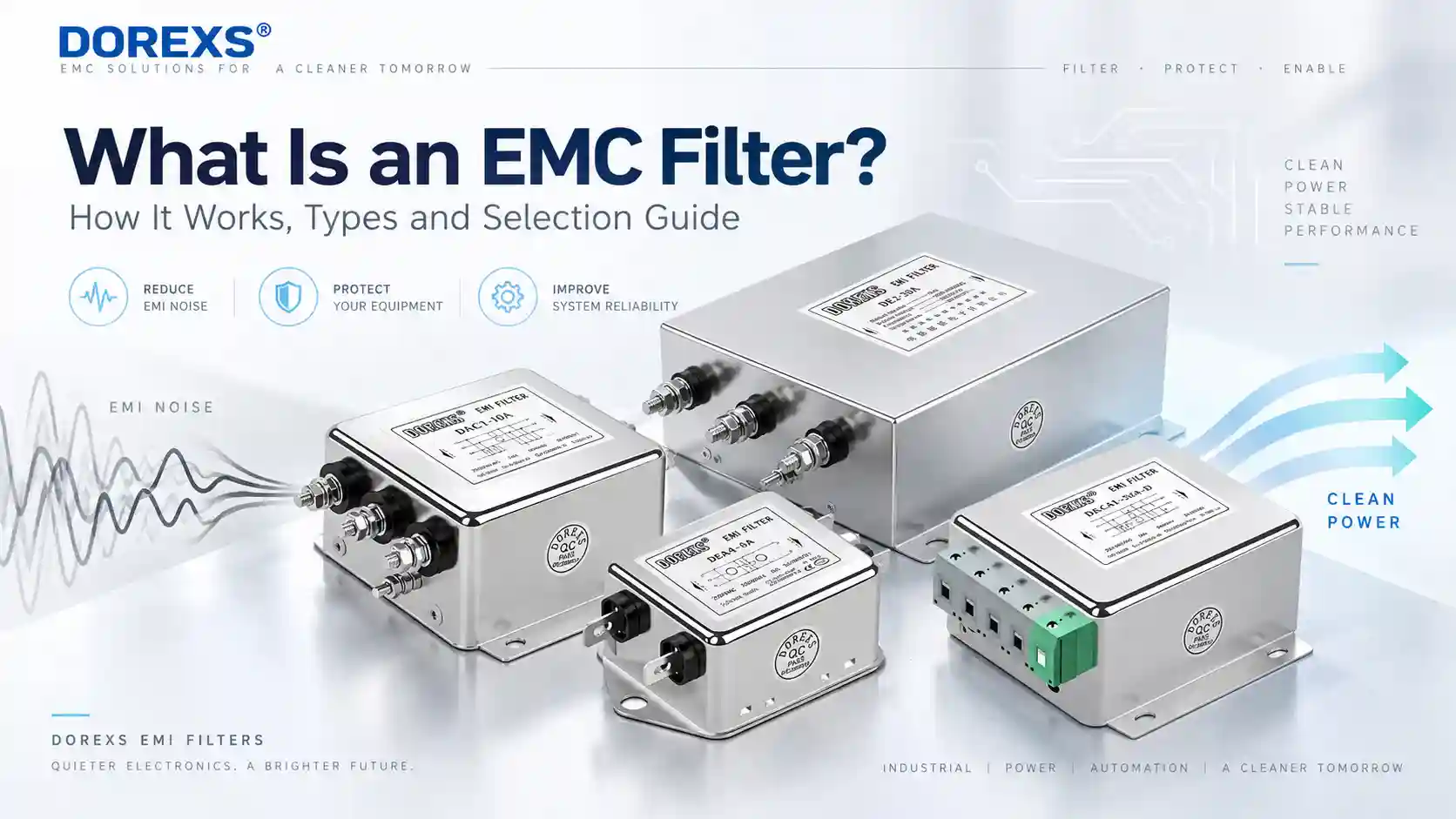
Implement EMI mitigation solutions: Address identified electromagnetic interference issues through design modifications, shielding improvements, and integration of specialized components such as DOREXS medical device EMI filter products designed specifically for medical applications.
-
Complete formal EMC testing at accredited laboratory: Execute comprehensive emissions and immunity testing according to IEC 60601-1-2 requirements using calibrated equipment and standardized test procedures.
-
Document results and obtain certification for regulatory submission: Compile test reports, risk management documentation, and compliance certificates required for FDA submissions, CE marking, or other regulatory approvals.
Comparison: IEC 60601-1-2 Edition 3 vs Edition 4
Feature |
Edition 3 |
Edition 4 |
|
Risk Management
|
Optional guidance
|
Mandatory ISO 14971 integration
|
|
Use Environments
|
Fixed categories
|
Flexible manufacturer-defined levels
|
|
Essential Performance
|
Basic safety focus
|
Comprehensive clinical utility criteria
|
|
Testing Requirements
|
Prescriptive test levels
|
Risk-based testing approach
|
Edition 4 emphasizes risk management integration and allows greater flexibility in testing approaches while maintaining rigorous safety requirements. Manufacturers can optimize their EMC compliance strategies based on specific device characteristics and intended applications rather than following one-size-fits-all testing protocols.
Migration strategies for devices previously certified under Edition 3 require careful assessment of current EMC compliance documentation and may necessitate additional testing or risk analysis updates to meet Edition 4 requirements.
Transition: Understanding the certification process highlights common challenges that manufacturers encounter during EMC compliance activities.
Common EMC Challenges and Solutions
Medical device manufacturers frequently encounter specific electromagnetic compatibility obstacles during development and certification processes. These challenges often relate to the complex electromagnetic environment in healthcare facilities and the stringent safety requirements for medical electrical equipment.
Challenge 1: Electromagnetic Interference from Power Systems
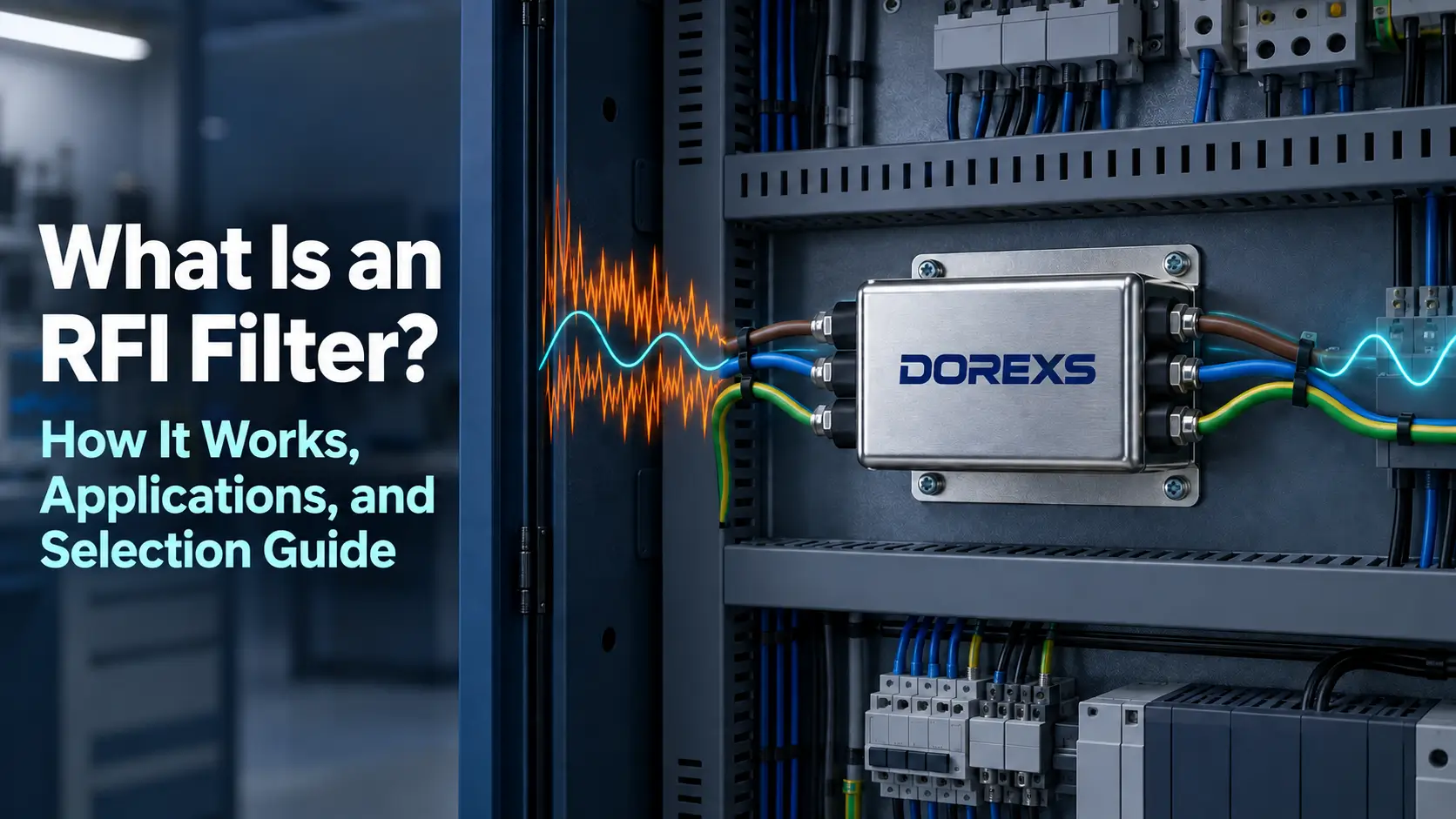
Solution: Implement proper filtering and shielding techniques including DOREXS EMI filter solutions designed specifically for medical applications to address conducted and radiated interference from power lines and electrical systems.
DOREXS medical device EMI filters provide high attenuation of electromagnetic interference across medical frequency bands while meeting the strict leakage current requirements and reliability standards required for medical electrical equipment.
DOREXS medical device EMI filters provide high attenuation of electromagnetic interference across medical frequency bands while meeting the strict leakage current requirements and reliability standards required for medical electrical equipment.
Challenge 2: Radiated Immunity Failures at High Frequencies
Solution: Redesign enclosures with improved shielding effectiveness and cable management to prevent radio frequency interference from penetrating sensitive electronic circuitry.
Modern hospital environments contain numerous wireless devices, communication systems, and high-frequency electronic equipment that can cause immunity test failures if medical devices lack adequate electromagnetic shielding and proper cable routing.
Modern hospital environments contain numerous wireless devices, communication systems, and high-frequency electronic equipment that can cause immunity test failures if medical devices lack adequate electromagnetic shielding and proper cable routing.
Challenge 3: Essential Performance Degradation During Testing
Solution: Refine clinical utility criteria and acceptable performance levels through comprehensive risk analysis that balances electromagnetic immunity requirements with practical clinical functionality.
Careful definition of essential performance characteristics helps manufacturers establish realistic acceptance criteria that maintain patient safety while acknowledging that some temporary performance variations may be acceptable during electromagnetic disturbance events.
Transition: These solutions provide practical approaches for overcoming EMC compliance challenges and achieving successful certification.
Careful definition of essential performance characteristics helps manufacturers establish realistic acceptance criteria that maintain patient safety while acknowledging that some temporary performance variations may be acceptable during electromagnetic disturbance events.
Transition: These solutions provide practical approaches for overcoming EMC compliance challenges and achieving successful certification.
Conclusion and Next Steps
Medical device EMC requirements represent a critical safety and regulatory compliance framework that ensures medical electrical equipment can operate safely and effectively in complex electromagnetic environments. Success requires systematic application of IEC 60601-1-2 standards, comprehensive risk management, and strategic use of EMI mitigation solutions.
To get started:
To get started:
-
Conduct electromagnetic risk assessment for your device: Identify potential electromagnetic hazards, classify your intended use environment, and determine applicable EMC requirements based on device characteristics.
-
Develop EMC test plan aligned with IEC 60601-1-2 requirements: Define essential performance criteria, select appropriate test levels, and establish acceptance criteria for immunity testing.
-
Partner with accredited EMC testing laboratory for certification: Engage qualified testing facilities early in the development process to optimize testing strategies and ensure efficient certification timelines.
Related Topics: Consider broader medical device regulatory requirements including quality management systems, clinical evaluation processes, and post-market surveillance obligations that complement EMC compliance in achieving global market access.
What Causes Power Line Noise in Industrial Systems
Common EMC Test Failures and How to Avoid Them