Understanding What is the Difference Between EMI and RFI Filter
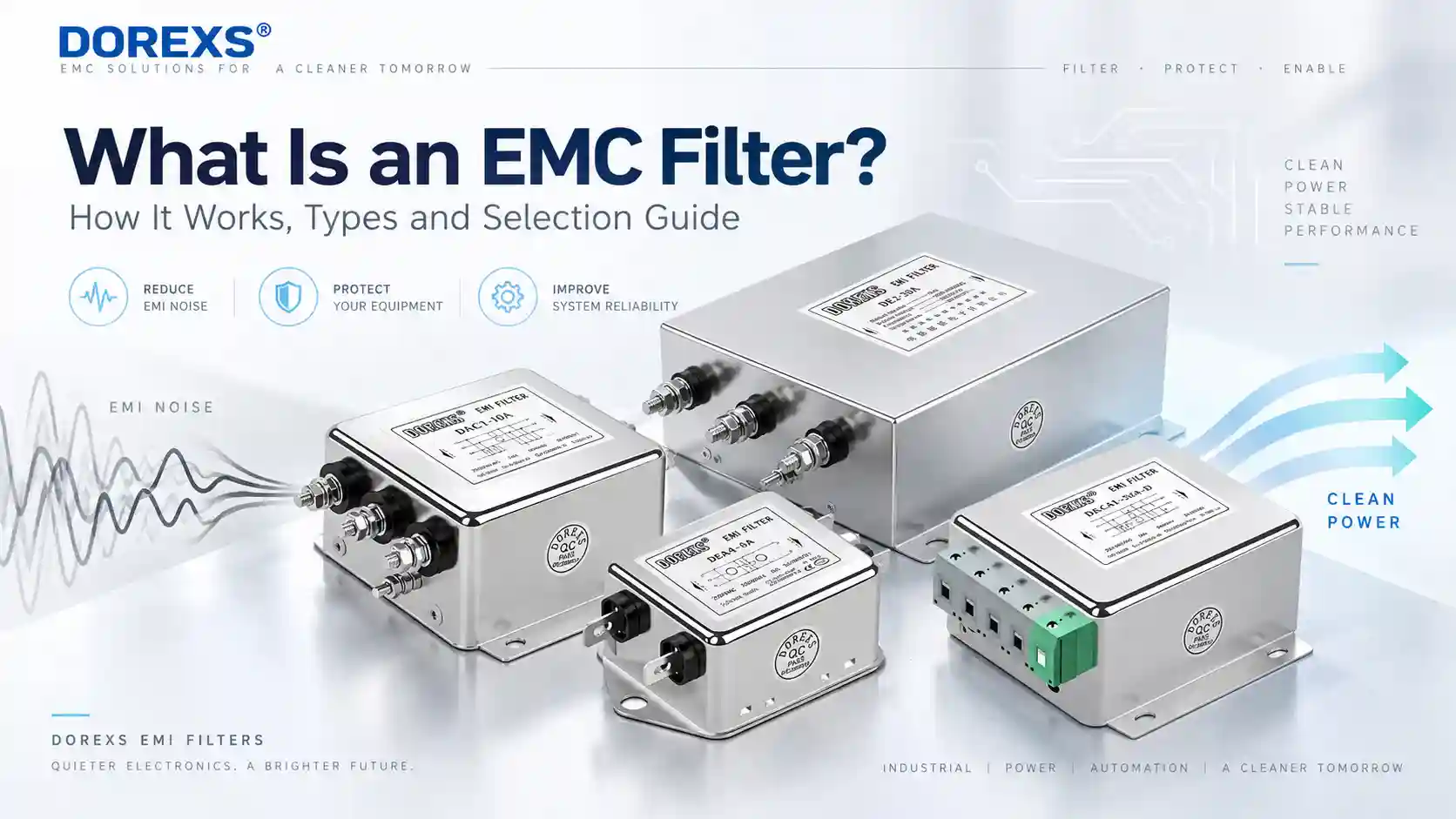
What is the difference between EMI and RFI filters? Simply put, EMI filters mitigate a broad spectrum of electromagnetic interference, while RFI filters are specialized for radio frequencies between 3 kHz and 300 GHz. This article will explore their distinct functions, typical applications, and how to choose the right filter for effective device protection.
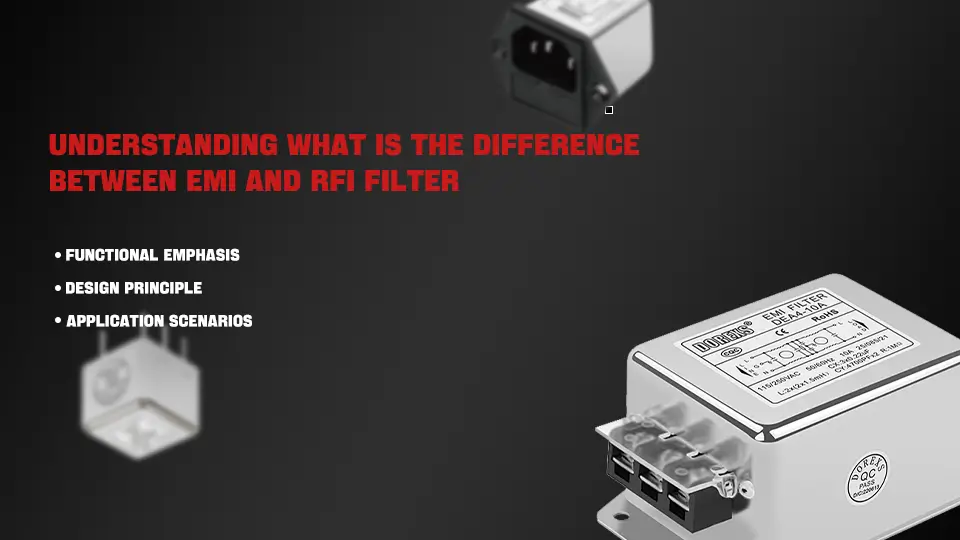
Key Takeaways
- EMI and RFI filters are essential for preventing unwanted interference in electronic devices, allowing only desired signals to function properly.
- EMI filters operate primarily within the frequency range of 10 kHz to 1 GHz, while RFI filters target frequencies from 3 kHz to 300 GHz, making them suitable for different applications.
- Choosing the right filter involves considering voltage and current ratings, temperature ranges, form factor, and compatibility to ensure optimal performance and reliability.
Defining EMI and RFI Filters

Electromagnetic interference (EMI) and radio frequency interference (RFI) might sound like technical jargon, but their impact is felt in our daily lives. EMI refers to unwanted electric currents that disrupt the intended currents in electrical and electronic devices and can affect an electrical circuit. These disturbances, including electrical noise, can come from various external sources, including power lines, motors, and even other electronic devices. On the other hand, RFI specifically targets interference within the radio frequency ranges, typically between 3 kHz and 300 GHz, and is a form of electromagnetic radiation, including radio waves and electromagnetic waves, often influenced by the incident wave.
EMI filters block unwanted electromagnetic noises and safeguard devices from disruptions. Both consumer electronics and industrial machinery benefit from this uninterrupted performance. EMI/RFI filters are designed to eliminate this unwanted noise, allowing desirable signals to pass through while blocking the unwanted frequencies.
These filters ensure that electronic devices operate correctly and reliably, maintaining the integrity of the electromagnetic spectrum. Whether it’s ensuring clear communication in a bustling office or maintaining the functionality of sensitive medical equipment, EMI and RFI filters play a crucial role in our modern, connected world.
DOREXS specializes in EMI power filters and can provide customized EMI solutions for a variety of industries.
The Working Principle of EMI Filters
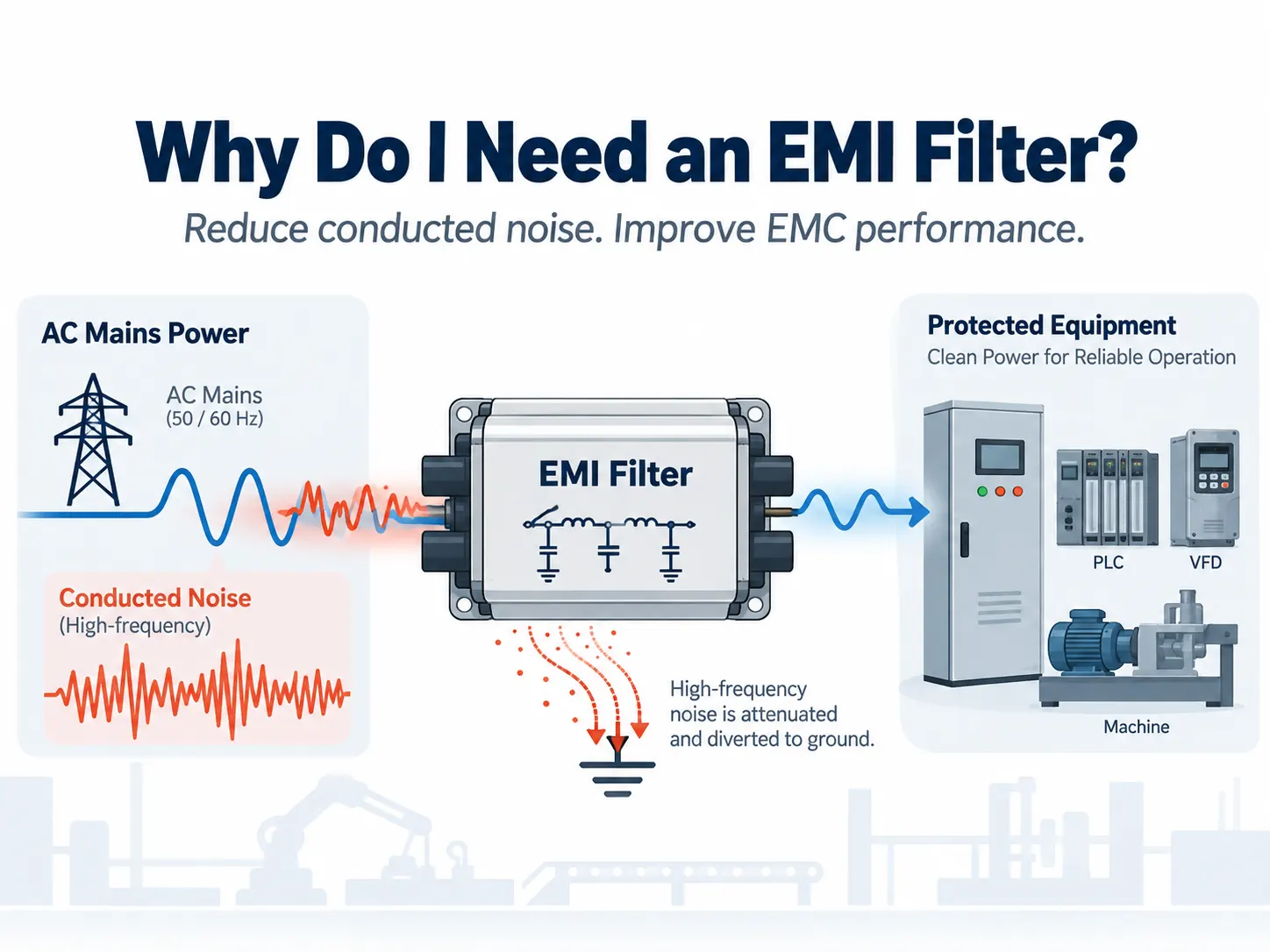
To appreciate how EMI filters guard our devices, we need to peek under the hood. The primary function of EMI filters is to suppress electromagnetic noise that can disrupt electronic devices. These filters are designed specifically to block conducted EMI, a form of unwanted electromagnetic noise that travels along electrical circuits.
Using low-pass filtering techniques, EMI filters block high-frequency noise while permitting essential signals. Capacitors and inductors collaborate to filter out unwanted frequencies, including low frequencies and lower frequencies. By selectively targeting specific frequency ranges, these filters can be tailored to provide optimal intrinsic protection against both EMI and RFI interference.
EMI filters manage unwanted current by diverting it to the ground or back to its source, preventing performance issues and ensuring smooth, reliable operation of electronic devices in common mode. It’s like having a bouncer at a club, only letting in the guests who belong there and keeping out the troublemakers. EMI filters work effectively in this role.For more information about EMI radiation: sources, effects, and ways to mitigate it, see our detailed article.
Using low-pass filtering techniques, EMI filters block high-frequency noise while permitting essential signals. Capacitors and inductors collaborate to filter out unwanted frequencies, including low frequencies and lower frequencies. By selectively targeting specific frequency ranges, these filters can be tailored to provide optimal intrinsic protection against both EMI and RFI interference.
EMI filters manage unwanted current by diverting it to the ground or back to its source, preventing performance issues and ensuring smooth, reliable operation of electronic devices in common mode. It’s like having a bouncer at a club, only letting in the guests who belong there and keeping out the troublemakers. EMI filters work effectively in this role.For more information about EMI radiation: sources, effects, and ways to mitigate it, see our detailed article.
How RFI Filters Operate
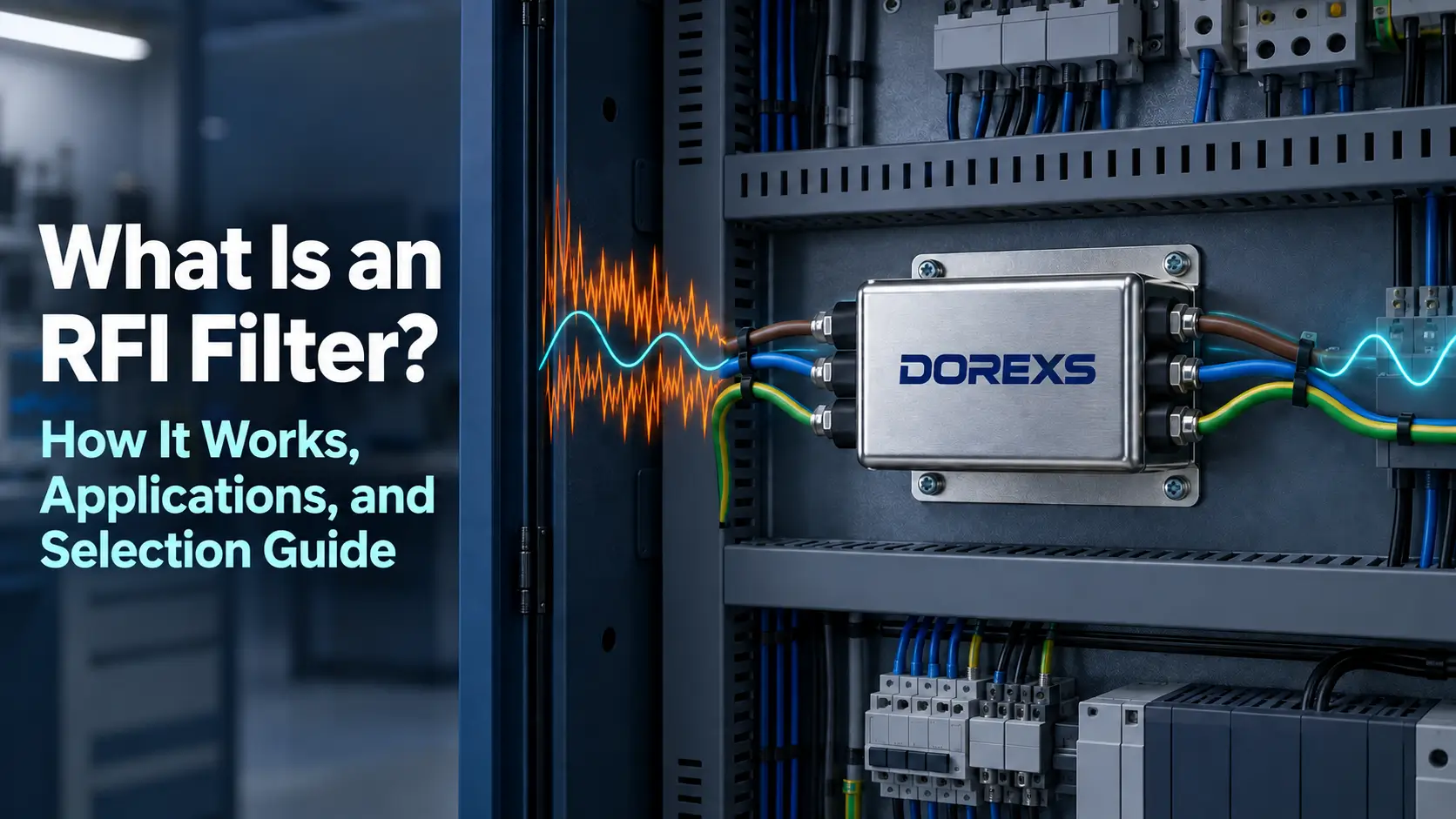
While similar to EMI filters, RFI filters uniquely tackle interference using passive components arranged as a dual low-pass filter. Capacitors and inductors in RFI filters block both conducted and radiated RFI.
RFI filters attenuate radio frequency energy and trap noise, preventing interference from affecting device performance. This is vital for communication devices, where clear signal integrity is crucial, ensuring radios, televisions, and communication systems operate without disruption. RFI affect devices differently.
RFI filters guard the airwaves, ensuring only intended signals reach their destination while keeping unwanted noise at bay, thus maintaining the clarity and reliability of electronic communications with an rfi filter and signal lines.
RFI filters attenuate radio frequency energy and trap noise, preventing interference from affecting device performance. This is vital for communication devices, where clear signal integrity is crucial, ensuring radios, televisions, and communication systems operate without disruption. RFI affect devices differently.
RFI filters guard the airwaves, ensuring only intended signals reach their destination while keeping unwanted noise at bay, thus maintaining the clarity and reliability of electronic communications with an rfi filter and signal lines.
Key Differences Between EMI and RFI Filters

Though both EMI and RFI filters protect devices from unwanted interference, they function in different frequency ranges and serve distinct purposes. EMI filters target 10 kHz to 30 MHz for conducted emissions and up to 1 GHz for radiated emissions, while emi and rfi shielding and board level shielding target a frequency range of 3 kHz to 300 GHz, including higher frequencies, high frequency emissions, and specific frequencies.
Applications differ as well. EMI filters are commonly used in military devices and automotive settings due to their broad protection spectrum, essential in environments with varied electromagnetic disturbances. RFI filters are critical for devices like televisions and radios, which are susceptible to high-frequency signals.
EMI filters let desired signals pass while eliminating high-frequency noise, ensuring proper shielding effectiveness of device functioning. RFI shielding minimizes noise interference for better signal clarity in telecommunications. EMI shielding and understanding these differences aids in selecting the right filter for specific applications, enhancing noise immunity.
Both EMI and RFI filters are crucial for maintaining electromagnetic compatibility, preventing interference from disrupting electronic devices. Using the right filter for the right application ensures devices operate smoothly, free from disturbances that cause malfunctions.
Common Applications of EMI Filters

EMI filters are found everywhere, from homes to industrial settings. In households, they are in appliances and office machinery, reducing electromagnetic interference for smooth operation. Imagine the chaos if your fridge or computer constantly malfunctioned due to electromagnetic noise!
Single-phase EMI/RFI filters are used in test equipment, power supplies, and motor drives to protect sensitive components from interference, ensuring device accuracy and reliability. In industrial systems, three-phase EMI filters are crucial, especially in three-phase power systems.
In the medical field, EMI filters ensure the reliability of sensitive equipment, protecting patient safety and the accuracy of readings. Communication systems also benefit, with enhanced performance due to reduced noise and clear signals. Whether in a hospital, factory, or home, EMI filters are essential for maintaining electronic functionality and reliability.
DOREXS can provide corresponding EMI solutions and EMI filters in the medical, industrial, home appliances and military fields.
Typical Uses for RFI Filters

RFI filters protect electronic devices and other devices from disruptive noise, commonly used in consumer electronics to shield devices from radio frequency signals that cause operational failures. Whether your smartphone or smart TV, RFI filters ensure these gadgets work seamlessly.
Both wired and wireless communication devices rely heavily on RFI filters for clear signal integrity. These filters prevent unwanted noise from interfering with transmission, ensuring uninterrupted communication, crucial in emergency communication systems where reliable signals are vital.
RFI filters in medical equipment prevent interference that could compromise patient safety and the reliability of sensitive electronic components readings, ensuring compliance with electromagnetic compatibility standards and maintaining accuracy and reliability with conductive material.
From consumer electronics to life-saving medical devices, RFI filters are indispensable in our technologically advanced world.
Selecting the Right Filter for Your Needs
Choosing the right filter involves several critical considerations. The rated voltage of the EMI filter must exceed the device’s maximum input line voltage, especially when dealing with high voltages. Additionally, the filter’s rated current should meet or exceed the device’s maximum steady-state current.
Filters have ambient temperature ratings typically ranging from 40°C to 75°C. Select a filter that operates effectively within this range. Additionally, ensure the filter configuration matches the power system setup, like single-phase or three-phase, for compatibility and optimal performance.
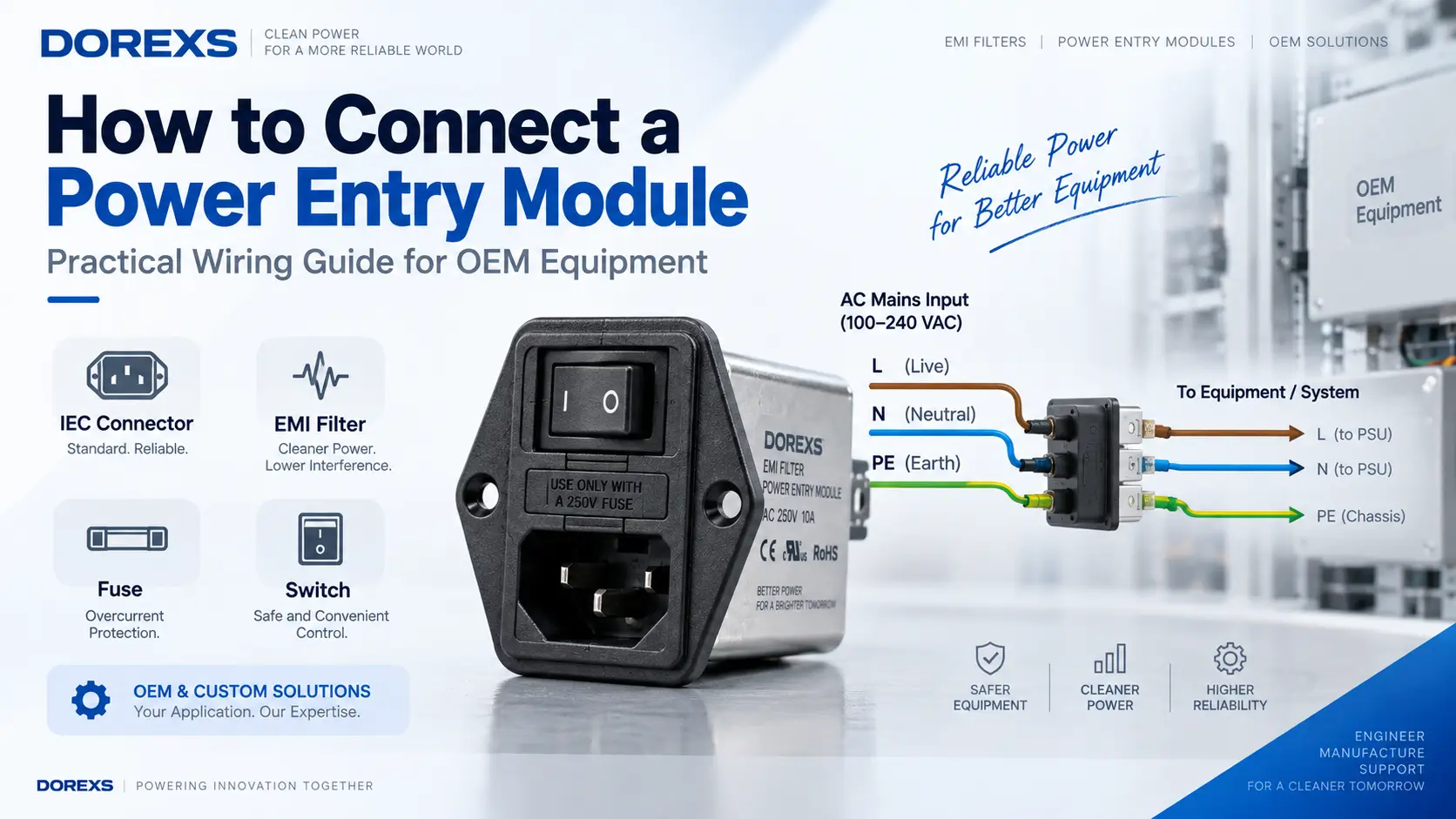
In limited spaces, selecting the appropriate size and weight of EMI/RFI filters is crucial for installation and functionality. Proper grounding is critical for safety and high-frequency performance. Installing DOREXS EMI filters improves electromagnetic compatibility, helping devices meet regulatory standards and reducing operational failures.
Choosing the right filter protects your devices and ensures optimal performance and longevity. Considering these factors helps select a filter that meets your specific needs, providing reliable protection against electromagnetic interference.
Filters have ambient temperature ratings typically ranging from 40°C to 75°C. Select a filter that operates effectively within this range. Additionally, ensure the filter configuration matches the power system setup, like single-phase or three-phase, for compatibility and optimal performance.
In limited spaces, selecting the appropriate size and weight of EMI/RFI filters is crucial for installation and functionality. Proper grounding is critical for safety and high-frequency performance. Installing DOREXS EMI filters improves electromagnetic compatibility, helping devices meet regulatory standards and reducing operational failures.
Choosing the right filter protects your devices and ensures optimal performance and longevity. Considering these factors helps select a filter that meets your specific needs, providing reliable protection against electromagnetic interference.
Combining EMI and RFI Filtering Solutions
In high-interference environments, combining EMI and RFI filters offers enhanced protection. Combined EMI/RFI filters provide tailored solutions targeting specific frequency ranges, mitigating both types of interference for comprehensive device protection.
Using both EMI and RFI filtering techniques significantly improves the overall electromagnetic compatibility of electronic systems. These combined solutions address a wide range of disturbances, maintaining optimal device performance and reliability. Integrating both solutions is crucial in high-interference environments like industrial settings and communication hubs.
To enhance performance, EMI filters are paired with shielding techniques to block radiated EMI, ensuring protection from both conducted and radiated interference. Implementing both EMI and RFI filters together effectively mitigates various forms of electromagnetic interference, ensuring smooth operation of electronic devices.
Using both EMI and RFI filtering techniques significantly improves the overall electromagnetic compatibility of electronic systems. These combined solutions address a wide range of disturbances, maintaining optimal device performance and reliability. Integrating both solutions is crucial in high-interference environments like industrial settings and communication hubs.
To enhance performance, EMI filters are paired with shielding techniques to block radiated EMI, ensuring protection from both conducted and radiated interference. Implementing both EMI and RFI filters together effectively mitigates various forms of electromagnetic interference, ensuring smooth operation of electronic devices.
DOREXS EMI Filter: A Closer Look

DOREXS EMI filters minimize electromagnetic interference in various applications, ensuring reliable operation in high-noise environments. Available in a few types for single-phase, three-phase, and DC electrical systems, they adapt to various power supply needs, including those that utilize a ferrite bead.
DOREXS EMI filters’ versatility makes them suitable for a wide range of applications, from industrial equipment to medical devices. Minimizing electromagnetic interference, these filters ensure the reliability and accuracy of sensitive equipment, protecting patient safety and the integrity of critical operations.
DOREXS EMI filters reliably minimize electromagnetic interference, ensuring devices operate smoothly and efficiently. Whether in industrial machinery or hospital equipment, DOREXS EMI filters provide the necessary protection to maintain optimal performance in high-noise environments.
Summary
In summary, understanding the differences between EMI and RFI filters is crucial for selecting the right protection for your electronic devices. EMI filters primarily target broader frequency ranges and are used in applications ranging from household appliances to industrial machinery. RFI filters, on the other hand, focus on radio frequency interference, protecting devices like consumer electronics and communication systems from high-frequency noise.
Both types of filters play a vital role in ensuring electromagnetic compatibility, preventing disruptions that can lead to operational failures. By considering factors such as rated voltage, current, and ambient temperature, you can select the right filter for your needs, ensuring optimal device performance and reliability.
As we navigate the complex landscape of electromagnetic interference, the importance of EMI and RFI filters becomes clear. These filters are the unsung heroes that keep our devices running smoothly, allowing us to enjoy the benefits of our technologically advanced world without the disruptions of unwanted noise.
Both types of filters play a vital role in ensuring electromagnetic compatibility, preventing disruptions that can lead to operational failures. By considering factors such as rated voltage, current, and ambient temperature, you can select the right filter for your needs, ensuring optimal device performance and reliability.
As we navigate the complex landscape of electromagnetic interference, the importance of EMI and RFI filters becomes clear. These filters are the unsung heroes that keep our devices running smoothly, allowing us to enjoy the benefits of our technologically advanced world without the disruptions of unwanted noise.
Frequently Asked Questions
What is the primary difference between EMI and RFI filters?
The primary difference between EMI and RFI filters is that EMI filters encompass a wider range of frequencies, whereas RFI filters focus specifically on mitigating radio frequency interference. Consequently, when selecting a filter, it is essential to consider the type of interference you aim to reduce.
Why are EMI filters important in industrial applications?
EMI filters are crucial in industrial applications as they effectively reduce electromagnetic interference, thereby ensuring the reliable operation of machinery and electronic systems. Their implementation is essential for maintaining system integrity and performance.
How do RFI filters protect consumer electronics?
RFI filters protect consumer electronics by shielding devices from disruptive radio frequency signals, thereby preventing operational failures. This ensures reliable performance by minimizing interference.
What factors should be considered when selecting an EMI filter?
When selecting an EMI filter, it is crucial to consider the rated voltage and current, ambient temperature, and ensure proper grounding to ensure optimal performance. These factors directly influence the effectiveness and reliability of the filter in your application.
Can EMI and RFI filters be used together?
Using EMI and RFI filters together is effective in providing comprehensive protection against various electromagnetic disturbances. This combination enhances the overall performance and reliability of electronic systems.
Why is Power Conserved in Transformers? Understanding the Core Principle
Top Power Supply Noise Filter Solutions for Cleaner Electrical Signals