Top Techniques to Filter Electrical Noise: Boost Your Circuit Performance
Electrical noise can disrupt your electronic circuits and degrade performance. In this guide, learn how to filter electrical noise and improve your device’s reliability. We’ll cover the causes, types of filters, and practical tips for effective noise reduction.
Key Takeaways
-
Electrical noise disrupts circuit performance and can originate from sources like switching power supplies, motors, and relays.
-
Noise filters, such as EMI, RFI, and power line filters, are essential in attenuating unwanted signals and enhancing the performance of electronic systems.
-
Proper selection, installation, and maintenance of noise filters are critical to achieving long-term reliability and optimal functionality in various applications.
Understanding Electrical Noise
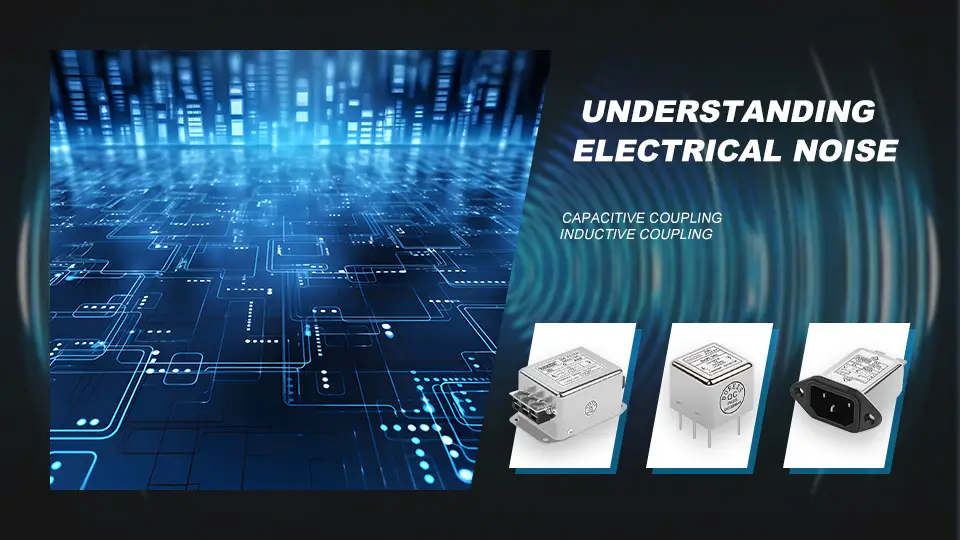
Electrical noise is the bane of any electronic circuit. These unwanted signals can sneak into your system through various coupling mechanisms, wreaking havoc on its performance. Whether it’s capacitive coupling, where high voltage conductors transfer energy to adjacent conductors, or inductive coupling, where a magnetic field from one conductor induces voltage in another, electrical noise can disrupt the smooth functioning of your circuits.
The consequences of electrical noise are far from trivial. Imagine your smartphone dropping calls or your gaming console freezing mid-game – these are just a few examples of how electrical noise can affect connected equipment malfunction and inefficiency. Recognizing this pervasive problem is crucial for combating it effectively.
Common Sources of Electrical Noise
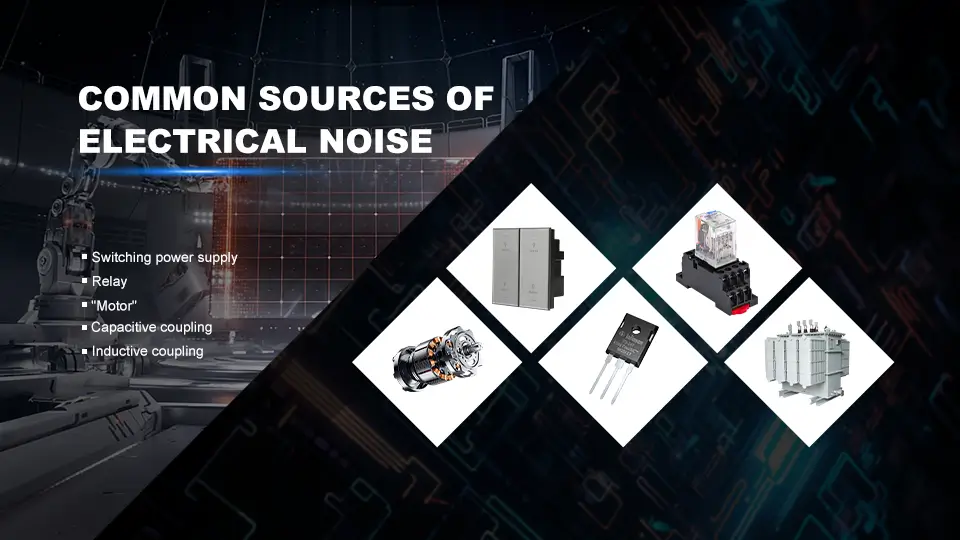
Electrical noise can originate from a variety of sources, each with its own unique characteristics. Switching power supplies, for instance, are notorious for generating high-frequency noise due to their rapid on-off switching of currents. Relays, on the other hand, produce electromagnetic interference by creating abrupt changes in current flow.
Motors are another common culprit, emitting electrical noise due to the rapid changes in magnetic fields during operation. Additionally, capacitive coupling and inductive coupling can introduce noises into your circuits, leading to significant disruptions and inefficiencies. Identifying these sources helps in implementing effective noise filters, ensuring smooth operation of your electronic systems.
How Noise Filters Work
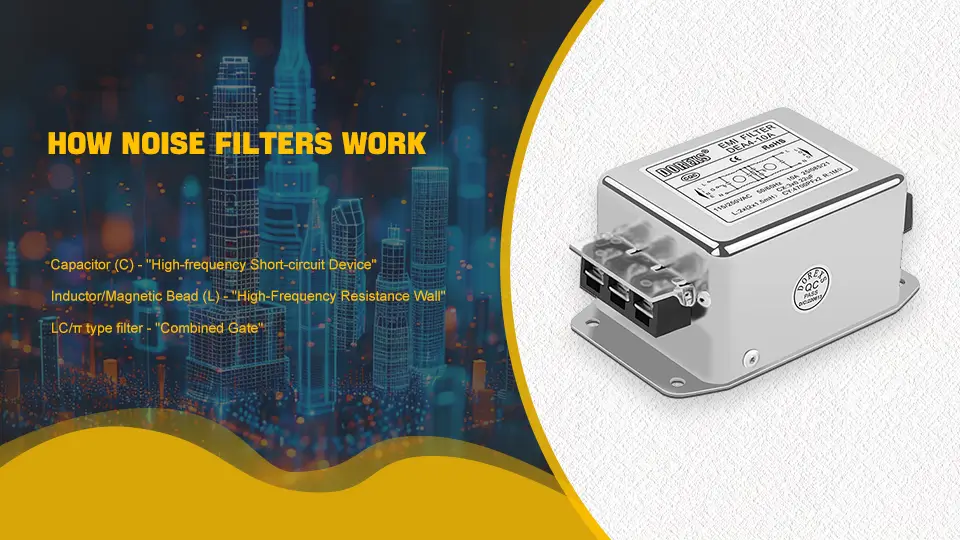
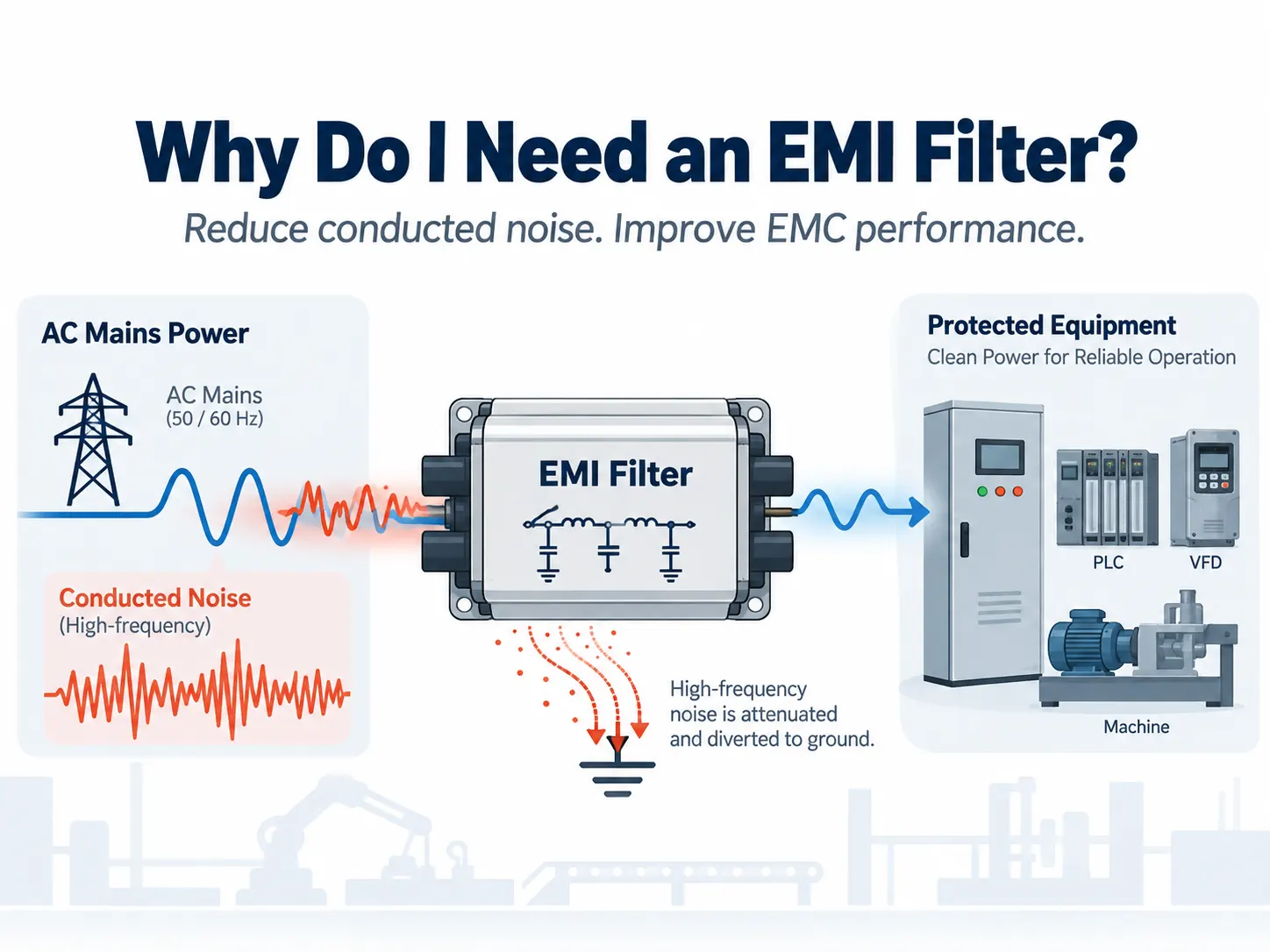
Noise filters are ingenious devices that act as gatekeepers, allowing only the desired signals to pass through while blocking unwanted electrical noise. They primarily function as low-pass filters, permitting low-frequency signals and blocking high-frequency noise. Eliminating these unwanted signals, noise filters enhance the performance of electronic systems.
Inductors and capacitors play a pivotal role in noise filtering:
-
Inductors allow low-frequency signals to pass but impede high-frequency signals due to their lower impedance at low frequencies.
-
A capacitor blocks low-frequency signals while allowing high-frequency signals to pass, thanks to their higher impedance at low frequencies.
-
When combined, these components create efficient low-pass filters that effectively reduce noise without significant signal loss.
The performance of a noise filter can be simply further enhanced by increasing the number of components, leading to steeper frequency response curves and better noise selectivity. This ensures that only the desired signals are transmitted, providing a cleaner and more reliable output.
Types of Noise Filters
Noise filters come in various types, each designed to address specific challenges posed by electrical noise. Knowing the two types of noise filters helps in selecting the right one for your application. Differential mode noise, for example, refers to line-to-line noise measured between two power conductors, while common mode noise is measured between the power line and ground potential. Each of these noise types requires a specific filter design to effectively mitigate their effects.
Noise filters can be broadly categorized into PCB filters and chassis mount filters, each with its own set of advantages depending on the application. Additionally, industry-specific emissions and safety standards play a significant role in filter selection, ensuring compliance and optimal performance.
EMI Filters
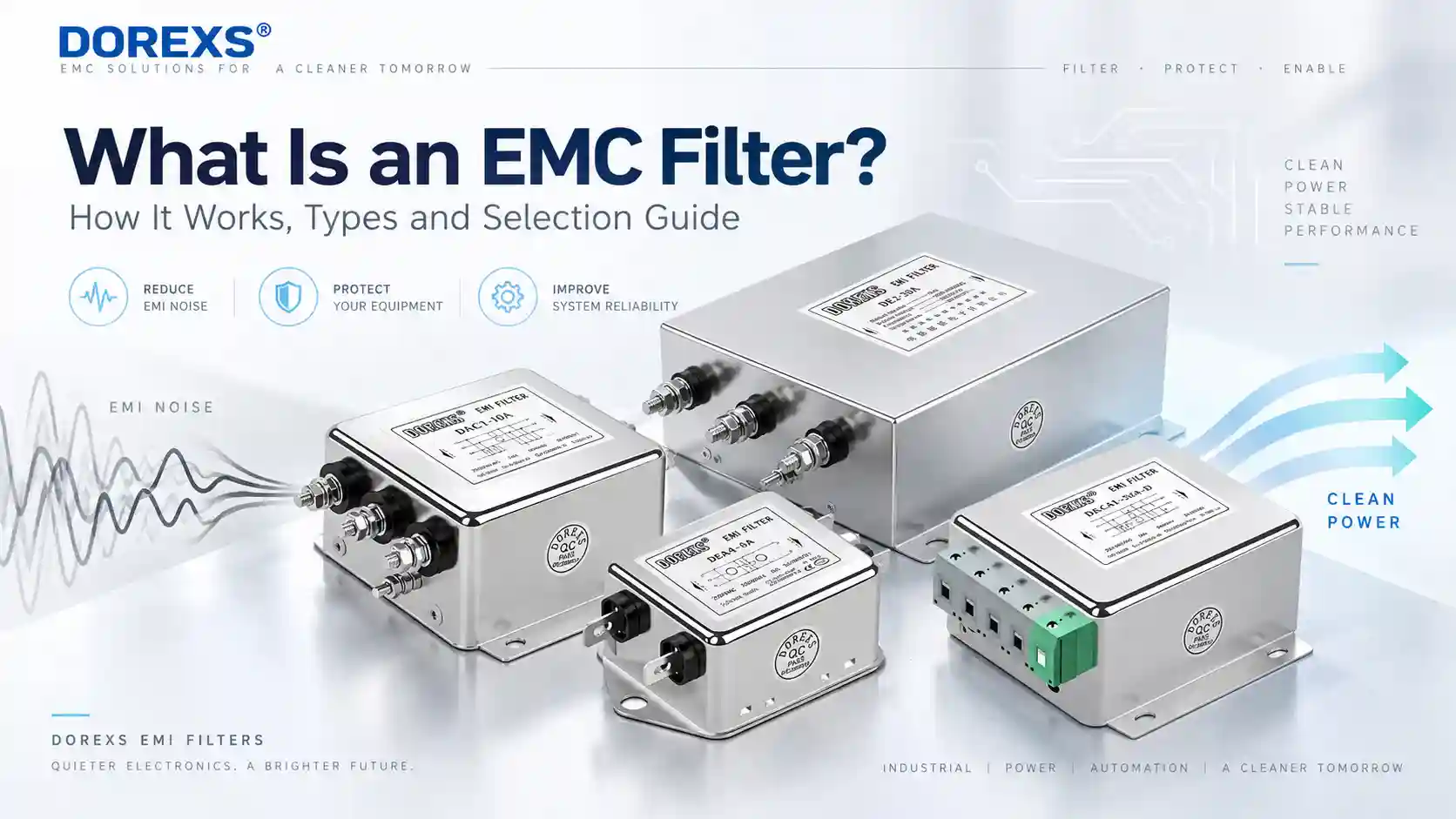
EMI (Electro Magnetic Interference) filters are designed to trap and eliminate noise, preventing it from entering or leaving your equipment. These filters are particularly effective in controlled conducted RFI (Radio Frequency Interference) within the frequency range of 10kHz to 30MHz, which is critical for electro magnetic interference concerns.
Different types of EMI filters are available to suit various applications, such as three-phase filters for motor systems and medical devices. Manufacturers like DOREXS produce specialized EMI filters used in solar panels, battery charging, and DC motor drives, ensuring that these systems operate efficiently and without interference.
RFI Filters
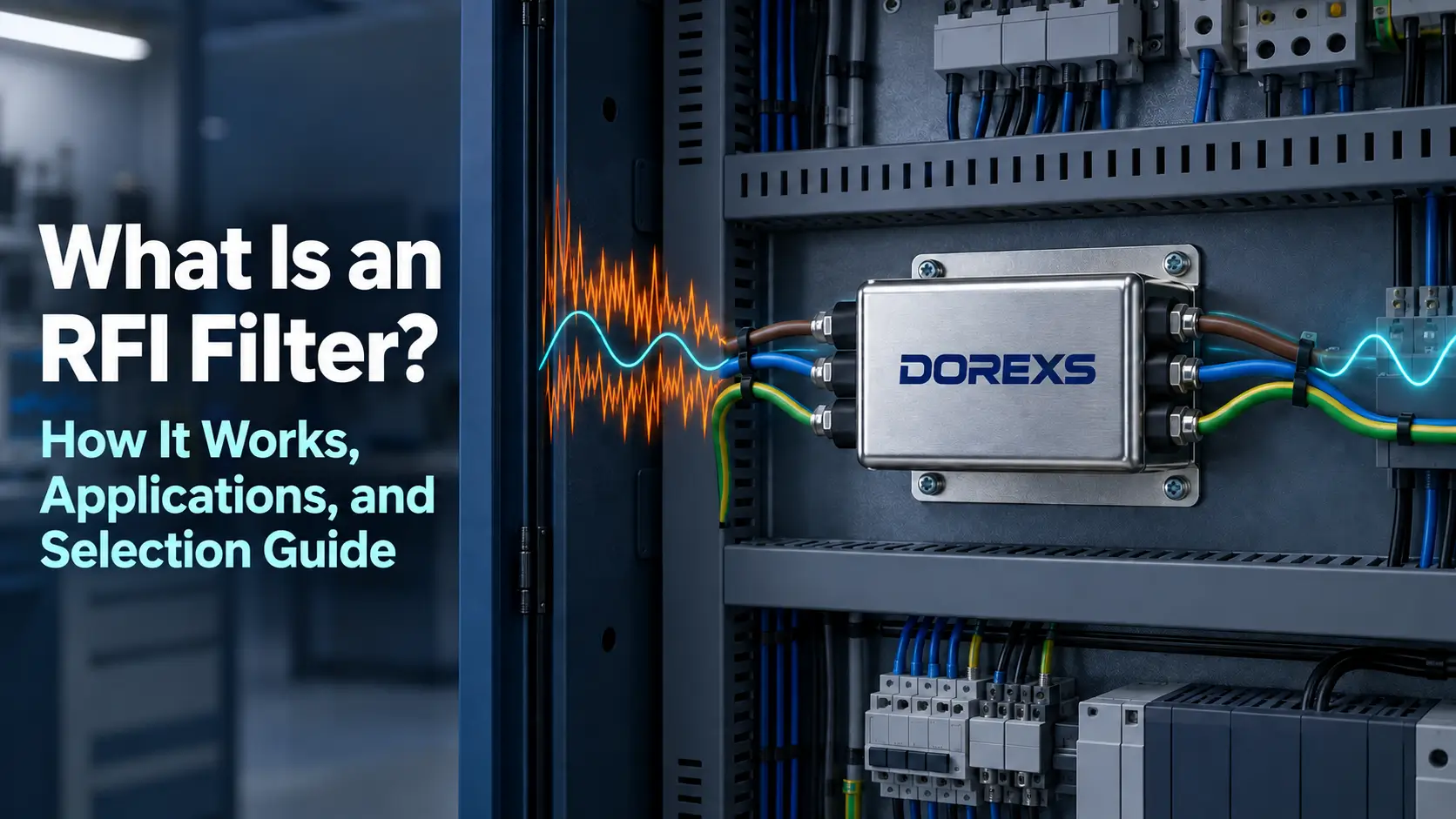
RFI (Radio Frequency Interference) filters are specifically designed to mitigate interference that can degrade the quality of communication signals. Telecommunications equipment, such as routers and modems, incorporate noise filters to comply with international electromagnetic compatibility regulations, ensuring clear and reliable communication.
These filters work by targeting the specific frequencies that cause interference, allowing the desired signals to pass while blocking the disruptive frequencies, passing through. This ensures that your communication devices function optimally, free from the distortions caused by RFI and FCC, serving their purpose effectively in various ways.
Power Line Filters
Power line filters are essential for addressing interference on AC or DC lines, providing stable performance for electrical equipment. These filters can significantly reduce noise levels, enhancing the overall efficiency and reliability of power systems.
Incorporating capacitors and inductors, power line filters block unwanted noise while allowing the desired power signals to pass through. This ensures that your electrical equipment operates smoothly, without the disruptions caused by electrical noise.
Selecting the Right Noise Filter

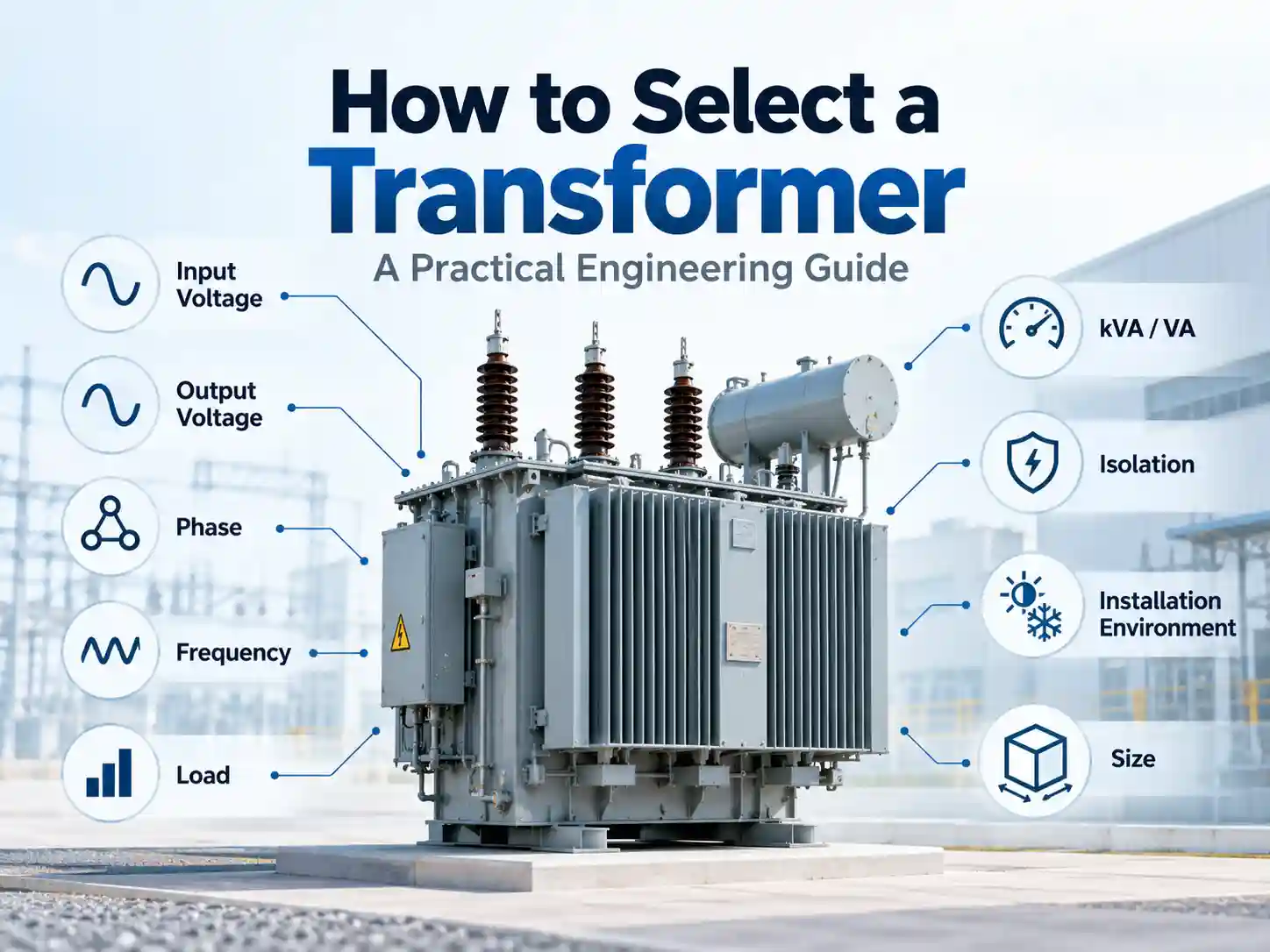
Choosing the right noise filter is crucial for ensuring optimal performance of your electronic systems. Different devices and equipment benefit from EMI filtering, and selecting the suitable filter involves several considerations. The rated voltage of the filter must match or exceed the maximum input voltage of the device it serves. Additionally, the ambient temperature rating indicates the highest temperature at which the filter can operate without losing its rated current capacity.
The number of circuit stages in a filter can enhance its performance by providing better noise suppression. When selecting a filter, consider the following factors:
-
The operating temperature range must align with the actual conditions it will face in its application.
-
The type of power supply.
-
The input impedance of the equipment.
-
The mode of RF noise.
Effective design of power line filters require considering the magnitude of each noise type present in the system over time. By carefully evaluating these factors, you can select a noise filter unit that ensures efficient and reliable operation of your electronic devices in a way that maximizes performance.
Applications of Noise Filters
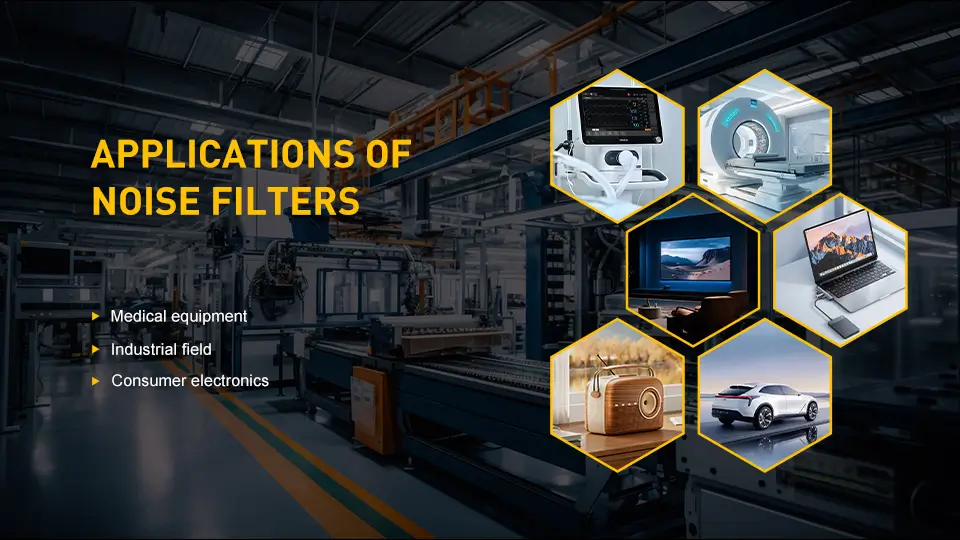
Noise filters find applications across a wide range of industries, each with its own unique requirements. In medical devices like ECGs and MRI machines, noise filters are crucial for ensuring proper signal quality and patient safety. In industrial settings, they help mitigate interference from switched-mode power supplies and motor controls, which can disrupt control systems.
Noise filters are also integral in ensuring clear communication in devices like radios, televisions, and wireless systems. In consumer electronics, such as televisions and laptops, noise filters prevent image distortion and wireless signal interference, enhancing the user experience. By meeting compliance standards and regulations, proper selection of noise filters can prevent leakage current and enhance safety.
Installation Tips for Noise Filters
Proper installation of noise filters is essential for achieving optimal performance. One of the most important aspects of installation is proper grounding, which requires low impedance connections to minimize high-frequency interference. Proper grounding and routing of circuits can significantly mitigate electrical noise and enhance system performance.
For the best results:
-
Install filters close to the source of interference to reduce the length of wiring that may propagate noise.
-
Ensure that input and output leads of the filter are kept separate to prevent crosstalk and mitigate noise propagation.
-
Use similar shielded wiring to enhance protection against radiated noise, especially on the side needing protection.
Filters should be bulkhead mounted to ensure good input-output isolation and minimize EMI coupling potential. Following these installation tips will help you achieve the best possible performance from your noise filters.
Maintaining and Testing Noise Filters
Regular maintenance and testing of noise filters are essential to ensure their long-term effectiveness and prevent malfunctions in electronic systems. Regularly inspecting noise filters for physical damage can help maintain their functionality and extend their lifespan, as issues can be found early.
Cleaning noise filters according to manufacturer recommendations prevents the accumulation of debris that can impede their effectiveness. Maintaining and testing noise filters are crucial for verifying their functionality and enhancing overall circuit performance.
Summary
Noise filters play a vital role in ensuring the smooth operation of electronic systems by eliminating unwanted electrical noise. From understanding the nature of electrical noise and its sources to selecting, installing, and maintaining the right filters, this blog post has covered all the essential aspects of noise filtering.
By implementing the techniques and tips discussed, you can significantly enhance the performance and reliability of your electronic devices. Remember, a well-chosen and properly maintained noise filter is the key to achieving optimal circuit performance and preventing unwanted disruptions.
Frequently Asked Questions
What is electrical noise and how does it affect circuits?
Electrical noise is unwanted signals caused by coupling mechanisms in circuits, which can result in equipment malfunctions and inefficiencies. Therefore, it's crucial to minimize noise to ensure optimal circuit performance.
What are common sources of electrical noise?
Common sources of electrical noise are switching power supplies, relays, motors, and capacitive and inductive coupling, all of which can significantly disrupt circuit performance. It's important to consider these factors when designing or troubleshooting electronic systems.
How do noise filters work?
Noise filters work by acting as low-pass filters that permit low-frequency signals to pass while blocking high-frequency noise, utilizing components such as inductors and capacitors to achieve this filtering effect.
What types of noise filters are available?
Noise filters include EMI filters, RFI filters, and power line filters, each designed to tackle distinct electrical noise challenges effectively. Using the appropriate filter can significantly enhance the quality of your electronic systems.
How can I select the right noise filter for my application?
To select the right noise filter, consider the rated voltage, ambient temperature, number of circuit stages, and specific noise types in your application. This approach ensures that your filter effectively addresses the noise issues relevant to your system.
DC Noise Filter - Complete Guide to Power Supply Noise Suppression
Top Power Supply Filter Design Techniques for Reliable Performance