What Does EMI Stand For in Electrical? Explore Electromagnetic Interference
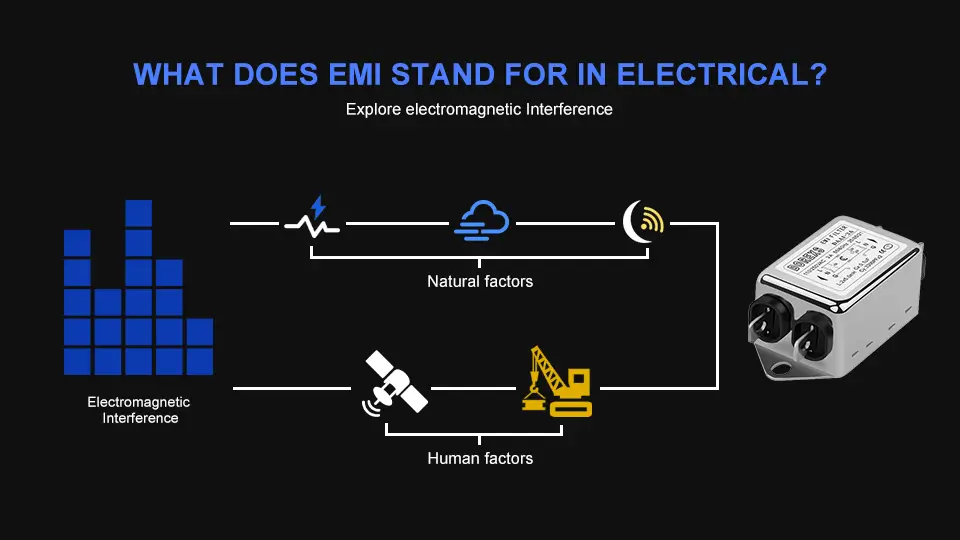
In electrical engineering, EMI stands for Electromagnetic Interference, which is also commonly referred to when discussing what does EMI stand for in electrical contexts. It refers to disturbances caused by electromagnetic fields that can impact electronic devices. This article will examine the causes, types, and ways to prevent EMI.
Key Takeaways
- Electromagnetic Interference (EMI) disrupts electrical devices through natural and human-made sources, necessitating effective management strategies.
- EMI can be categorized into three types: radiated, conducted, and coupled, each requiring distinct mitigation approaches.
- Preventative measures against EMI include shielding, grounding, adherence to standards, and utilizing EMI filters, which help maintain the reliability of electronic systems.
Understanding Electromagnetic Interference (EMI)

Electromagnetic Interference (EMI) refers to the disruption of intended electrical current in devices by unwanted currents, often termed ‘electromagnetic noise’. This interference can manifest as radio frequency interference when it operates within the radio frequency spectrum. Maintaining clear electrical paths is crucial, as even minor disruptions can cause significant damage to nearby devices.
The increasing miniaturization and complexity of electronic devices make them more susceptible to electromagnetic interference. Smaller, faster, and tightly packed electronics are particularly vulnerable, highlighting the importance of understanding EMI in modern technology. Natural sources of EMI include lightning and solar emissions, while human-made sources stem from high-power radio sources, cellphones, and malfunctioning devices, including human made emi.
Grasping the multifaceted nature of EMI is essential for anyone working with electronics. Whether you are a consumer, a technician, or an industry professional, recognizing the potential for electromagnetic disturbance is the first step toward mitigating its impacts. As we delve deeper, we will explore the sources, types, and prevention strategies for EMI, providing a comprehensive understanding of this pervasive phenomenon.
Key Sources of Electromagnetic Interference

Electromagnetic interference can arise from both natural and artificial sources, each creating varying electrical flow produces currents and voltages that disrupt other systems. Natural sources like auroras, commonly known as the northern and southern lights, produce significant electromagnetic interference. Solar flares, another natural source, can impact military equipment or transportation technologies by disrupting satellite transmissions.
On the human-made front, common sources of EMI include:
-
Ignition systems in vehicles
-
Mobile phone networks
-
Heavy machinery operation
-
Electrical transmission lines
-
Telecommunication infrastructure such as cellular towers
-
High-power radio transmitters, which create substantial electromagnetic noise, causing excessive emi.
These sources contribute to the levels of electromagnetic interference in urban areas, further complicating the modern electromagnetic landscape.
Recognizing these sources is key for effective EMI management. By recognizing the origins of electromagnetic disturbances, we can better prepare and implement strategies to minimize their impact. As we move forward, we will explore the types of EMI, providing a structured framework to understand how these interferences manifest and propagate.
Types of Electromagnetic Interference
Electromagnetic interference can be categorized into three primary types, each with distinct characteristics and propagation methods:
-
Radiated EMI: Travels through the air.
-
Conducted EMI: Moves via physical electrical paths.
-
Coupled EMI: Occurs between nearby, electrically unconnected devices.
Each type necessitates different approaches for mitigation.
Grasping these types aids in navigating EMI complexities and developing effective countermeasures.
Radiated EMI
Radiated EMI occurs when a high-power transmitter or electrical device radiates radio frequencies that affect another device. Unlike conducted EMI, radiated EMI travels through the air and does not require a physical conductor to propagate. This type of interference is particularly insidious because it can affect devices even at significant distances, making it a pervasive issue in densely populated areas with multiple high-power transmitters.
High-power transmitters, such as a radio transmitter and radio telescopes, are typical sources of radiated EMI, affecting electronic devices by emitting a specific radio frequency that interferes with their operation within the radio spectrum. This high powered electrical device produces interference that can cause significant disruptions, especially in sensitive components of electronic circuit boards.
Effective mitigation often requires robust electrical shielding and the use of metal shielding cans to block EMI. Comprehending radiated EMI is essential for protecting sensitive electronic devices and ensuring their reliable operation.
Conducted EMI
Conducted EMI refers to electromagnetic interference that travels via physical electrical paths, such as power cables and ground wires. This type of interference can be caused by the physical contact of conductors, affecting other devices on the same electrical circuit when they are turned on, as the conductor’s magnetic field induces conducted emi. Conducted noise predominantly appears as lower frequency signals compared to radiated types, making it a unique challenge for engineers.
One common pathway for conducted EMI is through the ground wire within an electrical facility, which can act as an electrical path for unwanted electromagnetic noise. To mitigate conducted EMI, techniques like using conductive tape, metal shielding cans, and separating power and data lines are often employed.
Grasping conducted EMI aids in designing robust electronic systems that can withstand and minimize interference.
Coupled EMI
Coupled EMI occurs between nearby, electrically connected devices, often through inductive or capacitive coupling. Inductively coupled EMI happens when electromagnetic fields induce voltage changes between nearby devices without direct electrical contact, whereas capacitively coupled EMI occurs through the capacitive interaction between adjacent conductors.
This type of significant interference is particularly problematic in environments with closely packed wires and counterfeit electronics and circuit boards, such as in modern error correction narrowband and broadband interference affecting sensitive components electronics and circuit boards.
Effective mitigation strategies include careful layout planning, using electrical shielding, and employing EMI filters to block unwanted noise. Recognizing coupled EMI is critical for designing and maintaining reliable electronic systems in densely packed environments.
Effects of Electromagnetic Interference on Electronics
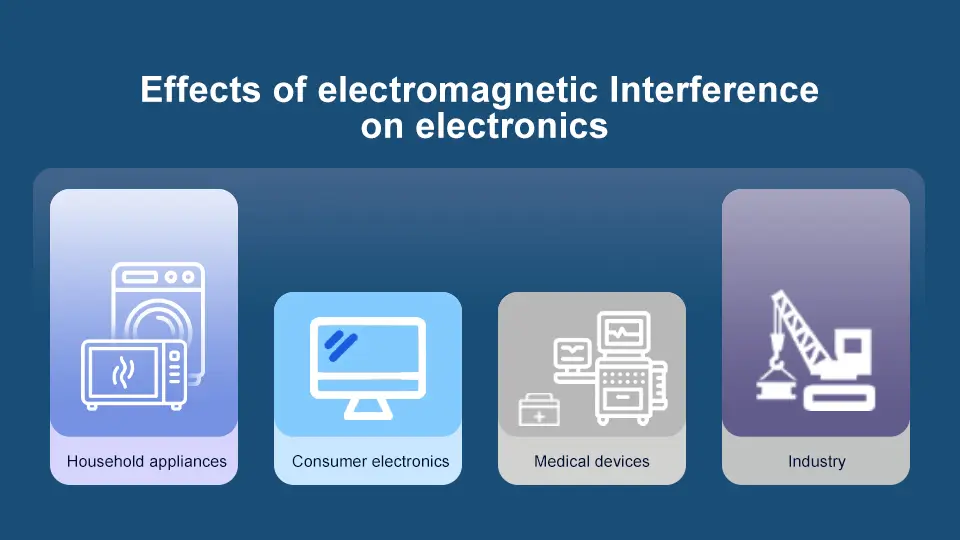
Electromagnetic interference can have profound effects on electronic devices, ranging from minor performance degradation to complete system failure. Both conducted and radiated EMI can cause hardware malfunctions, data loss, and reduced operational reliability. Recognizing the specific impacts of EMI on various equipment types is key to developing effective mitigation strategies.
This section will delve into the effects on consumer devices and industrial/medical equipment that affect electronic devices.
Effects on Consumer Devices
Electromagnetic interference can cause significant malfunctions in consumer electronics, affecting a wide range of devices from microwaves to washing machines. These malfunctions can range from minor performance issues to complete operational failures, highlighting the importance of addressing EMI in consumer products. In particular, improperly designed consumer devices are more susceptible to EMI, leading to frequent disruptions and potential permanent damage.
Wireless devices, such as mobile phones and Bluetooth devices, are also highly vulnerable to broadband emi, which can cause signal loss and connectivity issues. Addressing EMI is essential to maintain the functionality and reliability of home appliances and other consumer electronics.
Recognizing the specific impacts of EMI on these devices enables manufacturers to design more robust products less susceptible to electromagnetic disturbances.
Effects on Industrial and Medical Equipment
In industrial and medical settings, electromagnetic interference (EMI) poses significant challenges. For example, EMI can severely affect the functionality of critical medical devices like pacemakers and imaging systems, potentially risking patient safety. The failure or malfunction of essential medical equipment due to EMI can lead to critical consequences for patient health, underscoring the need for stringent EMI mitigation measures.
Industrial machinery is also highly susceptible to EMI, which can cause malfunctioning equipment and reduce operational efficiency. Ensuring that industrial manufacturing and medical equipment is adequately protected from electromagnetic disturbances is crucial for maintaining safety and reliability in these environments.
Recognizing the specific impacts of EMI on these devices aids in developing targeted strategies to mitigate its effects and ensure smooth operation.
Preventing Electromagnetic Interference

Preventing electromagnetic interference requires a multifaceted approach that includes:
-
Shielding: Enclosing circuits within a metallic case to reflect and absorb electromagnetic waves, reducing interference.
-
Grounding: Establishing an electrically conductive path to the ground, effectively reducing susceptibility to EMI.
-
Using quality electronics: Reducing the likelihood of EMI emissions due to better construction and rigorous testing protocols.
Separating power supplies and data lines during installation can minimize the chances of interference, ensuring that electronic devices operate without disruptions. Regulatory bodies enforce standards that devices must meet to ensure minimal electromagnetic emissions and susceptibility. Complying with these standards is crucial for maintaining the reliability and functionality of electronic systems.
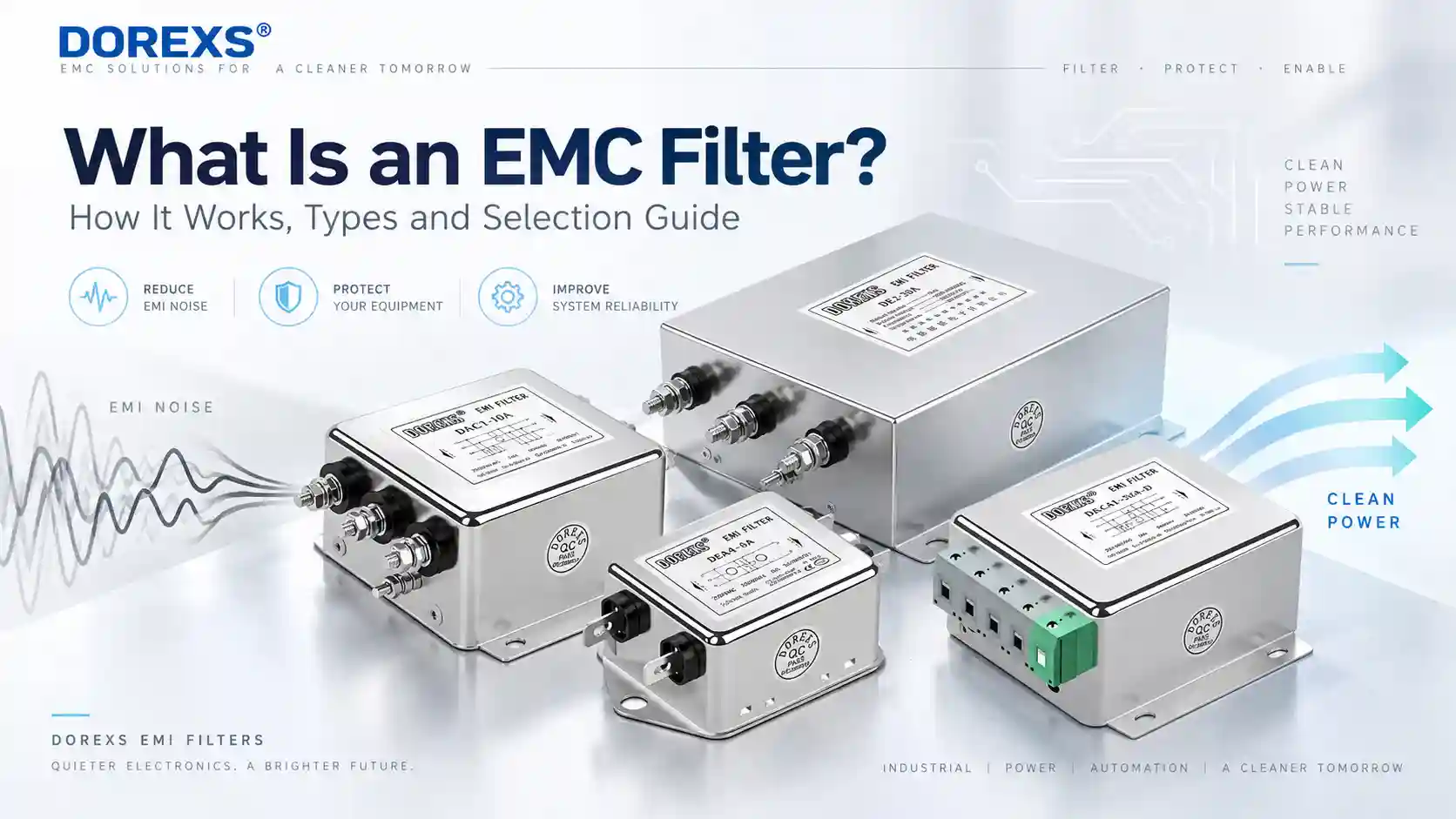
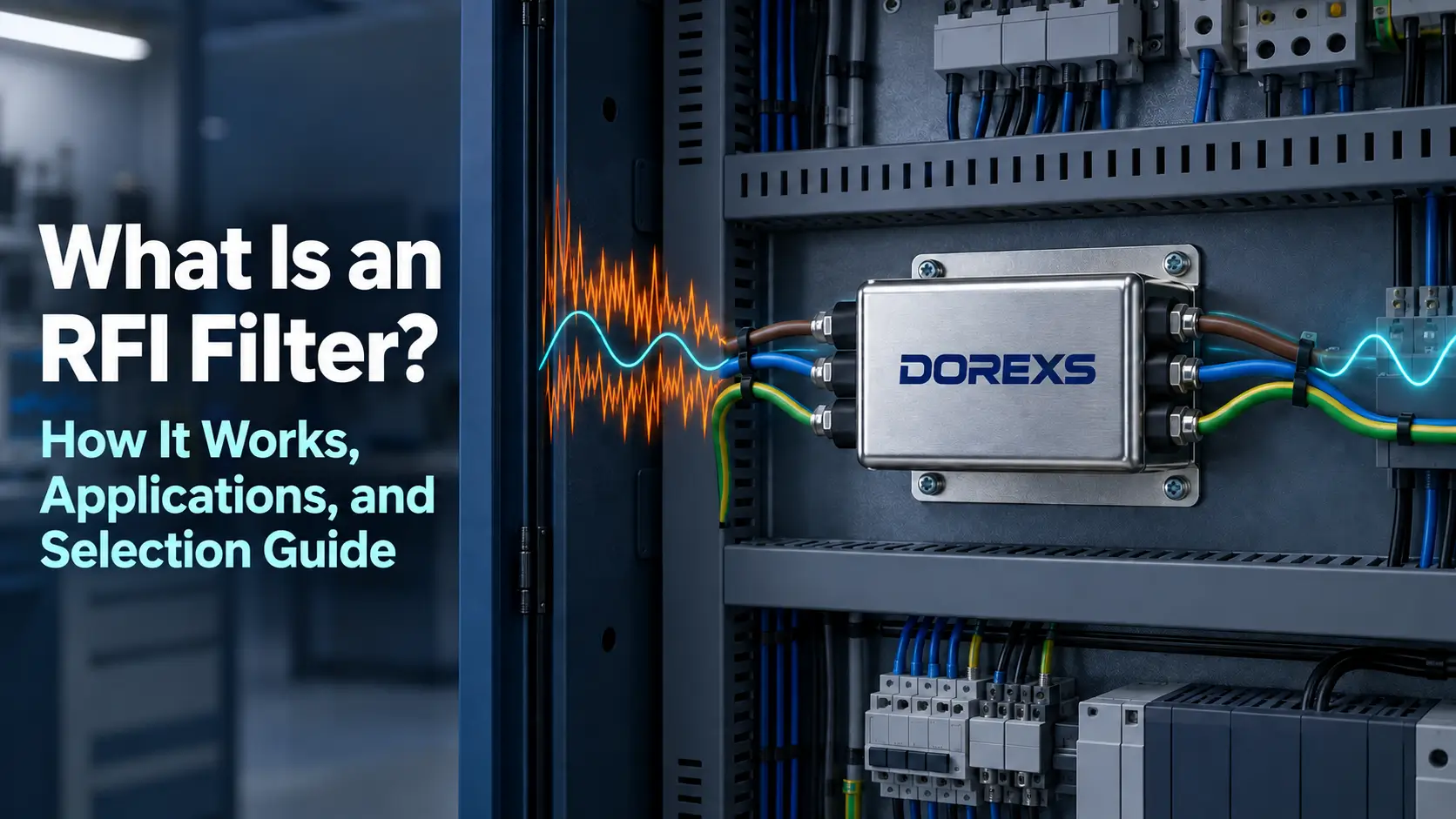
Companies like DOREXS specialize in creating EMI/EMC filters that comply with strict regulations for various industries, ensuring effective EMI mitigation. Employing these strategies enables individuals and organizations to significantly reduce EMI impact on their devices, ensuring smooth and reliable operation.
What is an EMI Filter?

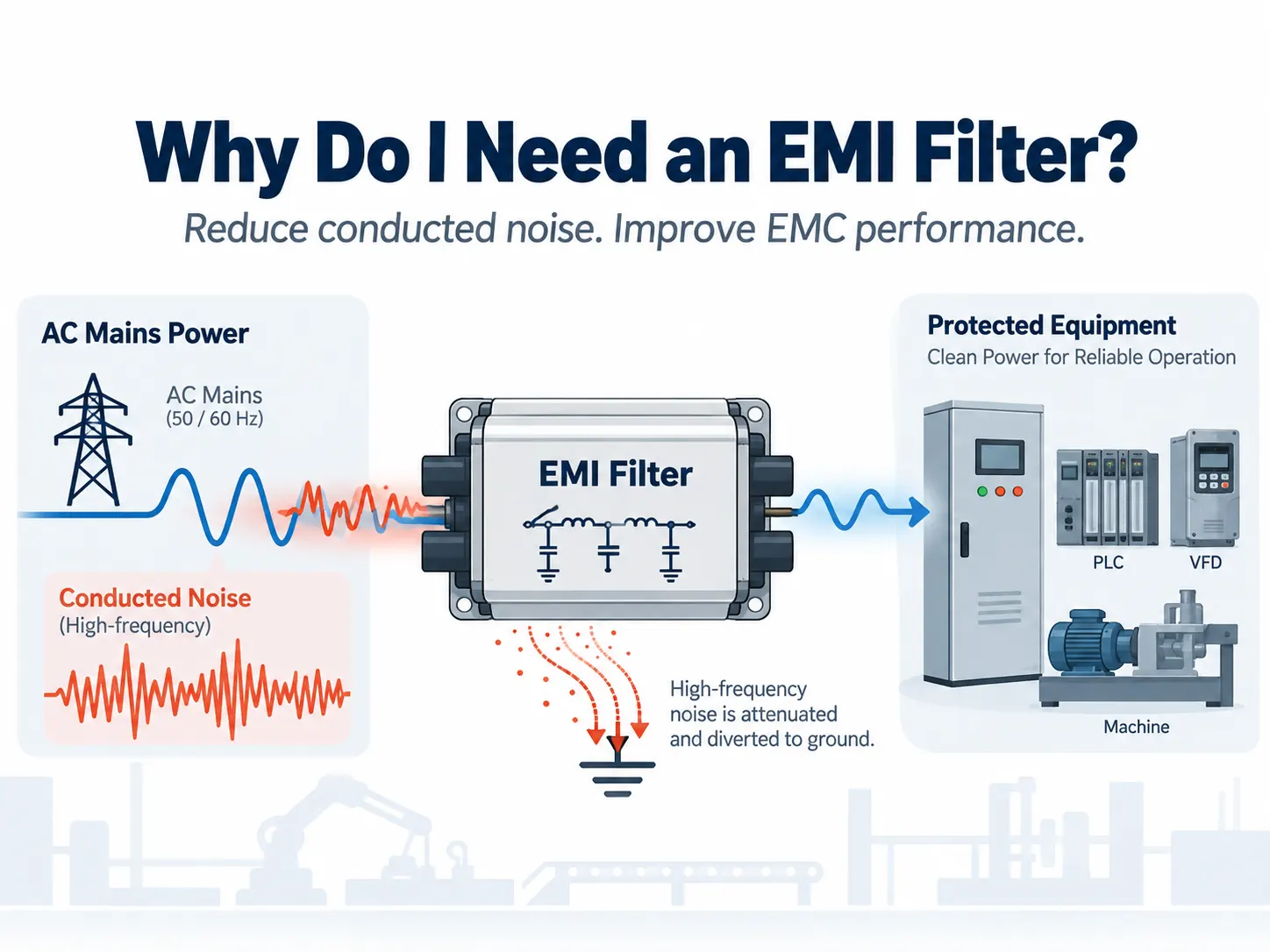
An EMI filter, or electromagnetic interference filter, is a device used to suppress electromagnetic noise in electronic circuits. These filters are essential for allowing desired currents to pass while blocking unwanted noise, ensuring the smooth operation of electronic systems. Passive filters are commonly utilized in modern electronics to eliminate unwanted signals and minimize EMI.
However, it’s important to note that EMI filters may not protect against higher frequency bands produced by new devices, highlighting a limitation in their application.
How EMI Filters Work
EMI filters operate by blocking high-frequency noise while allowing desired currents to pass, functioning primarily as low-pass filters. These filters support high attenuation and are designed to enhance the performance of electronic systems by eliminating unwanted electromagnetic noise.
By allowing lower frequencies to pass while blocking higher frequency noise, EMI filters ensure that electronic devices can operate without the disruptions caused by electromagnetic interference. Grasping how EMI filters work is essential for designing and maintaining robust electronic systems in various settings.
By allowing lower frequencies to pass while blocking higher frequency noise, EMI filters ensure that electronic devices can operate without the disruptions caused by electromagnetic interference. Grasping how EMI filters work is essential for designing and maintaining robust electronic systems in various settings.
Applications of EMI Filters
EMI filters are utilized in various sectors including residential appliances, industrial machinery, and medical equipment to ensure optimal performance and compliance with electromagnetic compatibility standards. In residential settings, EMI filters help maintain the functionality of home appliances by suppressing electromagnetic noise.
In industrial and medical environments, EMI filters are essential for protecting sensitive equipment from electromagnetic disturbances. By ensuring that these filters are properly implemented, organizations can maintain the reliability and efficiency of their electronic systems in a wide range of applications.
In industrial and medical environments, EMI filters are essential for protecting sensitive equipment from electromagnetic disturbances. By ensuring that these filters are properly implemented, organizations can maintain the reliability and efficiency of their electronic systems in a wide range of applications.
DOREXS EMI Filters
DOREXS is recognized as a leading provider of EMI filters, offering a range of products including:
-
Single-phase EMI filters
-
Three-phase EMI filters
-
PCB EMI filters
-
DC EMI filters
The company also provides customized EMI filter services to meet specific client needs, ensuring that their solutions are tailored to various applications.
With over a decade of experience, DOREXS has established a strong reputation in the market for providing cost-effective EMI solutions. Their dedication to quality and innovation makes them a trusted partner for organizations seeking to mitigate electromagnetic interference and ensure the reliable operation of their electronic systems.
Summary
In conclusion, understanding and mitigating electromagnetic interference is crucial for the reliable operation of electronic devices. By exploring the sources, types, and effects of EMI, we can develop effective strategies to prevent it. From consumer electronics to industrial and medical equipment, EMI poses significant challenges that require robust solutions.
Companies like DOREXS provide essential tools and expertise to combat EMI, ensuring that electronic systems operate smoothly and efficiently. By implementing these solutions, we can safeguard our technology and continue to enjoy the benefits of modern electronics without disruption.
Frequently Asked Questions
What is electromagnetic interference (EMI)?
Electromagnetic Interference (EMI) is the disruption of intended electrical currents in devices caused by unwanted currents, commonly known as 'electromagnetic noise'. This interference can lead to operational problems in electronic equipment.
What are the common sources of EMI?
Common sources of electromagnetic interference (EMI) include natural phenomena such as solar flares, as well as human-made sources like ignition systems, mobile phone networks, and high-power radio transmitters.
How does radiated EMI differ from conducted EMI?
Radiated EMI affects devices over distances through the air, whereas conducted EMI travels through physical electrical paths such as power cables. Thus, the primary distinction lies in the medium of transmission.
How can EMI affect consumer electronics?
EMI can significantly impair the functionality of consumer electronics, potentially leading to malfunctions or permanent damage in devices such as microwaves and mobile phones. It is crucial to consider EMI protection to ensure reliable device performance.
What are some strategies for preventing EMI?
To effectively prevent EMI, employ shielding, ensure proper grounding, utilize high-quality electronics, maintain separation between power and data lines, and comply with relevant regulatory standards. Implementing these strategies will significantly enhance your system's resilience against electromagnetic interference.
Common EMC Test Failures and How to Avoid Them
How Does an EMC Filter Work-Complete Technical Guide