EMI Considerations in Medical Imaging Devices: Essential Guide for Equipment Designers
Introduction
EMI considerations in medical imaging devices encompass the systematic identification, prevention, and mitigation of electromagnetic interference that threatens image quality, device functionality, and patient safety. As modern healthcare facilities become increasingly dense with electronic devices operating in close proximity, engineers designing imaging equipment must address these electromagnetic compatibility challenges from the earliest stages of development.
This guide covers EMI considerations across major imaging modalities including MRI machines, CT scanners, X-ray equipment, ultrasound systems, and nuclear medicine devices. The content targets biomedical engineers, equipment designers, and compliance specialists responsible for ensuring sensitive medical equipment meets regulatory requirements while delivering consistent performance in challenging electromagnetic environments.
Direct answer: EMI considerations in medical imaging devices require comprehensive strategies addressing conducted and radiated interference sources, proper shielding and filtering implementation, regulatory compliance with IEC 60601-1-2, and validation testing—all coordinated to protect signal integrity and diagnostic accuracy throughout the equipment lifecycle.
Key outcomes from this guide include:
-
Understanding internal and external EMI sources affecting imaging systems
-
Navigating electromagnetic compatibility requirements for medical device applications
-
Implementing effective EMI shielding and filtering strategies using appropriate materials
-
Selecting EMI and EMC filtering solutions for medical devices from specialized manufacturers like DOREXS for critical applications
-
Validating compliance through systematic testing procedures

Understanding EMI in Medical Imaging Context
Electromagnetic interference represents unwanted electromagnetic energy that degrades imaging device performance through signal contamination, data corruption, or equipment malfunction. In medical environments, this interference can originate from countless sources and propagate through both conducted and radiated pathways.
Imaging equipment faces unique demands because these systems rely on detecting extremely low-level signals while operating high-power components in close proximity. The sensitive electronics processing patient data must maintain signal integrity despite surrounding electromagnetic fields from power supplies, motor drives, and wireless communication systems throughout the facility.
Sources of EMI in Imaging Environments
Internal EMI sources within imaging equipment itself often present the most challenging interference problems. Switching power supplies generate broadband noise across frequencies from kilohertz through megahertz ranges. Gradient coils in MRI machines produce intense pulsed fields during image acquisition. RF transmitters, motor drives for positioning systems, and digital processing circuits all contribute electromagnetic emissions that can couple into sensitive signal paths.
External sources compound these challenges significantly. Nearby medical devices including patient monitors, infusion pumps, and electrosurgical units radiate electromagnetic waves that penetrate inadequately shielded enclosures. Facility electrical infrastructure introduces conducted noise through power distribution systems. Wireless communication networks—WiFi, Bluetooth, cellular, and emerging 5G systems—create an increasingly complex electromagnetic environment that many engineers must account for during the design process.
Environmental factors add another layer of complexity. Building electrical systems, HVAC equipment, elevators, and even external interference from urban infrastructure can affect imaging system performance, making material selection and installation practices critical to long term reliability.
Types of EMI Affecting Imaging Systems
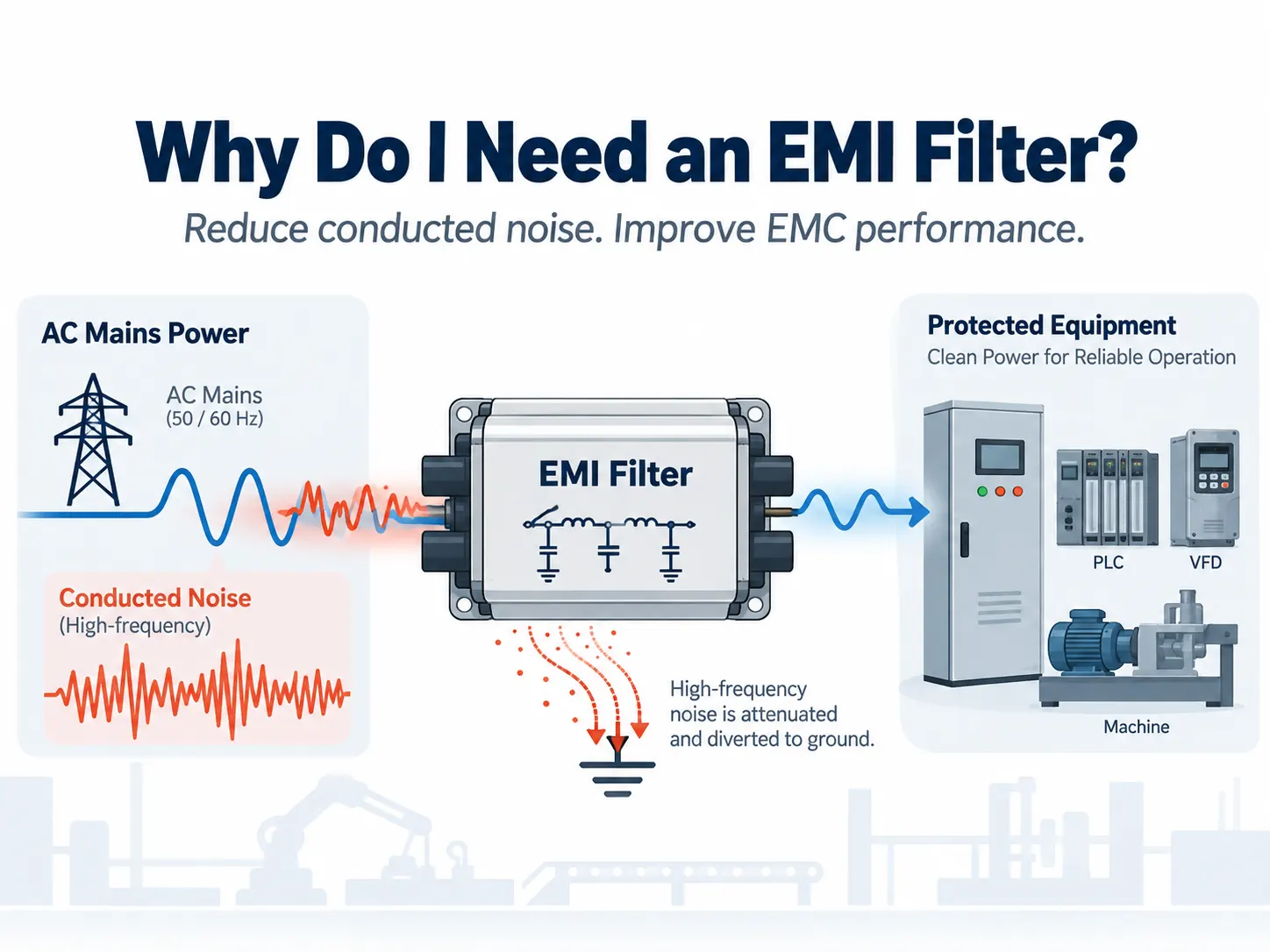
Conducted interference travels through power lines, signal cables, and connectors into imaging equipment. This noise appears as common-mode currents flowing on cable shields and ground conductors, or as differential-mode noise superimposed directly on signal and power conductors. Power supplies are particularly susceptible to conducted interference from facility distribution systems.
Radiated interference propagates through space as electromagnetic waves, coupling into circuits through cables acting as antennas, apertures in enclosures, and direct field penetration of inadequate shielding. Radio waves from communication systems and high-frequency emissions from digital circuits represent common cause sources of radiated EMI in medical applications.
Understanding these interference mechanisms enables engineers to specify appropriate countermeasures—whether filtering, shielding, or grounding solutions—matched to the specific requirements of each imaging system component.
EMI Challenges by Imaging Modality
Different imaging technologies present distinct EMI challenges based on their operating principles, signal levels, and electromagnetic field generation characteristics. Effective emi shielding strategies and appropriate medical-grade EMI filter selection must address these unique requirements while ensuring patient safety and regulatory compliance.
MRI Systems
Magnetic resonance imaging systems generate the most intense electromagnetic fields of any medical devices, creating both susceptibility and emission challenges that demand exceptional attention to electromagnetic shielding.
RF shielding requirements for MRI extend beyond simple electromagnetic containment. The imaging room itself typically requires a continuous conductive enclosure—a Faraday cage—achieving shielding effectiveness often exceeding 100 dB to prevent external interference from contaminating the extremely weak nuclear magnetic resonance signals being detected. Any penetration through this shield for power, signals, or ventilation requires specialized filtered feedthroughs.
Gradient switching generates substantial noise as coils rapidly change magnetic fields during image acquisition. This pulsed interference couples into power systems and can affect other devices sharing facility electrical infrastructure. Medical filter products designed for gradient amplifier supplies must handle high currents while suppressing conducted emissions across broad frequency ranges.
Image quality degradation from EMI manifests as artifacts—ghosting, banding, or noise patterns superimposed on diagnostic images that can obscure subtle abnormalities. Even minor interference can compromise diagnostic accuracy, making proper shielding and filtering essential rather than optional considerations.

CT and X-Ray Equipment
CT scanners and X-ray systems present different EMI challenges centered on high-voltage generation, precision detector systems, and motorized positioning components.
High-voltage generators producing the X-ray tube potential create significant electromagnetic emissions during operation. Filtering requirements for these power supplies must address both conducted noise returning to facility power systems and radiated emissions from cables carrying kilovolt potentials. Solutions from manufacturers like DOREXS incorporate medical-grade EMI filter products specifically designed for these demanding applications.
Detector sensitivity represents a critical consideration as modern solid-state detector arrays convert X-ray photons to electrical signals at levels vulnerable to electromagnetic interference. The noise floor of detector electronics directly impacts image quality and dose efficiency—higher interference means either reduced image quality or increased patient radiation exposure to achieve acceptable images.
Motor drive systems positioning the gantry, table, and detector assemblies generate EMI from variable frequency drives and switching components. Position accuracy depends on encoder signals that must maintain integrity despite interference from adjacent power electronics.
Ultrasound and Nuclear Medicine
Ultrasound and nuclear medicine systems process signals at extremely low levels, making them particularly vulnerable to both conducted and radiated interference despite their lack of the intense field generation seen in MRI.
Low-level signal processing in ultrasound transducers and gamma camera detectors requires exceptional noise immunity. Received signals may measure in microvolts, demanding electromagnetic compatibility between sensitive frontend electronics and digital processing systems sharing the same enclosure. Grounding requirements become critical to prevent coupling between high-speed digital circuits and analog signal paths.
Portable device considerations add complexity for battery-powered ultrasound units increasingly used at bedside. These compact designs must achieve compliance without the extensive shielding possible in stationary equipment, where plug-in EMI filters for medical equipment can simplify power-line noise mitigation. Wireless connectivity for image transmission introduces additional EMI susceptibility and emission sources requiring careful management.
EMI Mitigation Strategies and Implementation
Comprehensive EMI control spans the entire development lifecycle from initial design through installation and ongoing operation. Success requires coordinated application of filtering, shielding, and grounding techniques matched to each imaging system’s specific requirements.
Filter Selection and Application
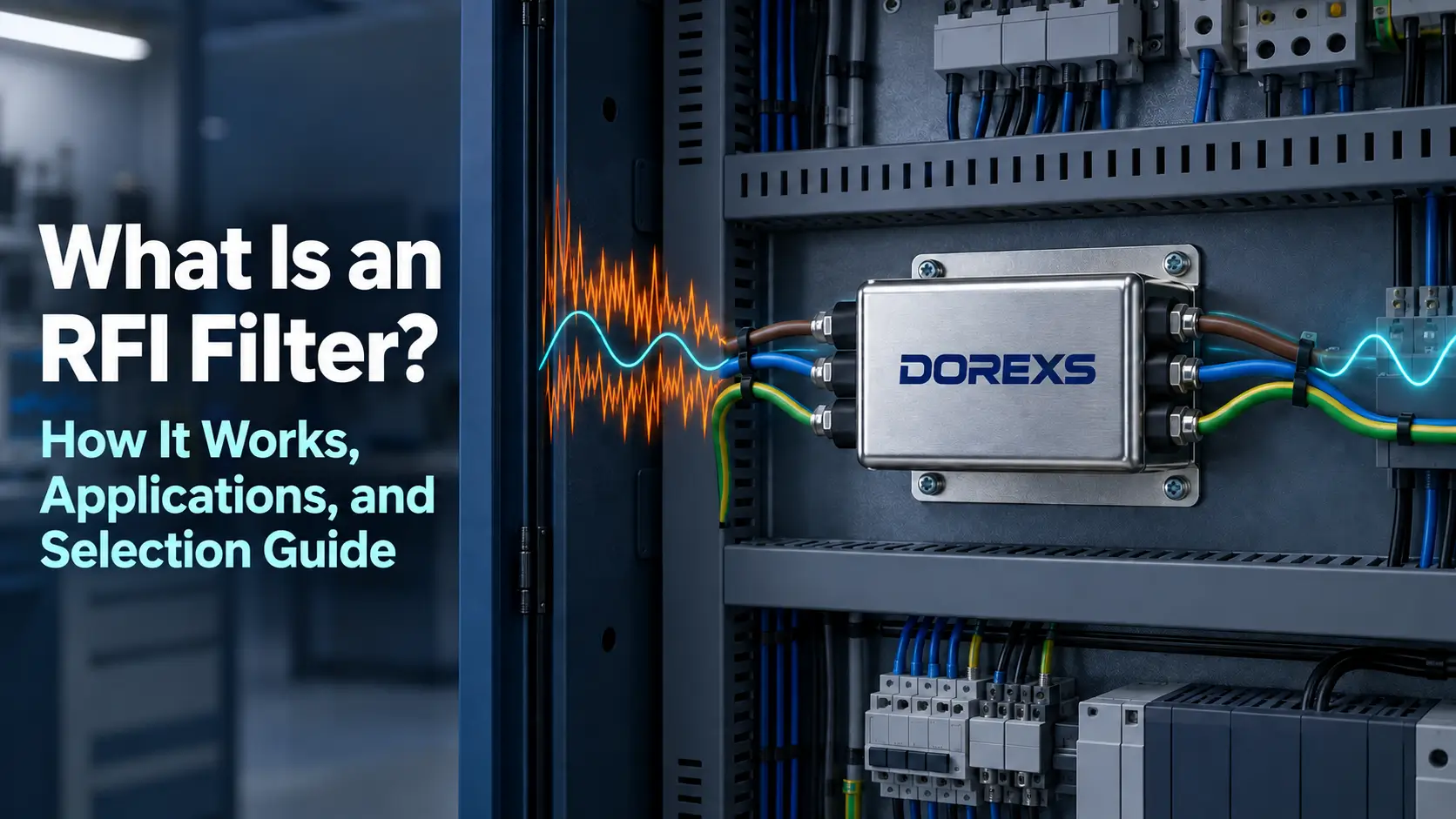
EMI filters serve as essential barriers preventing conducted interference from entering or exiting imaging equipment through power and signal connections. Understanding the principles and applications of EMI power filters supports proper selection and implementation that directly impact both regulatory compliance and operational reliability.
-
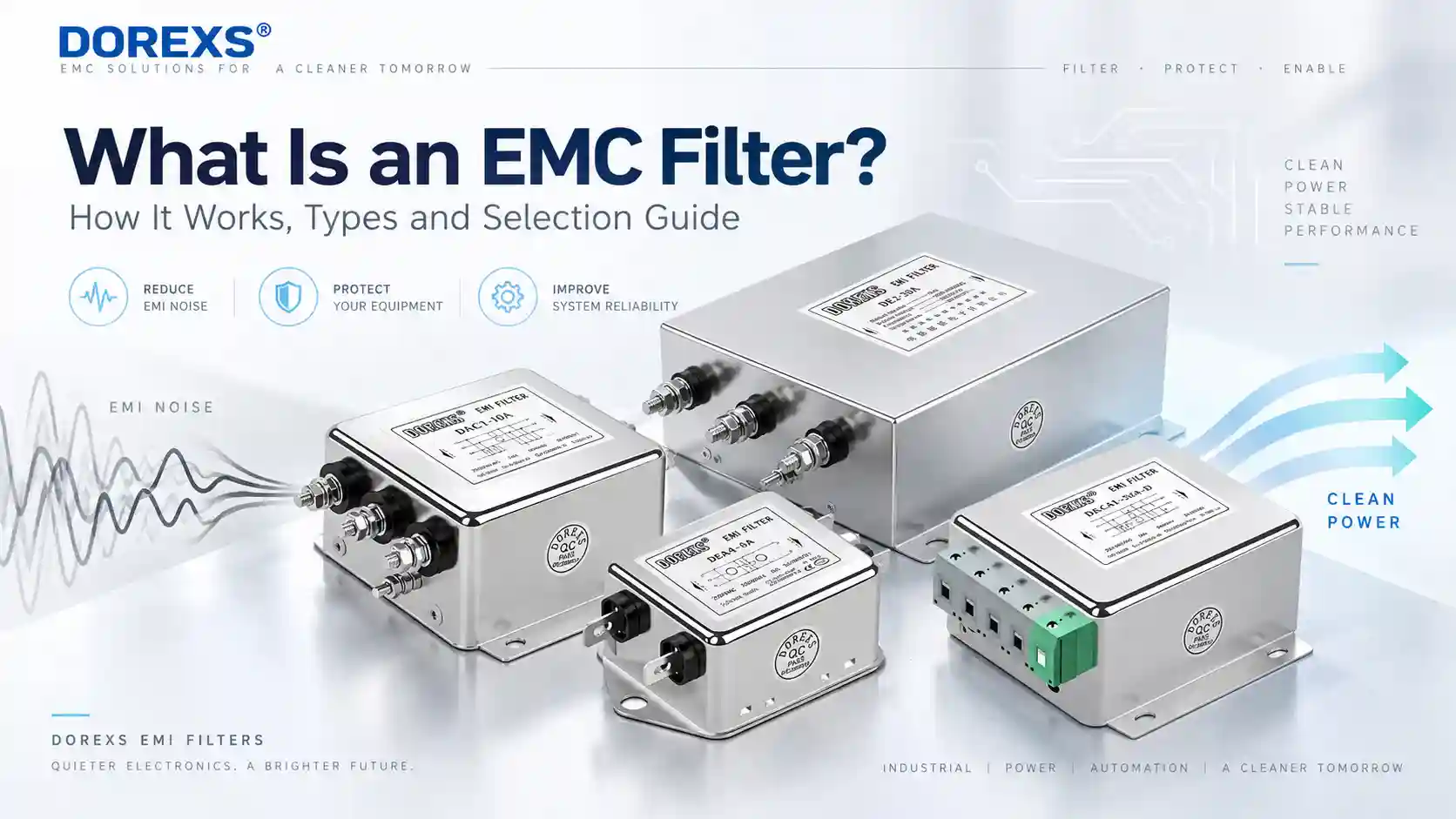
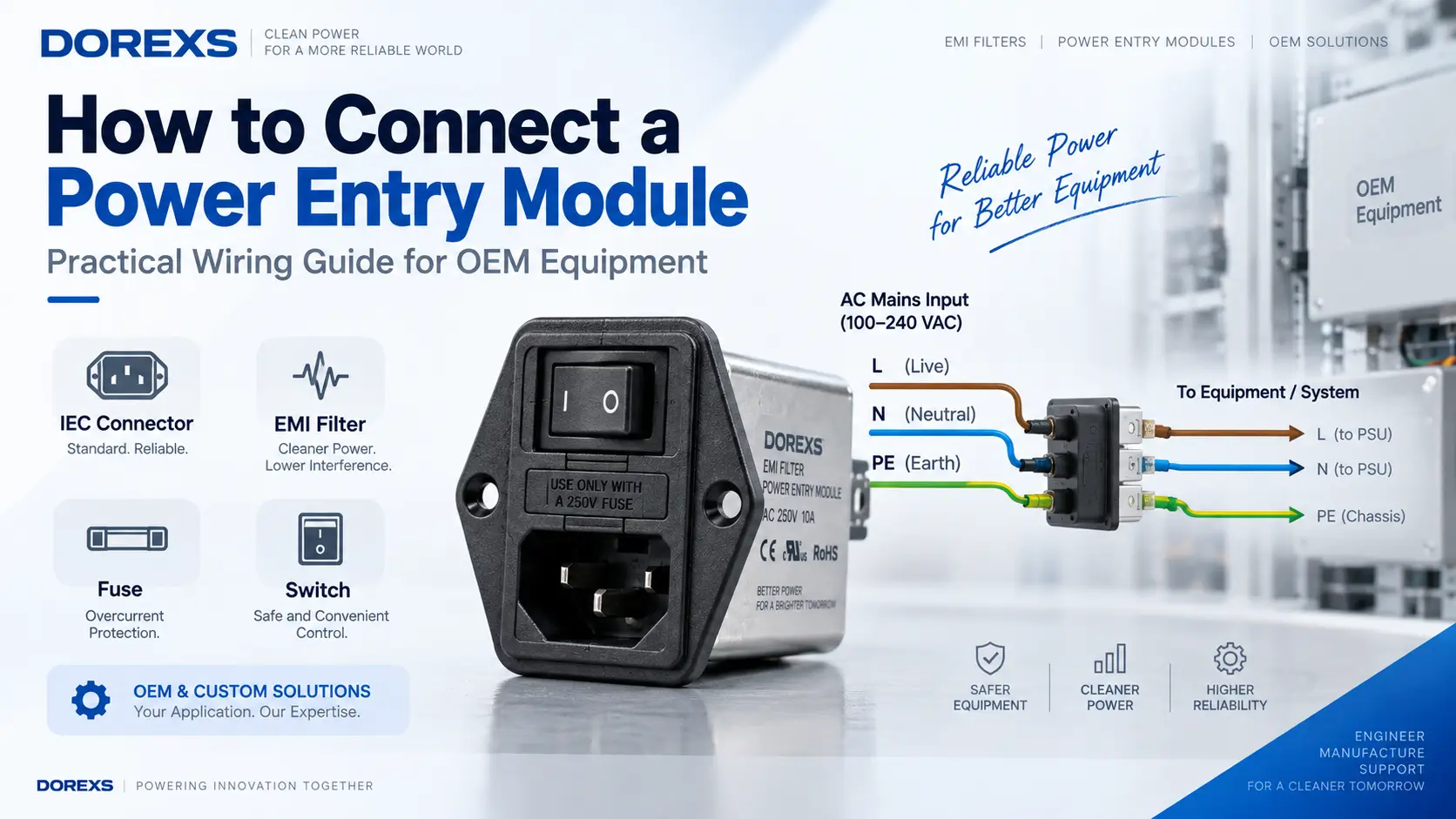
Power line filtering using IEC inlet filters addresses the primary pathway for conducted EMI. Medical-grade filters meeting IEC 60601-1-2 requirements incorporate appropriate creepage and clearance distances for patient safety while providing attenuation from 150 kHz through 30 MHz. DOREXS high-performance EMI power filters offer solutions specifically engineered for imaging equipment power supply applications.
-
Signal line filtering protects data communication and control circuits from conducted interference on cables that may act as antennas for radiated fields. Filtered connectors and inline filters prevent EMI ingress while maintaining signal integrity for critical diagnostic data.
-
DC filtering addresses switching noise in battery-powered systems and DC distribution within equipment. Mobile imaging systems require compact filter solutions that minimize weight and volume while achieving necessary attenuation.
-
Custom filter solutions from manufacturers like DOREXS, including specialized medical EMI filters, address unique requirements of specific imaging applications where standard products cannot meet performance specifications or physical constraints.
Shielding and Grounding Techniques
Electromagnetic shielding using conductive materials contains emissions and blocks external interference from reaching sensitive electronics. Shielding effectiveness depends on material selection, enclosure integrity, and proper treatment of all penetrations.
Enclosure design principles require continuous conductive surfaces without gaps that allow field leakage. Seams must maintain conductivity through proper gasket selection and fastener spacing. Apertures for displays, ventilation, and connections require design attention to minimize compromise of shielding performance.
Cable shielding extends electromagnetic containment beyond the equipment enclosure. Proper termination of cable shields—typically 360-degree bonding to connector shells—prevents common-mode currents from penetrating the shielded zone. Improperly terminated shields can actually worsen EMI performance by providing coupling paths.
Grounding schemes for multi-unit imaging installations must balance safety requirements, EMI control, and prevention of ground loops. Single-point grounding at appropriate reference locations, low-impedance ground connections, and attention to cable routing all contribute to optimal performance.

Compliance Testing and Validation
IEC 60601-1-2 establishes emission and immunity requirements that imaging equipment must meet for market approval. Understanding these requirements guides design decisions and testing strategies.
|
Requirement Category |
IEC 60601-1-2 Limit |
Typical Imaging Device Challenge |
|---|---|---|
|
Conducted Emissions |
Class A/B per CISPR 11 |
High-power supplies, motor drives |
|
Radiated Emissions |
Class A/B per CISPR 11 |
Digital processors, switching circuits |
|
ESD Immunity |
±8 kV contact, ±15 kV air |
Operator interface, patient contact |
|
Radiated Immunity |
10 V/m, 80 MHz–2.7 GHz |
Sensitive signal processing |
|
Power Frequency Magnetic Field |
30 A/m |
CRT displays, magnetic sensors |
Third-party certification requires extensive documentation demonstrating design controls, test results, and risk analysis supporting safe operation throughout the equipment lifecycle.
Common EMI Problems and Solutions
Practical experience reveals recurring EMI issues that imaging equipment encounters during development and deployment. Understanding how medical-grade EMI filters enhance device safety and reliability alongside these patterns enables proactive solutions.
Image Artifacts and Quality Degradation
EMI-related image artifacts require systematic source identification through elimination testing. Disconnecting potential interference sources sequentially while monitoring image quality isolates the responsible equipment or pathway.
Filter retrofitting addresses conducted interference identified in existing installations. DOREXS offers medical-grade filter solutions well suited for retrofit applications where original equipment filtering proves inadequate. Shielding improvements including conductive gaskets, additional enclosure panels, or cable shield upgrades address radiated interference pathways.
Equipment Malfunction and Safety Concerns
Power quality issues causing equipment malfunction often respond to isolation transformer and filter upgrade solutions. Separating sensitive imaging equipment from noisy facility power through dedicated filtered distribution protects against interference from other devices sharing electrical infrastructure.
Emergency stop system interference represents a serious safety concern requiring immediate attention. Proper filtering and optical isolation prevent EMI from causing false triggers or—more dangerously—preventing legitimate emergency stops from functioning. These safety-critical circuits demand rigorous design and validation.
Regulatory Compliance Failures
Design review following compliance test failures must identify root causes and specify appropriate corrective measures. EMI filter specification updates using DOREXS medical-grade filter solutions often provide the additional attenuation needed to achieve passing margins while maintaining reliability in production.
Installation verification confirms that field conditions match design assumptions. Commissioning procedures should include EMI surveys identifying local interference sources and verification that imaging equipment performs acceptably in the actual deployment environment.
Conclusion and Next Steps
Effective EMI management ensures imaging device reliability, patient safety, and regulatory compliance across the entire equipment lifecycle. From initial design through field deployment, attention to electromagnetic compatibility separates successful medical technologies from those facing recalls, customer complaints, or safety incidents.
The importance of systematic EMI control continues growing as medical environments become denser with electronic devices and wireless systems. Engineers who master these considerations deliver imaging equipment capable of consistent performance despite challenging electromagnetic conditions.
Immediate actionable steps:
-
Conduct comprehensive EMI risk assessment identifying susceptibility and emission concerns for your imaging application
-
Specify appropriate filters from manufacturers like DOREXS based on conducted EMI requirements and physical constraints
-
Implement proper grounding schemes following single-point reference principles
-
Validate compliance through pre-compliance testing before formal certification
Related topics for further exploration include facility-level power quality solutions for medical and industrial environments, shielded room design for high-field MRI, and ongoing EMI monitoring procedures for preventive maintenance programs.
Additional Resources
Regulatory Standards:
-
IEC 60601-1-2:2014+AMD1:2020 (Edition 4.1) – Electromagnetic compatibility requirements for medical electrical equipment
-
CISPR 11 – Industrial, scientific and medical equipment emission requirements
-
IEC 61000-4 series – Immunity testing procedures
Technical Support: DOREXS provides technical consulting services for custom medical filter solutions addressing specific requirements of imaging equipment applications. Their engineering team assists with filter selection, custom product development, and compliance strategy for challenging EMI applications. Contact information available at company website.

Implementation Guidance: Medical device manufacturers should establish EMI design review checkpoints throughout development, incorporating lessons learned from previous projects and staying current with evolving regulatory requirements and electromagnetic environment changes in modern healthcare settings.
EMI Filter Circuit: Principles, Design, and Industrial Applications
EMI in Fire Protection Alarm Systems: Complete Guide to Electromagnetic Interference Management