EMI Issues and Solutions in Medical Devices
In the field of medical devices, electromagnetic interference (EMI) is far more than a simple “performance defect”; it is a core issue directly related to patient safety, compliant market launch, and long-term reliable operation. In critical medical devices such as pacemakers and neurostimulators, EMI can cause severe consequences, including even death, underscoring the importance of robust EMC measures. As EMI engineers, we must take a system-level perspective and integrate EMI control throughout the entire equipment development process. EMI filters, with their crucial role in interference suppression, are a core component of EMI solutions for medical devices. This article will analyze various EMI problems in depth, taking into account the EMI characteristics of medical devices, and will focus on the selection, design, and application strategies of EMI filters.
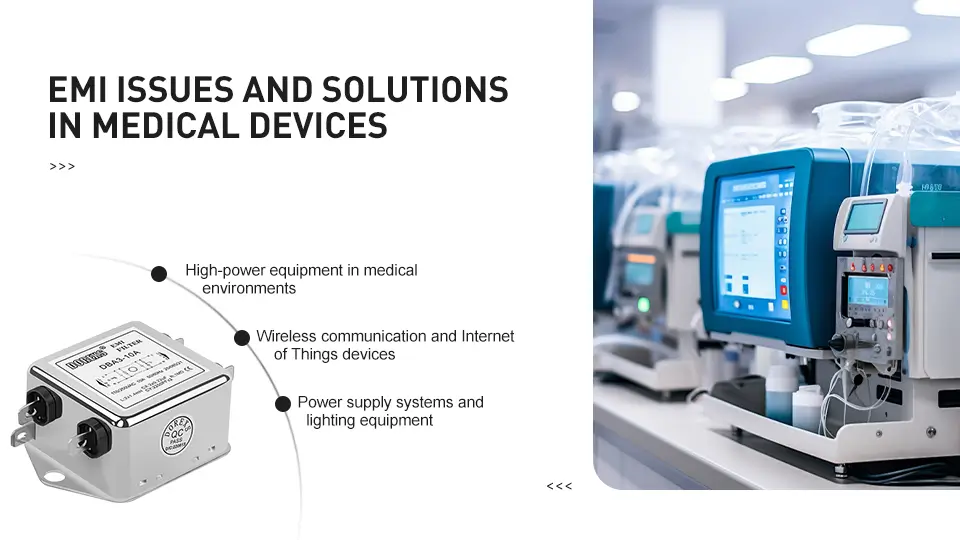
Why are medical devices particularly sensitive to EMI
The unique nature of medical devices makes them extremely sensitive to EMI. This sensitivity stems not only from the functional attributes of the devices themselves, but also from the complex medical electromagnetic environment. The combination of these two factors makes EMI control a “must-answer question” rather than an “optional question” in the design of medical devices.
From a functional perspective, most medical devices directly serve life support or precise diagnosis, such as pacemakers, ventilators, monitors, and MRI equipment. Cardiovascular diseases are among the most prevalent health conditions globally, and implantable devices like pacemakers play a critical role in managing arrhythmias and other cardiac issues. This makes EMI control especially important for patient safety, as even minor electromagnetic interference can have fatal consequences. For example, if a monitor is affected by EMI, it may lead to inaccurate measurements of key physiological parameters such as heart rate and blood pressure, thus misleading medical staff’s judgment; if the ventilator control system is interfered with and malfunctions, it may directly endanger the patient’s respiratory safety.
From the perspective of the usage environment, hospitals are a typical example of “high-density electromagnetic environment”: multiple medical devices operate in parallel at the same time, forming complex electromagnetic coupling links; the widespread use of high-frequency wireless communication devices (Wi-Fi, 5G, Bluetooth) further increases the complexity of electromagnetic signals; when high-power equipment such as MRI, CT, and electrosurgical units start and stop, they release strong electromagnetic pulses, which strongly interfere with surrounding sensitive equipment.
The harm caused by EMI extends far beyond abnormal equipment performance. Specifically, it can manifest as: measurement data drift, erroneous triggering of control systems, unexplained restarts or crashes, and in severe cases, even permanent damage to the equipment. From a compliance perspective, EMC (electromagnetic compatibility) non-compliance will directly lead to product failure to pass certification, causing delays in market launch. If already on the market, equipment found to have EMI issues may face recall risks, resulting not only in significant economic losses but also damage to the company’s brand reputation. Therefore, EMI control is not a “post-hoc remedial” step but a crucial, proactive element in the design of medical equipment.
Common EMI Problems in Medical Equipment
From an engineering practice perspective, EMI problems in medical devices can be categorized into four types: conducted EMI (conducted interference), radiated EMI (radiated interference), electrostatic discharge, and electrical fast transients/surges. These different types of interference differ significantly in their propagation paths, sources, and forms of harm, requiring targeted suppression strategies.

1. Conducted Emission/Susceptibility
Conducted EMI refers to interference signals propagating through conductors such as power lines and signal lines, and is one of the most common types of EMI in medical devices. Common sources include switching power supplies (SMPS), DC/DC modules, motor drives, and solenoid valves. These devices generate a large amount of harmonics and noise during operation, which are coupled to other devices or the power grid through conductors.
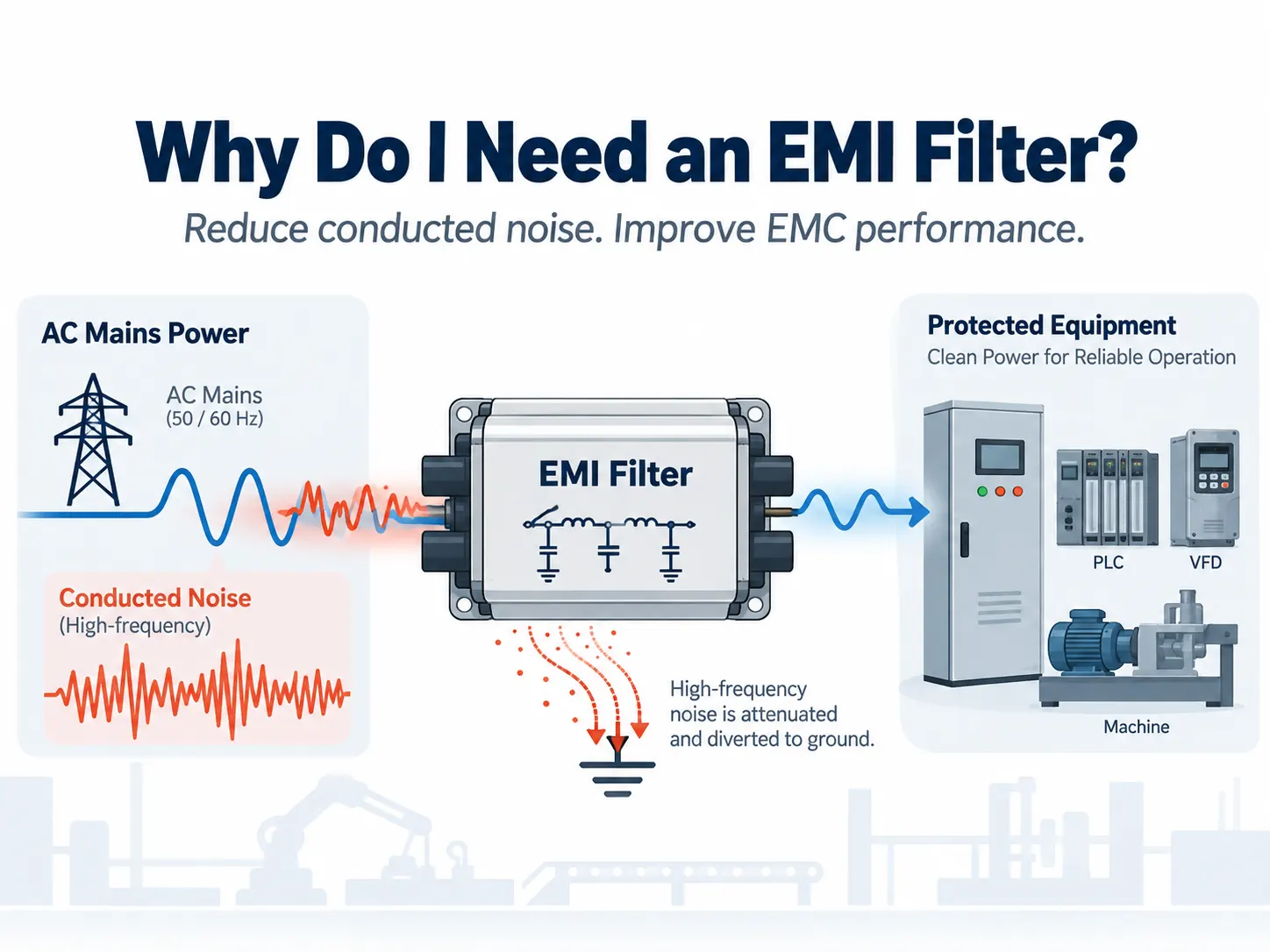
Typical conducted interference problems manifest as excessive power supply ripple and excessive common-mode/differential-mode noise. This not only affects the power supply stability of the equipment itself but also interferes with other medical devices on the same power grid through the power lines, causing malfunctions when multiple devices work together. For the suppression of conducted interference, EMI filters are the most direct and effective core components. Filtering techniques such as pi filters and LC networks are effective ways to control conducted EMI, especially for power supply stabilization and device performance. By specifically attenuating common-mode and differential-mode noise, they can significantly reduce the propagation capability of interference signals.
2. Radiated Emission/Susceptibility
Radiated EMI refers to interference signals propagating through space as electromagnetic waves emitted by electronic devices. High-frequency switching circuits, unshielded cables, and PCB traces can all act as “unintentional antennas,” radiating internal noise into the external environment or receiving external electromagnetic signals to create interference. The common frequency band for this type of interference is concentrated in the 30MHz–1GHz range, which happens to cover the frequency bands commonly used in wireless communication, broadcasting, and television.
Typical problems with radiated interference include interference with wireless communication modules and drift in sensor signals. If the interference signal strength exceeds the standard, it will directly lead to the failure of EMC radiation tests. In suppressing radiated interference, in addition to adopting shielding design and optimizing PCB layout, properly configuring EMI filters can reduce noise sources at the power supply end and reduce the intensity of radiated interference from the source.
3. Electrostatic Discharge (ESD)
Electrostatic discharge (ESD) originates from operator contact with equipment, plugging and unplugging interfaces, or the accumulation of static electricity in the environment. It is characterized by high instantaneous voltage, short duration, but extremely destructive power. Medical equipment involves frequent human-machine interaction and common interface plugging and unplugging operations, making ESD protection particularly important.
Typical consequences of ESD include MCU reset, screen freeze, and data loss. In severe cases, it can damage the internal circuitry of the chip, leading to permanent equipment failure. In an ESD protection system, EMI filters can be used in conjunction with devices such as TVS diodes to attenuate noise generated by electrostatic coupling through filtering, thereby helping to improve the ESD immunity of the equipment.
4. Electrical Fast Transient/Surge (EFT/Surge)
The medical power grid environment is complex. The start-up and shutdown of high-power equipment (such as electrosurgical units and MRI machines) can cause instantaneous voltage fluctuations in the power grid, resulting in electrical rapid transients or surge interference. This type of interference is characterized by a high rate of voltage change and high energy, which can easily damage the power modules and interface circuits of the equipment.
EFT/Surge interference can cause power module failure, control system malfunction, and even trigger the equipment's safety protection mechanism, leading to shutdown. To address this type of interference, in addition to selecting devices with strong surge protection capabilities, high-performance EMI filters can effectively attenuate transient noise in the power grid and reduce its impact on the core circuitry of the equipment.
Major EMI Sources in Medical Equipment (System-Level Analysis)
From a system-level perspective, EMI problems in medical devices are not caused by a single component, but rather a “systemic problem” resulting from electromagnetic coupling between multiple interference sources. Thoroughly identifying the core interference sources is a prerequisite for developing effective EMI solutions.
Electromagnetic fields—including both electric and magnetic fields—are produced by sources such as MRI machines, mobile phones, microwaves, and other hospital equipment. These fields generate electromagnetic energy and electromagnetic radiation, which can disrupt the operation of critical hospital equipment and electronic medical devices. The presence of strong electromagnetic fields and electromagnetic radiation in hospital environments increases the risk of EMI, making effective shielding and filtering essential to ensure the safety and reliability of electronic medical devices.
The main interference sources in medical devices can be summarized into the following categories:
- Switching power supply module (AC/DC, DC/DC): As the “energy core” of the equipment, the switching power supply generates a lot of harmonic noise during high-frequency switching. This noise can form conducted interference through the power line or radiated interference through the casing and wiring, which is one of the main sources of EMI in medical equipment.
- Motors and actuators: The air pump motor of the ventilator, the drive motor of the infusion pump, and other equipment will generate electromagnetic noise during operation due to brush friction and changes in winding current. Moreover, this type of noise is mostly broadband interference, which can easily affect sensitive circuits.
- High-frequency digital circuits (CPU, FPGA, DDR): With the improvement of the intelligence level of medical equipment, the application of high-frequency digital devices such as CPU and FPGA is becoming more and more widespread. Their high-speed signal switching will produce steep voltage/current changes, forming strong radiated interference and conducted interference, which has a more significant impact on analog sensing circuits.
- Wireless communication module: Wireless communication modules such as Wi-Fi, Bluetooth, and 5G actively emit electromagnetic signals during data transmission. If the shielding and filtering are not properly designed, they may not only interfere with the internal circuitry of the device, but may also cause mutual interference with other wireless devices.
- Long cables and external interfaces: External interfaces of medical equipment (such as sensor interfaces and power interfaces) and connecting cables can easily become “coupling channels” for electromagnetic signals. They may receive external interference signals or conduct internal noise of the equipment to the outside.
It is particularly important to emphasize that “EMI problems are usually not single-point issues, but rather the result of system-level coupling.” Noise from a single interference source can propagate through multiple paths and superimpose with noise from other interference sources, ultimately causing the equipment’s EMI to exceed the standard. Therefore, EMI solutions need to be approached from a system-level perspective, taking into account the characteristics of various interference sources and comprehensively employing multiple methods such as filtering, shielding, and wiring optimization.
EMC/EMI Standards Requirements Related to Medical Devices (Very Critical)
EMC/EMI standards are the core basis for the design, production, and certification of medical devices, and compliance is the "entry threshold" for devices to enter the market. For EMI engineers, a thorough understanding and strict adherence to relevant standards are prerequisites for ensuring the effectiveness of EMI solutions.

1. Core Medical EMC Standards
The core standard for EMC compliance of medical devices is IEC 60601-1-2. This standard specifically sets forth requirements for the electromagnetic compatibility of medical electrical equipment, covering multiple aspects such as conducted emissions, radiated emissions, electrostatic discharge immunity, electrical fast transient immunity, and surge immunity. Its core requirement is that medical devices, in normal operating environments, must neither generate excessive electromagnetic interference (emission requirements) nor be affected by external electromagnetic interference in their normal operation (immunity requirements).
In actual certification processes, IEC 60601-1-2 needs to be used in conjunction with other standards, including: CISPR 11 (electromagnetic emission standard for industrial, scientific and medical devices), which specifies the limits for conducted and radiated emissions from medical devices; and the IEC 61000-4-x series of standards (such as IEC 61000-4-2 for ESD, IEC 61000-4-4 for EFT, and IEC 61000-4-5 for Surge), which specify in detail the methods, levels and judgment criteria for various immunity tests.
2. The significance of compliant engineering
EMC compliance for medical devices is far more than simply "passing tests"; it carries profound engineering implications. First, compliance directly reduces the risk of misdiagnosis and missed diagnosis due to EMI, ensuring patient safety. Second, EMC-compliant equipment has stronger anti-interference capabilities, improving operational reliability in complex medical environments. Finally, designing EMI according to standards in advance avoids rework and rectification due to test failures, significantly shortening product certification cycles and reducing development costs. For EMI filters, dedicated products conforming to medical standards must be selected to ensure that their leakage current, insulation performance, and other indicators meet medical safety requirements while effectively suppressing interference.
EMI Solutions for Medical Devices (Key Chapter)
EMI solutions for medical devices require a “system-level design + layered suppression” approach, addressing issues from multiple dimensions such as power supply, PCB level, shielding and grounding, and interface protection. Effective EMI management is essential not only for individual medical devices but also for all hospital equipment, ensuring safe operation, regulatory compliance, and minimizing interference throughout the healthcare environment. Among these, EMI filters play an irreplaceable core role in power supply interference suppression and are the most important component of the entire solution.

1. Power supply EMI suppression solution (core: medical-grade EMI filter)
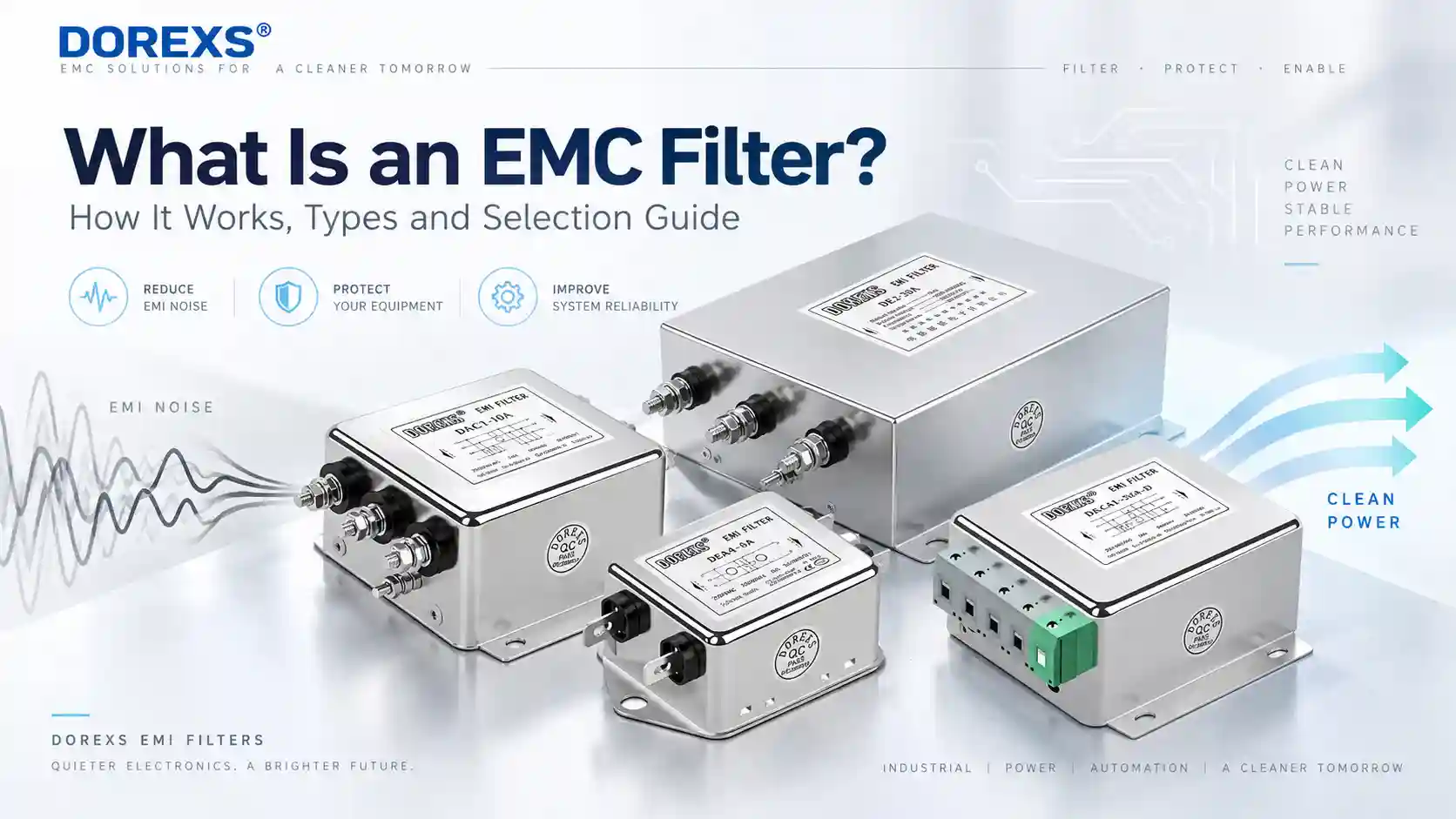
The power supply is the main channel for EMI to enter and exit equipment; therefore, power supply EMI suppression is the core of the entire EMI control process, and medical-grade EMI filters are the key components for achieving this. Compared with ordinary industrial-grade EMI filters, medical-grade EMI filters must meet higher safety requirements (such as low leakage current and high insulation strength) while possessing excellent common-mode and differential-mode noise attenuation capabilities.
(1) Key design considerations for medical-grade EMI filters:
- Integrated Common-Mode + Differential-Mode Design: The power supply noise of medical equipment includes both common-mode and differential-mode noise. Therefore, the filter needs to integrate a common-mode inductor, a differential-mode inductor, and a filter capacitor to achieve simultaneous attenuation of both types of noise. The common-mode inductor is mainly used to suppress common-mode noise between the live wire and ground wire, and between the neutral wire and ground wire, while the differential-mode inductor is used to suppress differential-mode noise between the live wire and neutral wire. By properly matching the inductance and capacitance values, effective filtering of wideband noise can be achieved.
- Low Leakage Current Design: Medical equipment comes into direct contact with or is close to patients. Excessive leakage current in the filter can lead to electric shock risks. Therefore, medical-grade EMI filters must strictly control leakage current (typically requiring ≤100μA, specifically conforming to IEC 60601-1 standard). To achieve low leakage current, a common-mode inductor with low parasitic capacitance should be selected, and the capacitance and type of the filter capacitor should be optimized to avoid excessive leakage current due to oversized capacitors.
- High Reliability and Compatibility: Medical equipment has extremely high requirements for the reliability of components. EMI filters must have a wide temperature range (typically -40℃ to 85℃), high vibration resistance, and comply with environmental standards such as RoHS and REACH. In addition, the input and output voltage and current specifications of the filter must match the power supply module of the equipment to ensure stable operation under rated load.
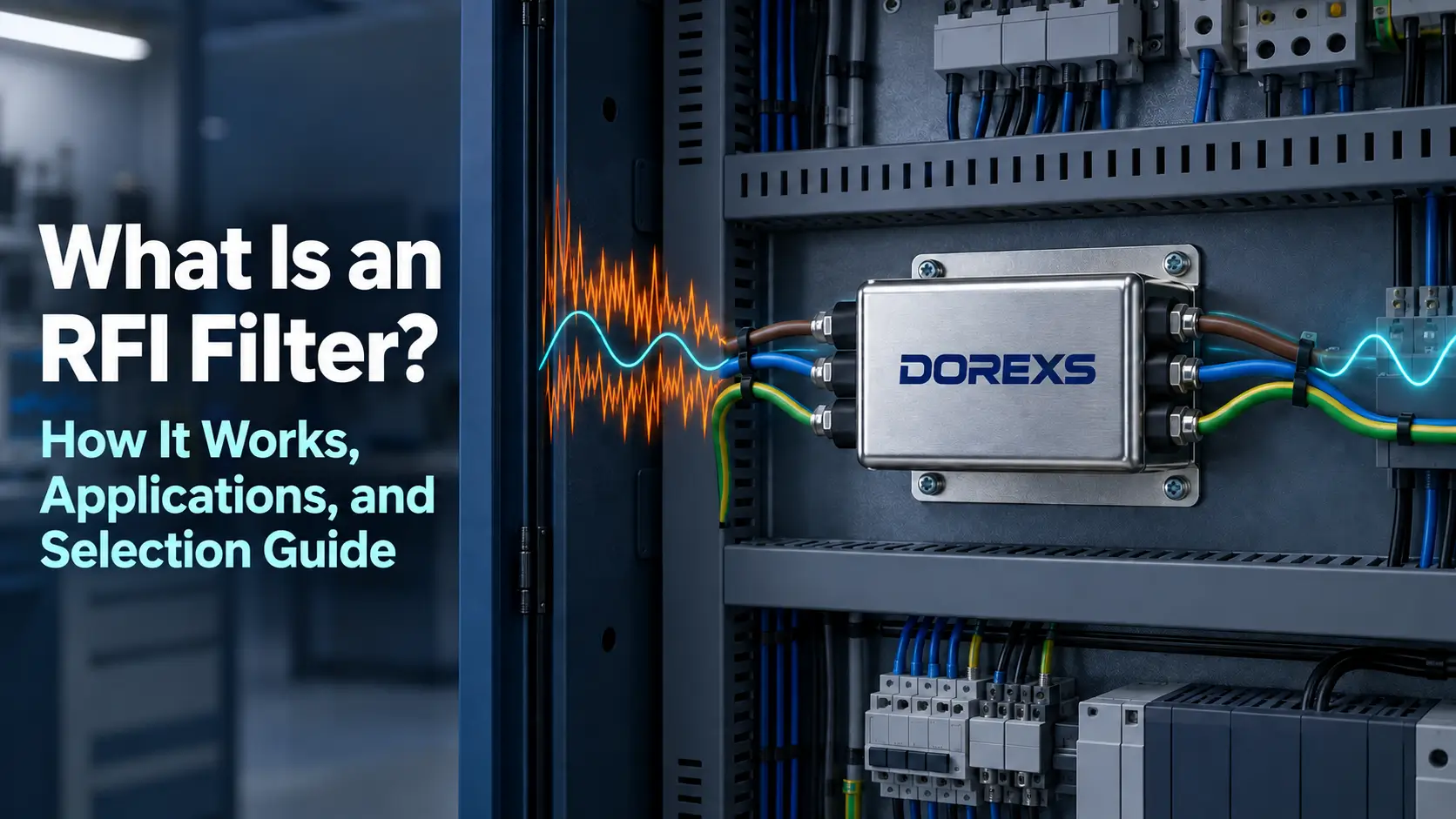
- Installation location optimization: The installation location of the EMI filter directly affects its filtering effect. Ideally, the filter should be installed at the power inlet of the equipment, and the input and output lines of the filter should be wired separately to avoid cross coupling. At the same time, ensure that the filter housing is well grounded to the metal housing of the equipment to improve the common mode noise suppression capability.
(2) Typical application examples:
- Patient Monitor: The monitor contains sensitive analog sensing circuits and high-frequency digital circuits. Noise generated by the switching power supply can easily lead to inaccurate physiological parameter measurements. A single-phase dry medical-grade EMI filter is selected and installed between the power adapter and the motherboard power interface. This effectively attenuates common-mode and differential-mode noise at the power supply end, ensuring the accuracy of measurement data, while meeting the safety requirement of leakage current ≤50μA.
- Medical imaging equipment (such as ultrasound diagnostic instruments and computed tomography (CT) scanners): Imaging equipment has a large power supply and contains high-voltage circuits, making EMI interference more complex. Computed tomography (CT) is widely used for diagnosing neurological conditions such as epilepsy, where precise imaging is critical for accurate diagnosis and treatment planning. Using a three-phase medical-grade EMI filter, which integrates a large-capacity common-mode inductor and a low-leakage-current filter capacitor, can effectively suppress conducted and radiated interference at the power supply end, preventing noise from affecting the acquisition and processing of image signals and ensuring clear and stable image quality.
- Medical Power Module: As the “power core” of medical equipment, the EMI performance of the medical power module directly affects the compliance of the entire device. Integrating a miniaturized medical-grade EMI filter inside the power module and optimizing the layout of the filter, switching transistors, and rectifier can reduce noise emissions at the source, enabling the power module to meet the emission requirements of IEC 60601-1-2 without the need for additional external filtering components, thus saving internal space in the equipment.
2. PCB-level EMI control methods
The PCB is the core carrier of electromagnetic noise generation and coupling. A well-designed PCB can effectively reduce noise generation and propagation, creating a synergistic suppression effect with EMI filters. Key design considerations include:
-
Reasonable zoning layout: Divide the PCB into analog area, digital area and power area. Analog circuits (such as sensor signal amplification circuits) and digital circuits (such as CPU, FPGA) should be laid out separately to avoid high-frequency noise from digital circuits coupling to analog circuits; power circuits (such as switching power supplies, motor drives) should be kept away from sensitive circuits and have a separate grounding area.
-
Optimize grounding design: Select an appropriate grounding method based on the circuit type. Analog circuits should use single-point grounding to avoid grounding loops; digital circuits can use multi-point grounding to reduce grounding impedance; power circuits should have short and thick grounding to reduce current loop area. Simultaneously, analog ground, digital ground, and power ground should be connected to the equipment chassis ground through a single point to avoid noise coupling between different grounding domains.
-
High-frequency return path control: The return path of high-frequency signals directly affects radiated interference. It is necessary to ensure that the return path of high-frequency signals is short and wide to reduce loop area. For high-speed interfaces such as DDR and PCIe, a reference plane (ground or power plane) should be set next to the signal line to provide a low-impedance return path for the signal and reduce radiated noise.
-
Differential signal routing: For sensitive analog signals (such as sensor signals) and high-speed digital signals, differential signal routing is used to leverage the anti-interference characteristics of differential signals, reduce the impact of external noise, and simultaneously reduce its own radiated interference. Differential lines must be strictly kept to be of equal length, parallel, and uniformly spaced to avoid signal skew that could reduce anti-interference capability.
3. Shielding and grounding
Shielding design is an effective means of suppressing radiated interference. It isolates interference sources from sensitive circuits or prevents external interference signals from entering the equipment through a metallic shielding layer. Its core design considerations include:
-
Metal Casing Shielding: The casing of medical equipment should preferably be made of metal (such as aluminum alloy or stainless steel) to ensure the integrity and conductivity of the casing and reduce shielding gaps. For openings on the equipment (such as heat dissipation holes and interface panels), shielding mesh, conductive rubber, or other materials should be used for sealing to prevent electromagnetic signals from leaking or entering through the openings.
-
Shielded Cables: Cables inside the equipment (such as power cables and signal cables) can easily become "antennas" for radiated interference. Cables with a metallic shielding layer must be selected, and both ends of the shielding layer must be properly grounded to ensure that the shielding layer forms a complete Faraday cage. For high-frequency signal cables, double-shielded cables are recommended to further enhance anti-interference capabilities.
-
360° Grounding Connection: The grounding quality of the shielding layer directly affects the shielding effect. It is necessary to ensure that the shielding layer and the metal casing of the equipment are grounded without any breaks at 360° to avoid the shielding layer becoming a "receiving antenna" due to poor grounding. For shielded connectors, models with shielded shells should be selected, and the shielding shell of the connector should have good contact with the equipment casing.
-
Grounding impedance control: The lower the impedance of the grounding system, the better the suppression effect on common-mode noise. A thick, short grounding wire should be used to reduce its inductive impedance. For high-frequency noise, a bypass capacitor can be connected in parallel along the grounding path to reduce the high-frequency grounding impedance.
4. Interface and signal line protection
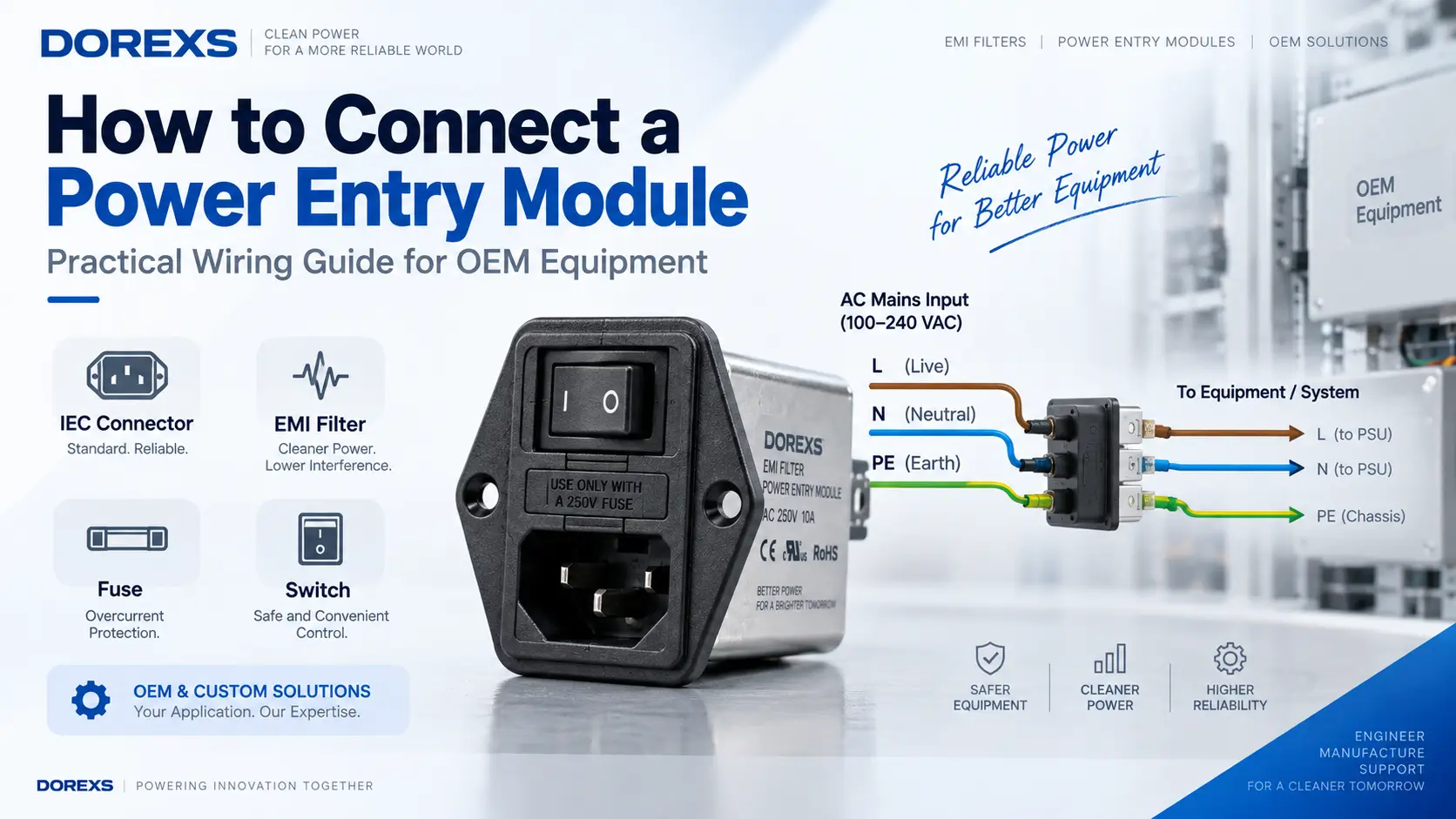
External interfaces of equipment (such as USB interfaces, sensor interfaces, and power interfaces) are important coupling channels for EMI, and need to be combined with EMI filters, TVS diodes, and other devices to build a multi-layered protection system.
-
Common-mode inductor: A common-mode inductor is connected in series in the signal or power lines of the interface to suppress common-mode noise that is transmitted or transmitted through the interface. It is especially suitable for high-speed interfaces such as USB and Ethernet.
-
TVS diode: A TVS diode is connected in parallel in the interface circuit to suppress transient interference such as ESD and surge. When a momentary high voltage occurs, the TVS diode breaks down quickly, clamping the high voltage within a safe range and protecting the chip in the interface circuit.
-
Filtering connector: Select connectors with integrated filtering functions, integrate EMI filtering capacitors and inductors inside the connector, realize real-time filtering of interface signals, reduce external noise coupling into the equipment through the interface, and at the same time reduce the radiation of internal noise through the interface.
The Role of EMI Design in the Medical Device Development Process
EMI design is not merely a "remedial measure after test failures," but a systematic process that runs throughout the entire medical device development process. Early involvement in EMI design can significantly reduce development costs and shorten certification cycles. From an EMI engineer's perspective, the core role of EMI design in the development process is reflected in the following stages:
1. Early Design Stage: Introducing EMI Assessment and Planning. During the equipment requirements analysis and solution design phase, an EMI risk assessment should be conducted based on the equipment's functional characteristics, operating environment, and relevant EMC standards. This involves identifying potential interference sources and sensitive circuits, and developing preliminary EMI control solutions, including the selection of EMI filters, shielding design principles, and PCB partitioning planning, to mitigate EMI risks from the outset.
2. Prototype Stage: Conduct Pre-scan Testing. After the equipment prototype is manufactured, use EMC pre-scan equipment (such as a spectrum analyzer and near-field probe) to conduct preliminary tests on the equipment's electromagnetic emissions and immunity, and locate EMI exceedance points. For problems found during testing, promptly optimize the parameters of the EMI filter, adjust the PCB layout, or improve the shielding design to avoid problems accumulating and requiring later rectification.
3. Design Verification Phase: In conjunction with formal EMC testing. After the equipment completes functional verification, it is sent to a third-party laboratory for formal EMC certification testing. EMI engineers must monitor the entire testing process and quickly develop rectification plans for any issues that exceed standards during testing. At this stage, adjusting the parameters of the EMI filter and optimizing its installation location are often the most direct and effective rectification methods.
4. Mass Production Stage: Maintain Consistency in EMI Design. During the mass production of equipment, it is necessary to strictly control the procurement quality of key components such as EMI filters and shielding materials to ensure component consistency; at the same time, standardize production processes (such as grounding welding and shielding layer installation) to avoid EMI performance degradation due to production process issues.
It is particularly important to emphasize that "remedial" EMI rectification often costs 5-10 times more than early-stage design, and may not be able to achieve a complete rectification because the equipment structure and layout are already fixed. Therefore, EMI design must be carried out in advance, simultaneously with the electrical and mechanical design of the equipment.
Typical EMI Application Cases in Medical Equipment
By combining real-world engineering case studies, the effectiveness of EMI solutions can be more intuitively demonstrated, especially the core role of EMI filters. Below are three typical EMI rectification cases for medical equipment:

1. Case Study on EMI Rectification of Patient Monitoring Systems
[Problem Phenomenon]: During EMC radiation testing, a patient monitor exceeded the radiation emission standard in the 30MHz-100MHz frequency band, and after being connected to the hospital's power grid, the heart rate measurement data showed significant drift.
[Problem Analysis]: Pre-scan testing revealed that the excessive noise mainly originated from the monitor's switching power supply module, which radiated out through the power cable and PCB traces; at the same time, common-mode noise from the power grid was coupled to the analog sensing circuit through the power supply terminal, causing heart rate data drift.
[Solution]:
[Problem Analysis]: Pre-scan testing revealed that the excessive noise mainly originated from the monitor's switching power supply module, which radiated out through the power cable and PCB traces; at the same time, common-mode noise from the power grid was coupled to the analog sensing circuit through the power supply terminal, causing heart rate data drift.
[Solution]:
① Select a low-leakage-current medical-grade EMI filter and install it at the power input of the monitor. The input and output lines of the filter should be routed separately to avoid cross-coupling;
② Optimize the PCB layout by separating the analog sensing circuit and the switching power supply module, increasing the distance between them, and setting up a grounding isolation strip;
③ Use shielded cables for the power cables, and ground both ends of the shielding layer.
[Improvement Results]: The radiation emission test results meet the requirements of IEC 60601-1-2 standard, the drift of heart rate measurement data is controlled within the allowable range, and the equipment operates stably in the complex electromagnetic environment of the hospital.
2. Case Study on EMI Rectification of Medical Imaging Equipment
[Problem Phenomenon]: During conducted emission testing, the common-mode noise of a certain ultrasound diagnostic instrument in the 150kHz-30MHz frequency band exceeded the standard, and when it was close to a Wi-Fi router, the ultrasound image showed streaks.
[Problem Analysis]: The excessive common-mode noise is due to the failure to effectively suppress the common-mode interference of the switching power supply; the presence of streaks in the ultrasound image is because the Wi-Fi signal is coupled to the image processing circuit through the device's signal cable, resulting in insufficient radiation immunity.
【Solution】:
[Problem Analysis]: The excessive common-mode noise is due to the failure to effectively suppress the common-mode interference of the switching power supply; the presence of streaks in the ultrasound image is because the Wi-Fi signal is coupled to the image processing circuit through the device's signal cable, resulting in insufficient radiation immunity.
【Solution】:
① Replace with a high-performance three-phase medical-grade EMI filter, selecting a model with low leakage current and high common-mode rejection ratio, optimizing the filter's installation position, and ensuring good grounding between the filter housing and the equipment housing;
② Use double-shielded cables for the ultrasonic probe's signal cable, with both ends of the shielding layer grounded 360°;
③ Add a miniaturized EMI filter to the power supply end of the image processing circuit to further attenuate power supply noise.
[Improvement Results]: The conducted emission test met the standards, the ultrasonic image noise disappeared, and the equipment can still output clear images stably in complex wireless environments such as Wi-Fi and 5G.
3. Case Study on EMI Rectification of Operating Room Electrical Equipment (Electrical Knife)
[Problem Description]: During the use of a certain electrosurgical unit, the data of the surrounding monitoring equipment fluctuated, and the EMC radiation test of the electrosurgical unit itself exceeded the standard.
[Problem Analysis]: The high-frequency power circuit of the electrosurgical unit generates a large amount of radiated noise during operation, which interferes with the normal operation of the monitor; at the same time, the power supply terminal of the electrosurgical unit is not effectively filtered for EMI, resulting in both conducted noise and radiated noise exceeding the standard.
[Solution]:
[Problem Analysis]: The high-frequency power circuit of the electrosurgical unit generates a large amount of radiated noise during operation, which interferes with the normal operation of the monitor; at the same time, the power supply terminal of the electrosurgical unit is not effectively filtered for EMI, resulting in both conducted noise and radiated noise exceeding the standard.
[Solution]:
① Install a high-capacity medical-grade EMI filter at the power input of the electrosurgical unit to significantly improve common-mode noise suppression capabilities and ensure that leakage current meets medical safety requirements;
② Isolate the high-frequency power circuit of the electrosurgical unit with a metal shield, and ensure that the shield is properly grounded;
③ Optimize the PCB layout of the electrosurgical unit by separating the high-frequency power circuit from the control circuit, increasing the grounding isolation band, and reducing noise coupling.
[Improvement Results]: The EMC emission test of the electrosurgical unit has passed the standard, and it no longer interferes with surrounding monitors during use, ensuring the safety and stability of multiple devices working together in the operating room.
Conclusion: System-level EMI design is the foundation of medical device reliability.
For medical devices, EMI issues are not simply "certification issues," but core problems directly related to patient safety and equipment reliability. From the practical experience of EMI engineers, EMI control for medical devices must abandon the "single-point rectification" approach and adopt a "system-level design + layered suppression" strategy, integrating EMI design throughout the entire equipment development process.
In the overall EMI solution, medical-grade EMI filters play an irreplaceable core role, and their selection and design directly determine the effectiveness of EMI suppression at the power supply end. By selecting low-leakage-current, high-reliability EMI filters that meet medical standards, combined with appropriate installation locations and circuit matching, most conducted and radiated noise can be attenuated at the source, laying the foundation for the equipment's EMI compliance. Simultaneously, EMI filters must work in conjunction with PCB-level design, shielding and grounding, interface protection, and other measures to form a comprehensive EMI protection system, ensuring the long-term stable operation of equipment in the complex medical electromagnetic environment.
In the future, as medical devices become increasingly intelligent and wireless, the internal electromagnetic environment will become more complex, further increasing the difficulty of EMI control. This requires EMI engineers to continuously optimize design concepts and innovate filtering and shielding technologies, especially in miniaturizing, widening bandwidth, and reducing power consumption of EMI filters, to provide stronger technical support for the safety and reliability of medical devices.
MRI Machines and EMI
Magnetic Resonance Imaging (MRI) machines are among the most sensitive medical devices when it comes to electromagnetic interference (EMI). These advanced pieces of medical equipment generate powerful magnetic fields and radiofrequency signals essential for high-resolution imaging. However, the presence of other electronic devices in the same environment can introduce unwanted EMI, which may disrupt the MRI’s operation. Such interference can manifest as image artifacts, distortions, or even complete system failures, potentially leading to inaccurate diagnoses or delays in patient care.
To address these challenges, medical equipment manufacturers design MRI machines with robust EMI shielding and advanced filtering solutions. Shielded rooms—often referred to as Faraday cages—are standard in healthcare facilities to isolate MRI machines from external electromagnetic noise. This controlled electromagnetic environment is critical for ensuring the accuracy and safety of MRI procedures. Additionally, regular evaluation and maintenance of both the MRI machines and their shielding systems are essential to prevent EMI-related issues from arising over time.
Healthcare facilities must also be vigilant about the introduction of new electronic devices or equipment into MRI suites, as even seemingly innocuous devices can become sources of interference. By understanding the unique EMI risks associated with MRI machines and implementing comprehensive shielding, filtering, and evaluation protocols, both manufacturers and healthcare providers can ensure the reliable operation of these vital diagnostic tools.
Mobile Devices and Medical Equipment
The widespread use of mobile devices such as mobile phones and tablets in healthcare settings has brought both convenience and new challenges. While these devices are invaluable for communication, data access, and medical applications, they are also sources of electromagnetic interference (EMI) that can impact the performance of sensitive medical equipment. EMI from mobile devices can cause malfunctions, data errors, or even complete system failures in critical medical devices like patient monitors, infusion pumps, and ventilators.
To minimize these risks, healthcare facilities often establish mobile device-free zones or restrict mobile device usage in areas where sensitive medical devices are in operation. Medical equipment manufacturers are also responding by integrating advanced EMI shielding and filtering solutions into their products, helping to protect against interference from mobile phones and other electronic devices. Regular evaluation and testing of medical equipment in environments where mobile devices are present are essential to identify and address potential EMI risks.
By combining proactive facility policies with robust engineering solutions, healthcare providers and manufacturers can ensure that mobile device usage does not compromise the safety or reliability of medical equipment, safeguarding both patient outcomes and operational efficiency.
Wireless Communication Systems and EMI in Medical
Wireless communication systems—including Wi-Fi, Bluetooth, and cellular networks—are now integral to modern healthcare, enabling seamless data transmission, device connectivity, and real-time communication. However, these systems also introduce new sources of electromagnetic interference (EMI) that can affect the performance of sensitive medical devices. EMI from wireless communication systems can lead to errors, malfunctions, or even failures in devices such as implantable devices, cardiac pacemakers, and MRI machines.
To mitigate these risks, healthcare facilities should implement wireless communication systems that incorporate EMI shielding and filtering solutions, ensuring that electromagnetic noise is minimized. Medical equipment manufacturers are increasingly designing devices with enhanced electromagnetic immunity, allowing them to operate reliably even in environments saturated with wireless signals. Regular evaluation and testing of medical equipment in the presence of active wireless communication systems are crucial for identifying potential EMI risks and validating the effectiveness of shielding and filtering measures.
By prioritizing electromagnetic compatibility and immunity in both system design and facility management, the medical industry can harness the benefits of wireless technology without compromising the safety or performance of critical medical equipment.
Future of EMI Reduction
The future of EMI reduction in medical devices is being shaped by innovative technologies and forward-thinking design strategies. One promising development is the adoption of multi-cavity shielding solutions, which offer effective EMI shielding while reducing the size, weight, and cost of medical devices. These advanced shielding techniques are particularly valuable as medical equipment becomes more compact and integrated.
Another key trend is the use of electromagnetic compatibility (EMC) design tools and simulation software. These tools enable medical device designers and manufacturers to predict and address EMI risks early in the development process, streamlining compliance and reducing costly redesigns. Additionally, the integration of artificial intelligence (AI) and machine learning (ML) algorithms is opening new possibilities for identifying EMI sources, optimizing shielding and filtering strategies, and ensuring ongoing compliance in dynamic electromagnetic environments.
By embracing these advanced solutions, medical device manufacturers can deliver products that are not only compliant with the latest EMC standards but also resilient to the evolving challenges of electromagnetic interference. This proactive approach will be essential for ensuring the safety, reliability, and performance of medical devices in increasingly complex healthcare environments.
Conclusion: System-level EMI design is the foundation of medical device reliability.
Electromagnetic interference (EMI) remains a critical concern for medical devices, with the potential to cause malfunctions, errors, or even complete system failures. Ensuring the safe and reliable operation of medical equipment requires a comprehensive, system-level approach to EMI design—one that considers the entire electromagnetic environment, from the device itself to the surrounding equipment and the infrastructure of healthcare facilities.
By leveraging advanced design strategies such as multi-cavity shielding, EMC design tools, and AI/ML-driven optimization, medical device manufacturers can create solutions that are robust against a wide range of EMI sources. Regular evaluation and testing of medical equipment in the presence of potential EMI sources—including mobile devices, wireless communication systems, and MRI machines—are essential for identifying risks and maintaining compliance.
Ultimately, system-level EMI design is the cornerstone of medical device reliability. It demands a holistic perspective, continuous innovation, and close collaboration between manufacturers, engineers, and healthcare providers to ensure that medical devices perform accurately and safely in any electromagnetic environment.
Ferrite Beads vs EMI Filters: Key Differences, Selection, and When to Use Each
How Grounding Impacts EMI Performance: A Practical Engineering Guide