Best Plug in EMI Filter Solutions for Reliable Performance
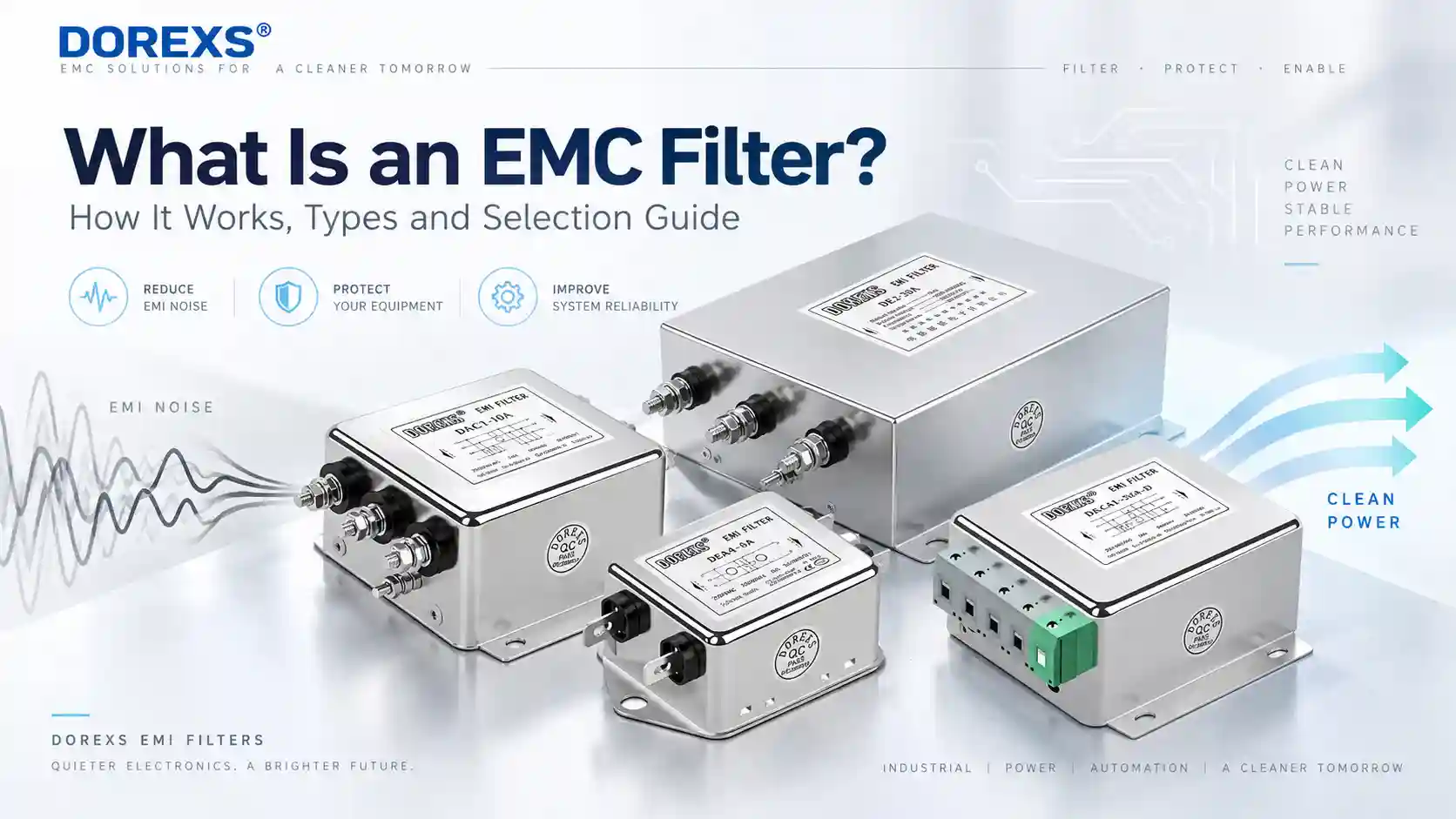
Plug in EMI filters are crucial for minimizing electromagnetic interference in various electronic systems. These devices ensure your electronics operate smoothly by filtering out unwanted noise. In this article, we’ll explore what plug in EMI filters are, their key benefits, and guidelines for selecting the right plug in EMI filter for your needs. Many plug in EMI filters are designed for plug-and-play installation, requiring no complex setup.

Key Takeaways
-
Plug-in EMI filters are essential for reducing electromagnetic interference in various electronic devices, enhancing performance while ensuring that desired signals are preserved.
-
Choosing the right EMI filter involves assessing interference sources, matching specifications with equipment requirements, and considering environmental factors that affect filter performance, as well as the availability of different configuration options to suit various installation needs. It is important to address the need to select a filter that effectively reduces both the type and magnitude of EMI present in the application, ensuring protection for sensitive equipment.
-
Emerging trends in EMI filter technology include smart system integration, miniaturization for compact device applications, and the use of sustainable materials to promote eco-friendliness in electronics.
Understanding Plug in EMI Filters
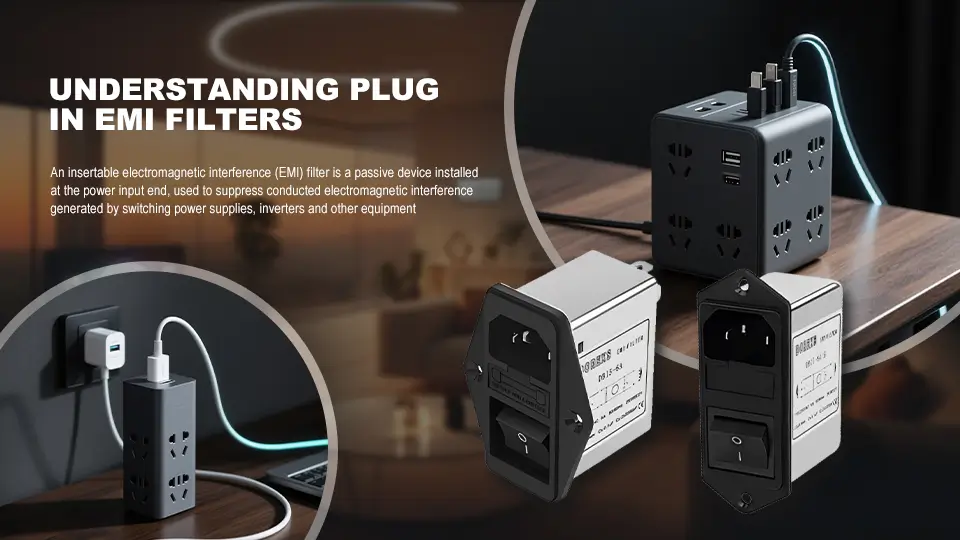
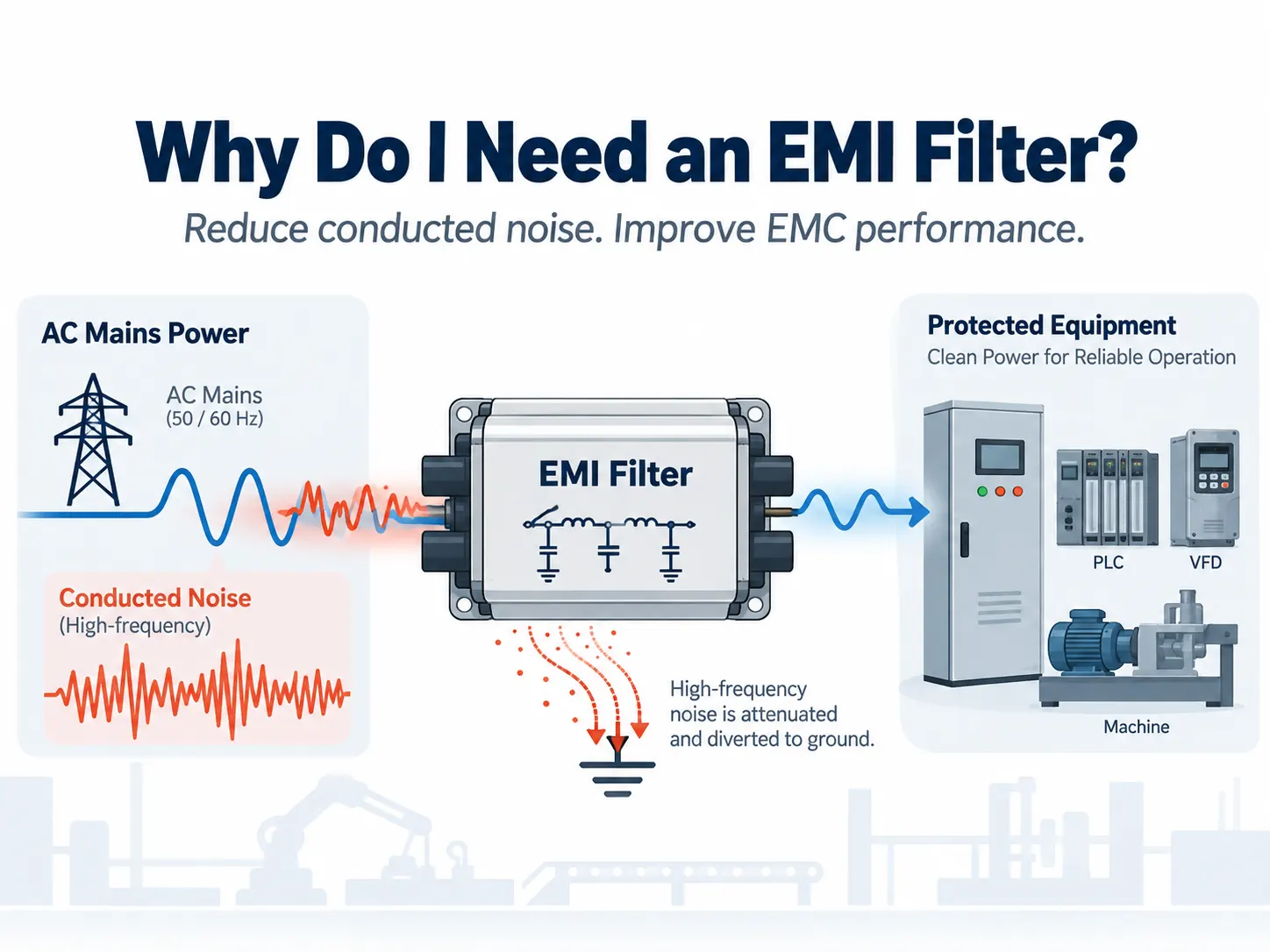
Plug-in EMI filters play a crucial role in electronics by combating electromagnetic interference. These filters consist of various key components, such as capacitors and inductors, that work together to filter out unwanted noise while allowing desired signals to pass through.Plug in EMI filters are designed to suppress both common mode and differential mode electrical noise, which are the primary sources of EMI in real life power lines.
Their effectiveness hinges on designed product material choice and construction details aspects types techniques.Electrical noise can occur in both common mode (between line and ground) and differential mode (between line and neutral), and effective filters target both modes.
Definition of Plug in EMI Filters
These devices block harmful electromagnetic noise in electronic systems. Their primary purpose is to enhance the performance of electronic devices by reducing EMI, ensuring that normal currents pass through while harmful noise is suppressed.
In addition to EMI suppression, some plug in EMI filters offer features such as surge protection or flexible installation options.
How Plug in EMI Filters Work
The primary mechanism of plug-in EMI filters involves allowing low-frequency signals to pass while attenuating high-frequency noise. Selective attenuation reduces EMI, enhancing system performance and reliability by preventing unwanted electrical noise from reaching sensitive equipment.
Common Applications
Plug-in EMI filters find applications across a broad spectrum of industries. They protect consumer electronics like TVs and audio systems from interference, resulting in clearer signals and improved performance. Medical devices depend on these filters for accurate signal processing and noise protection, crucial for patient safety and diagnostics.
Industrial systems use these filters to minimize interference in manufacturing equipment, maintaining operational reliability. Plug-in EMI filters can be used in both single phase and dc power lines to protect equipment and improve the reliability of the electrical network. In telecommunications, these filters improve signal quality and prevent data loss.
In automotive electronics, these filters reduce noise affecting navigation and other systems.
Key Features of High-Quality Plug in EMI Filters

High-quality EMI filters block unwanted noise and ensure a stable power supply for electronic devices. Choosing the right filter requires understanding the device’s specifications and matching voltage, current, and frequency requirements.Many high-quality plug in EMI filters offer advanced features such as surge protection or multiple installation options.
Real-world application has demonstrated its effectiveness in enhancing performance and reducing interference across a multitude of sectors, as summarized in this summary.
Attenuation Performance
Attenuation performance, measured by insertion loss, is a critical metric for EMI filters. In consumer electronics, these filters enhance signal clarity and reduce noise, improving audio and video quality. In medical devices, these filters ensure accurate readings and safe operation by reducing interference.
Strong attenuation from these filters increases reliability and prevents operational failures.
Frequency Range Coverage
Selecting an appropriate EMI filter requires considering its frequency range. They operate effectively over frequency ranges from kilohertz to gigahertz.
Targeting specific frequency ranges allows effective noise suppression in various applications.
Compliance with EMC Standards
EMC standard compliance ensures the safety and effectiveness of these filters. Designers must account for radiated and conducted emissions and susceptibility to ensure reliable performance.
Choosing the Right Plug in EMI Filter for Your Needs

When following guidelines for selecting the right plug in EMI filter for your needs, it is important to remember that careful selection of the appropriate filter is crucial for effective EMI mitigation.
Selecting the right EMI filter requires understanding interference sources and the specific challenges faced by your equipment. This involves matching the filter’s specifications to operational requirements and considering environmental factors affecting performance and durability.
Selecting the right EMI filter requires understanding interference sources and the specific challenges faced by your equipment. This involves matching the filter’s specifications to operational requirements and considering environmental factors affecting performance and durability.
Assessing EMI Sources
Digital circuitry, motors, power lines, as well as relays, are common EMI sources that introduce noise into sensitive equipment. Choosing the right filter requires understanding these challenges and the device’s operational needs.
Early detection and thorough testing are crucial to address EMI issues before late development stages.
Matching Filter Specifications to Equipment
The EMI filter’s specifications must match the equipment’s electrical characteristics like voltage and current for optimal protection. The filter’s rated current must exceed the equipment’s steady-state current to avoid overheating and maintain effective noise suppression, and proper electrical connection is also essential for optimal filter performance.
Considering Environmental Factors
Temperature, humidity, and location can significantly impact EMI filter performance and lifespan, so the operational environment should always be considered when selecting a filter. Selecting filters based on ambient temperature ratings and environmental resilience ensures reliable operation.
Installation and Maintenance Tips for Plug in EMI Filters

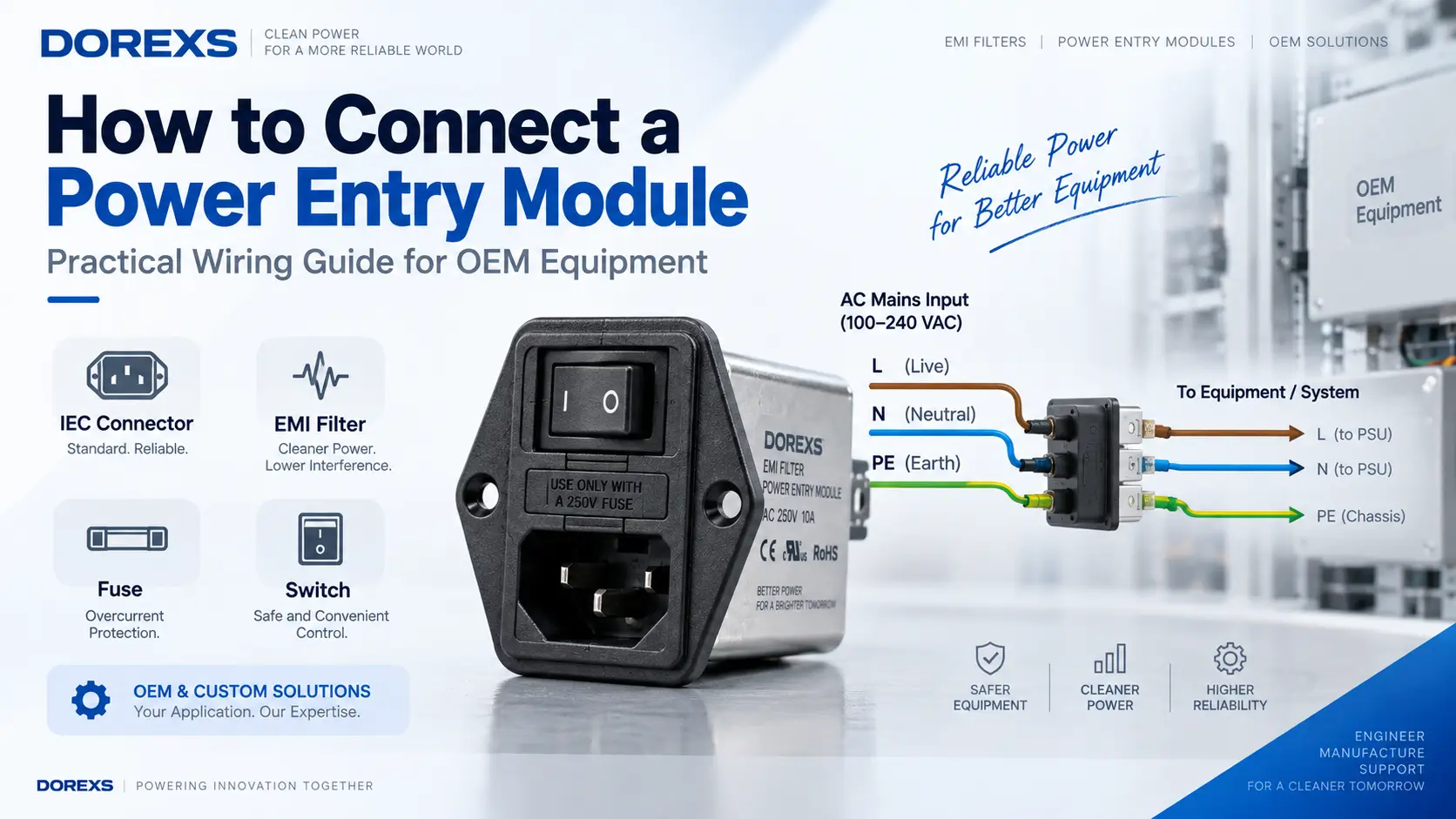
Proper installation and routine maintenance are essential for ensuring the effectiveness of EMI filters, and plug in EMI filters are designed to be easily installed in a variety of systems. Best installation practices, regular maintenance, and troubleshooting common issues enhance filter performance and longevity.
Proper Installation Techniques
High-quality EMI filters are robustly constructed for durability in various applications. Proper grounding ensures low impedance connections, minimizing interference and optimizing filter performance.
Separating power and control wiring and placing the filter near the EMI source enhances noise mitigation.
For complex installations or to ensure compliance with safety standards, it is advisable to consult a qualified electrician.
Routine Maintenance Procedures
Regular maintenance ensures EMI filters function correctly and protect equipment from interference. Regularly checking ground connections and inspecting wiring can prevent significant performance issues, acting as a crucial connector in the system.
Consistent maintenance extends filter life and enhances overall system functionality.
Consistent maintenance extends filter life and enhances overall system functionality.
Troubleshooting Common Issues
Noise in the system often indicates EMI issues, necessitating careful inspection of filter wiring and grounding. Excessive insertion loss can indicate questions degrading system performance.
Promptly addressing these problems maintains optimal filter solutions functionality.
Promptly addressing these problems maintains optimal filter solutions functionality.
Case Studies: Successful Implementation of Plug in EMI Filters

Case studies show plug-in EMI filters’ effectiveness in reducing interference and enhancing performance. Some case studies highlight the use of plug in EMI filters with integrated surge protectors for added equipment protection.
Consumer Electronics
A consumer electronics case study demonstrates EMI filters’ effectiveness in mitigating interference. Adding a capacitor improved performance in the IEC-61000-4-4 test, enhancing stability and reducing noise.
Medical Devices
In medical devices, EMI filters are essential for reliability and performance. In one case, EMI filters in a medical imaging device reduced noise interference and enhanced diagnostic accuracy.
Industrial Systems
EMI filters protect industrial equipment from interference, ensuring reliable operation in manufacturing environments. One manufacturing plant saw a 30% reduction in equipment failures due to EMI after implementing filters.
A semiconductor facility integrated combined EMI filters, enhancing production efficiency and minimizing disruptions.
Emerging Trends in EMI Filter Technology
The EMI filter industry is evolving with trends in smart system integration, miniaturization, and sustainable materials. These advancements aim to enhance device performance and address environmental concerns.
Integration with Smart Systems
Smart system integration enhances EMI filters’ functionality, compatibility, and performance. Miniaturization leads to smaller, more efficient filters for modern devices.
Miniaturization and Efficiency Improvements
Demand for compact devices drives miniaturization, prompting the design of smaller, effective EMI filters. Advancements include materials that reduce size and improve performance in high-frequency applications.
These developments align with the trends in automation and IoT things applications.
Sustainable Materials and Designs
Environmental regulations and sustainable practices drive the focus on eco-friendly materials in EMI filters. Developing eco-friendly EMI filters addresses these concerns and promotes sustainability in electronics.
Summary
Summarize the key points discussed, emphasizing the importance of choosing the right EMI filter for enhancing device performance and reliability. Conclude with an inspiring note on staying updated with emerging trends in EMI filter technology.
Frequently Asked Questions
What are plug-in EMI filters?
Plug-in EMI filters are essential devices that block harmful electromagnetic noise, significantly improving the performance of electronic systems by mitigating electromagnetic interference.a
How do plug-in EMI filters work?
Plug-in EMI filters function by facilitating the passage of low-frequency signals while suppressing high-frequency noise, effectively minimizing electromagnetic interference in electrical systems.
Where are plug-in EMI filters commonly used?
Plug-in EMI filters are commonly used in consumer electronics, medical devices, industrial systems, telecommunications, and automotive electronics to mitigate electromagnetic interference effectively.
What should I consider when choosing an EMI filter?
When selecting an EMI filter, it is essential to evaluate the sources of electromagnetic interference, ensure the filter's specifications align with your equipment's needs, and take into account any environmental factors that could affect performance.
What are the emerging trends in EMI filter technology?
Emerging trends in EMI filter technology focus on the integration with smart systems, miniaturization, and the adoption of sustainable materials and designs. These advancements reflect a commitment to enhancing efficiency and environmental responsibility.
Top Power Supply Filter Design Techniques for Reliable Performance
EMC Filter VFD: Complete Guide to Electromagnetic Compatibility Filters for Variable Frequency Drives