Top Strategies on How to Reduce Electromagnetic Interference (EMI)
Understanding how to mitigate electromagnetic interference (EMI), which can adversely affect the functionality of electronic devices, is crucial for users of delicate electronics. This piece offers clear strategies such as implementing shielding, establishing grounding, and organizing cables to successfully decrease EMI within your devices.
DOREXS is a professional company providing EMI solutions.
DOREXS is a professional company providing EMI solutions.
Key Takeaways
- Electromagnetic interference (EMI) affects electronic device functionality and can stem from both natural occurrences, like lightning, and human-made sources, such as industrial machinery.
- Effective EMI reduction techniques include shielding, grounding, and proper cable management, all of which are essential to maintain device performance and reliability.
- Regulatory compliance with electromagnetic compatibility (EMC) standards and careful selection of materials, such as copper for shielding, are crucial for reducing EMI and ensuring the safety of electronic products.
Understanding Electromagnetic Interference
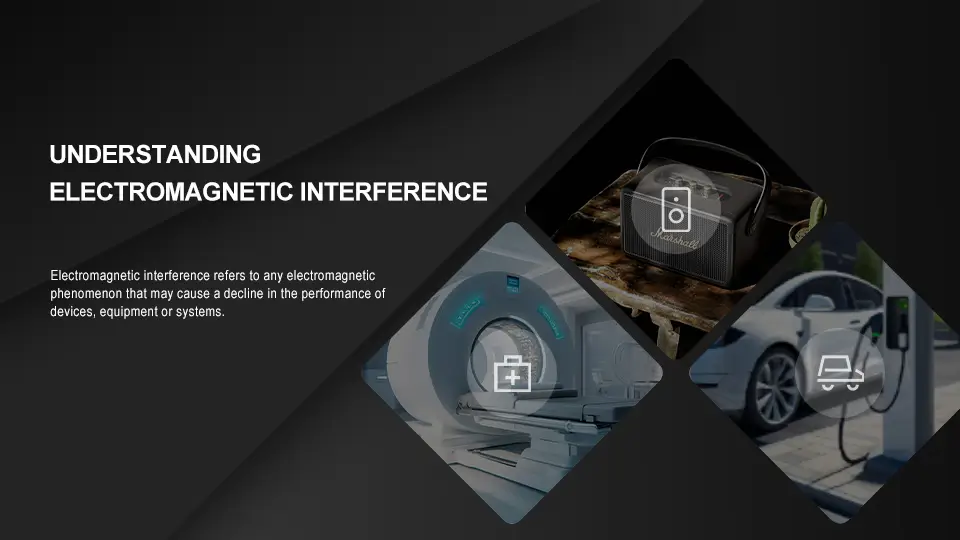
Electromagnetic interference, or EMI, is an intrusive disruption that occurs in electrical circuits due to external electromagnetic fields. This problem can significantly hinder the functionality of electronic devices and even cause them to fail completely. Such disruptions could lead to severe consequences like a malfunctioning medical device during a critical procedure or the breakdown of communication systems when they are needed most.
EMI originates from numerous sources such as natural events including lightning strikes and solar flares, which have the potential to generate intense electromagnetic fields capable of interfering with electronics. Man-made activities also contribute greatly through various consumer electronics, electronic products, and industrial machines generating their own EMI. Consequently, this issue plagues numerous sectors such as industrial machinery manufacturing and industrial environments, healthcare for medical devices operation, and everyday use in consumer electronics.
Comprehending the significance of maintaining electromagnetic compatibility (EMC) cannot be overstated. Regulatory bodies such as the IEC and FCC set acceptable limits for EMI to ensure device safety and reliability. Failing EMC standards can result in grave operational malfunctions, underscoring why adherence to these regulations is essential for assuring both product safety and reliability. Our forthcoming discussion will cover typical origins of EMI along with strategic approaches for its mitigation.
Introduction to Electromagnetic Compatibility
Electromagnetic compatibility (EMC) is a fundamental concept in the world of electronic devices, ensuring that each electronic device can function properly within its electromagnetic environment without causing or falling victim to intolerable electromagnetic interference (EMI). As our daily lives become increasingly dependent on electronic devices and systems, the presence of electromagnetic waves and electromagnetic radiation grows ever more pervasive. EMC is all about designing electronic devices that emit only acceptable levels of electromagnetic emissions while remaining resilient to interference from other devices operating nearby.
Achieving EMC is not just a technical goal—it is often a legal requirement, with regulatory bodies like the Federal Communications Commission (FCC) setting strict standards for electromagnetic emissions. Compliance with these standards is essential for electronic devices sold in major markets, helping to guarantee that products can coexist harmoniously and reliably in a crowded electromagnetic environment.
Common Sources of EMI
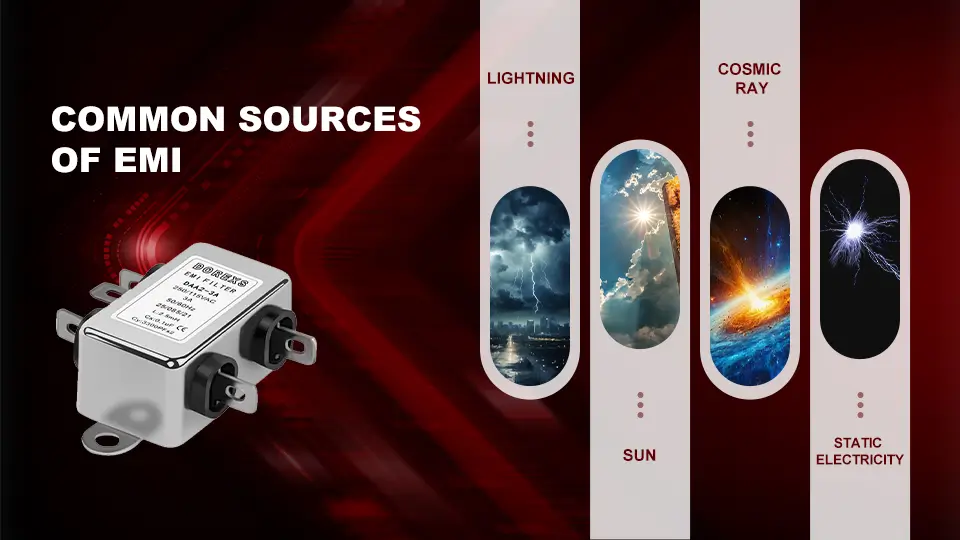
Electromagnetic interference (EMI) arises from numerous origins, known as EMI sources, which can be broadly classified into natural and artificial. Natural occurrences like solar flares and lightning generate potent electromagnetic fields, while man-made sources encompass a range of electronic devices and electrical equipment that release electromagnetic radiation. The EMI generated by both natural and artificial sources can significantly impact electronic systems. These are frequently the typical culprits behind EMI, including specific types such as radio interference.
It’s imperative to pinpoint the exact EMI sources responsible for EMI in order to minimize its impact on electronic systems. Understanding where EMI comes from is key to devising successful strategies to curtail it.
Our exploration will begin with an examination of natural events before delving into human-produced sources.
Natural Sources of EMI
Lightning and solar flares are natural phenomena that generate EMI by producing intense electromagnetic fields capable of interfering with and harming electronic devices. These atmospheric occurrences can unleash substantial electromagnetic disruptions, leading to global effects on electronic systems. They have the ability to produce an electromagnetic field influencing various devices through their emitted electromagnetic waves.
When objects carrying a charge come into proximity and suddenly transfer energy, electrostatic discharge (ESD) occurs, representing yet another source of natural EMI that disturbs electronic circuits. Such erratic events can significantly affect our electronics-dependent infrastructure, underscoring the necessity for robust protective measures against these sources of interference.
When objects carrying a charge come into proximity and suddenly transfer energy, electrostatic discharge (ESD) occurs, representing yet another source of natural EMI that disturbs electronic circuits. Such erratic events can significantly affect our electronics-dependent infrastructure, underscoring the necessity for robust protective measures against these sources of interference.
Man-Made Sources of EMI
In today’s world, sources of EMI created by humans are found everywhere. Numerous electronic devices such as mobile phones, communication systems, industrial machinery, and power lines release electromagnetic energy that can disrupt the function of other equipment. Switching power supplies are especially well-known for producing noise that leads to EMI.
Vehicle ignition systems also contribute considerably to the issue by releasing electromagnetic radiation which has an impact on adjacent electronics and devices.
Acknowledging these contributors is critical in developing efficient strategies to minimize EMI, along with taking additional measures. This helps ensure uninterrupted functionality of various electronic devices and systems.
Vehicle ignition systems also contribute considerably to the issue by releasing electromagnetic radiation which has an impact on adjacent electronics and devices.
Acknowledging these contributors is critical in developing efficient strategies to minimize EMI, along with taking additional measures. This helps ensure uninterrupted functionality of various electronic devices and systems.
DOREXS can provide customized EMI solutions for various industries, such as medical grade EMI power filters, military grade EMI filters, consumer appliance power line filters, etc.
Identifying Interference Sources
Pinpointing the sources of electromagnetic interference is a critical first step in reducing EMI within electronic devices. Common culprits include other electronic devices, power supplies, and communication systems operating in close proximity. Additionally, internal sources such as microcontrollers, digital circuits, and high speed signals can generate significant electromagnetic noise, especially in densely packed electronic systems. Effective EMI reduction begins with identifying these sources and understanding how they contribute to overall electromagnetic emissions. Techniques such as filtering, shielding, and careful PCB layout can help mitigate interference from both internal and external sources. By addressing these issues early in the design process, engineers can ensure that electronic devices operate efficiently, reliably, and in compliance with regulatory standards for electromagnetic emissions.
Effective Techniques to Reduce EMI
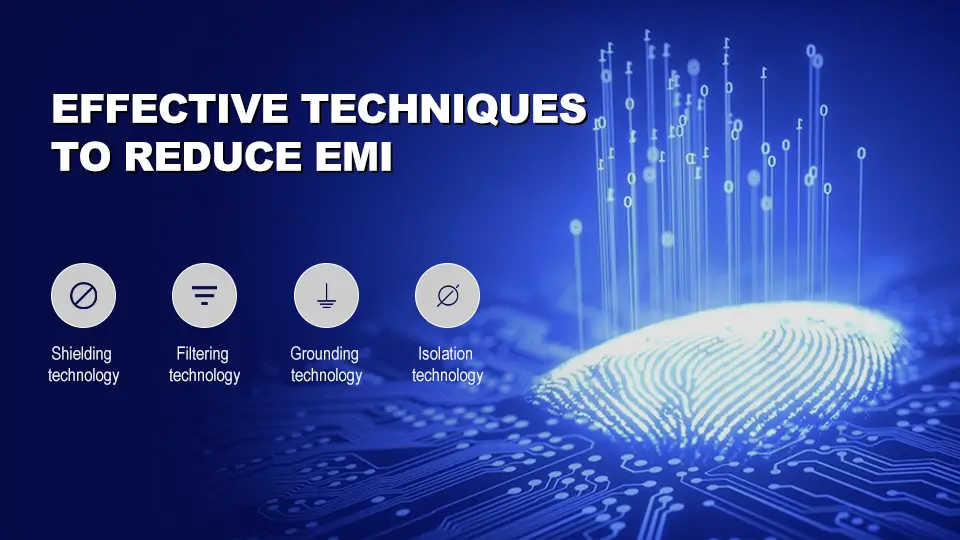
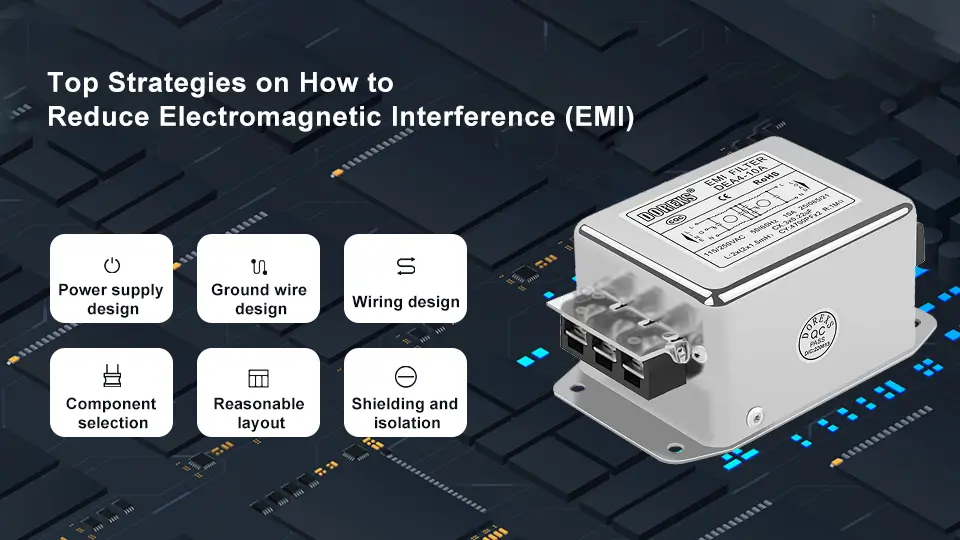
To mitigate electromagnetic interference, a comprehensive strategy is necessary. Shielding, grounding, and meticulous cable management are all critical techniques that can substantially diminish EMI and improve the functionality of devices when implemented properly.
The process of shielding involves wrapping circuits within metal housings to obstruct unwelcome electromagnetic radiation. Grounding establishes an avenue for extraneous currents to be harmlessly dispersed, while diligent cable management helps reduce cables’ susceptibility to sources of interference. We will explore each of these methods in more depth, offering useful guidance and examples.
The process of shielding involves wrapping circuits within metal housings to obstruct unwelcome electromagnetic radiation. Grounding establishes an avenue for extraneous currents to be harmlessly dispersed, while diligent cable management helps reduce cables’ susceptibility to sources of interference. We will explore each of these methods in more depth, offering useful guidance and examples.
Shielding Techniques
Shielding plays a vital role in safeguarding electronic devices from the intrusion of electromagnetic radiation and radio frequency energy. The practice of housing circuits within metallic enclosures—often made from conductive or magnetic materials—serves to both absorb and reflect unwanted electromagnetic emissions, with additional layers of shielding providing enhanced protection over using just a single layer. A common shielding method is the use of a faraday cage, which employs a conductive enclosure to block electromagnetic fields.
By incorporating metal enclosures into device construction, these barriers serve as effective shields that obstruct electromagnetic fields, thereby preventing EMI from disrupting the normal operation of electronic components within devices.
With advancements in high-speed electronic devices along with various other electronics, concerns regarding EMI have escalated due to more compact designs increasing their vulnerability. This heightened susceptibility means that even small amounts of interference can significantly impact the performance and functionality of these sophisticated components and systems.
Grounding Methods
By creating a pathway for the safe dissipation of undesired currents, grounding serves to diminish electromagnetic interference (EMI) by providing a stable reference point for the circuit, which helps reduce electromagnetic interference. Implementing proper methods channels these EMI currents away from delicate components, thus safeguarding consistent functioning of devices. The efficiency in mitigating EMI is heightened when there are numerous ground points incorporated into an expansive ground plane, as establishing multiple ground points ensures low inductance paths and effective noise reduction.
The implementation of sound grounding techniques plays a pivotal role in curtailing electromagnetic interference and maintaining safety within electronic configurations. Devices that are appropriately grounded demonstrate increased resistance to EMI disruptions, which underscores the significance of grounding as a strategy for reducing EMI.
Cable Management
Effective management of cables is essential in mitigating electromagnetic interference. To minimize such interference, it’s advisable to employ distinct conduits or cable trays specifically for power wiring, instrument signal wires, and data lines. Data lines should be routed carefully and, where possible, filtered to minimize their role as sources or pathways for EMI. Ensuring that instrument wiring intersects with power cabling at right angles (90 degrees) can aid in maintaining adequate separation and lowering the risk of EMI. For high-speed data transmission, using differential pairs—two wires placed close together—can enhance noise cancellation and reduce interference.
Curtailing the length of exposed instrumentation cables by ensuring they are closely coiled together can considerably diminish EMI. Given that apparatuses such as electric motors and transformers are sources of electromagnetic interference, especially when operating at elevated currents, meticulous organization of cables becomes paramount for reducing electromagnetic disturbance.
Decoupling Capacitors for Interference Reduction
Decoupling capacitors are a powerful tool for reducing electromagnetic interference in electronic devices. By strategically placing these capacitors near power pins and sensitive components, designers can filter out high-frequency electromagnetic noise and provide a low-impedance path to ground for unwanted electromagnetic energy. This not only helps to reduce the amount of electromagnetic radiation emitted by the device, but also minimizes the risk of ground loops and other forms of interference.
In addition to decoupling capacitors, bypass capacitors can be used to further suppress electromagnetic noise, enhancing the overall performance and stability of the electronic device. Incorporating these components into the design is a straightforward yet highly effective way to reduce electromagnetic interference and ensure reliable device operation.
Common Mode Interference Reduction
Common mode interference is a specific type of electromagnetic interference that affects both lines of a two-wire circuit equally, making it particularly challenging to eliminate with standard filtering techniques. To address this, designers often employ differential signaling, which transmits desired signals in opposite phases, allowing common mode noise to be effectively rejected by the receiving circuitry.
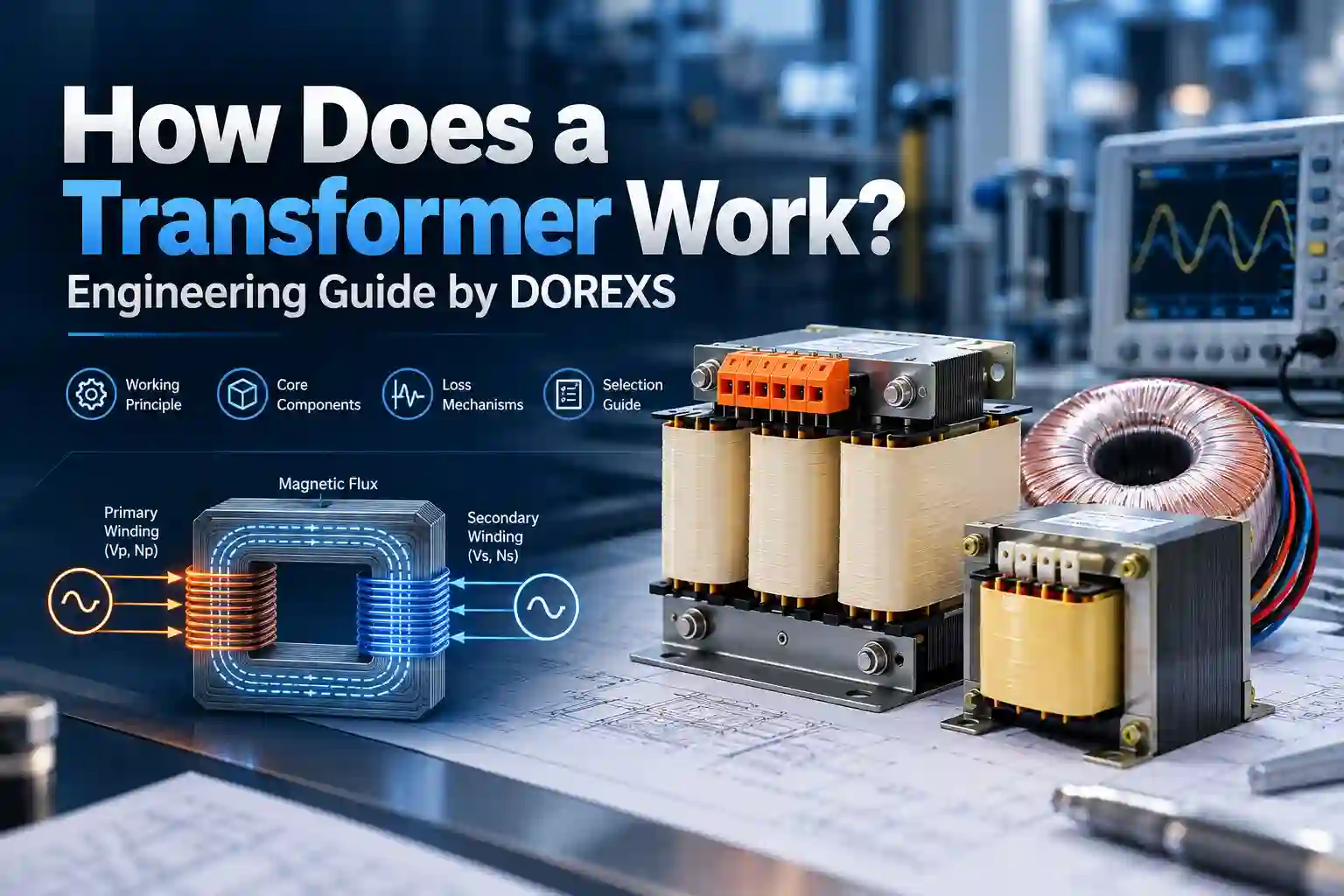
Additionally, the use of common mode chokes and specialized filters can further reduce common mode interference, helping to suppress unwanted electromagnetic emissions. By implementing these strategies, electronic devices can achieve greater immunity to interference, operate more reliably, and meet stringent regulatory requirements for electromagnetic emissions.
Regulatory Compliance and EMC Testing
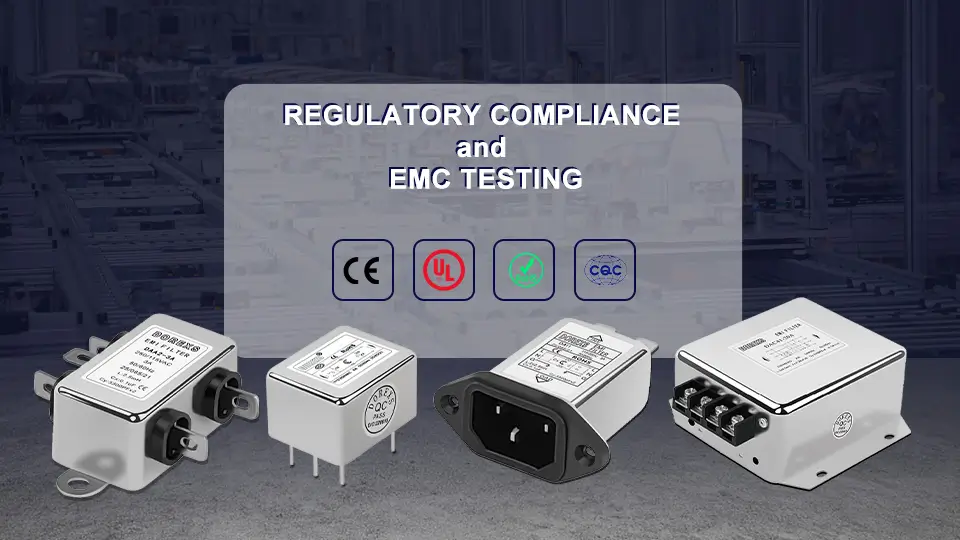
Ensuring that electronic devices adhere to the lawful parameters for emitting electromagnetic radiation is essential for regulatory compliance. In the United States, it’s the responsibility of the Federal Communications Commission (FCC) to oversee and enforce emc requirements and standards related to electromagnetic compatibility.
To determine whether a device meets these standards, EMC testing evaluates its emissions and how well it functions when subjected to electromagnetic fields. Certified laboratories play an instrumental role in this process by guiding manufacturers through conformity assessment procedures. The goal of EMC testing is to achieve compliance with regulatory standards by ensuring devices meet emc requirements and acceptable limits for electromagnetic emissions. The goal of meeting EMI regulations is achieved by diminishing any potential interference caused by the device’s own electromagnetism.
Choosing the Right Materials and Components
Effective component selection is essential for minimizing electromagnetic interference (EMI), as choosing the right components and their placement can significantly reduce emissions and improve system performance.
Selecting appropriate materials and components is crucial for minimizing electromagnetic interference (EMI) in electronic devices. Copper stands out as a highly effective EMI shielding material due to its superior conductivity, which enables it to dampen both electric and magnetic waves effectively. Notably, Copper alloy 770 is favored for such applications because of its resistance to corrosion and usefulness where the use of magnetic materials needs to be limited. For those seeking more economical options for EMI shielding, alternatives like tinned steel or metalized plastics can serve well. Employing conductive gaskets along with isolation transformers and conductive coatings can aid in preventing EMI from infiltrating through seams or non-metallic areas.
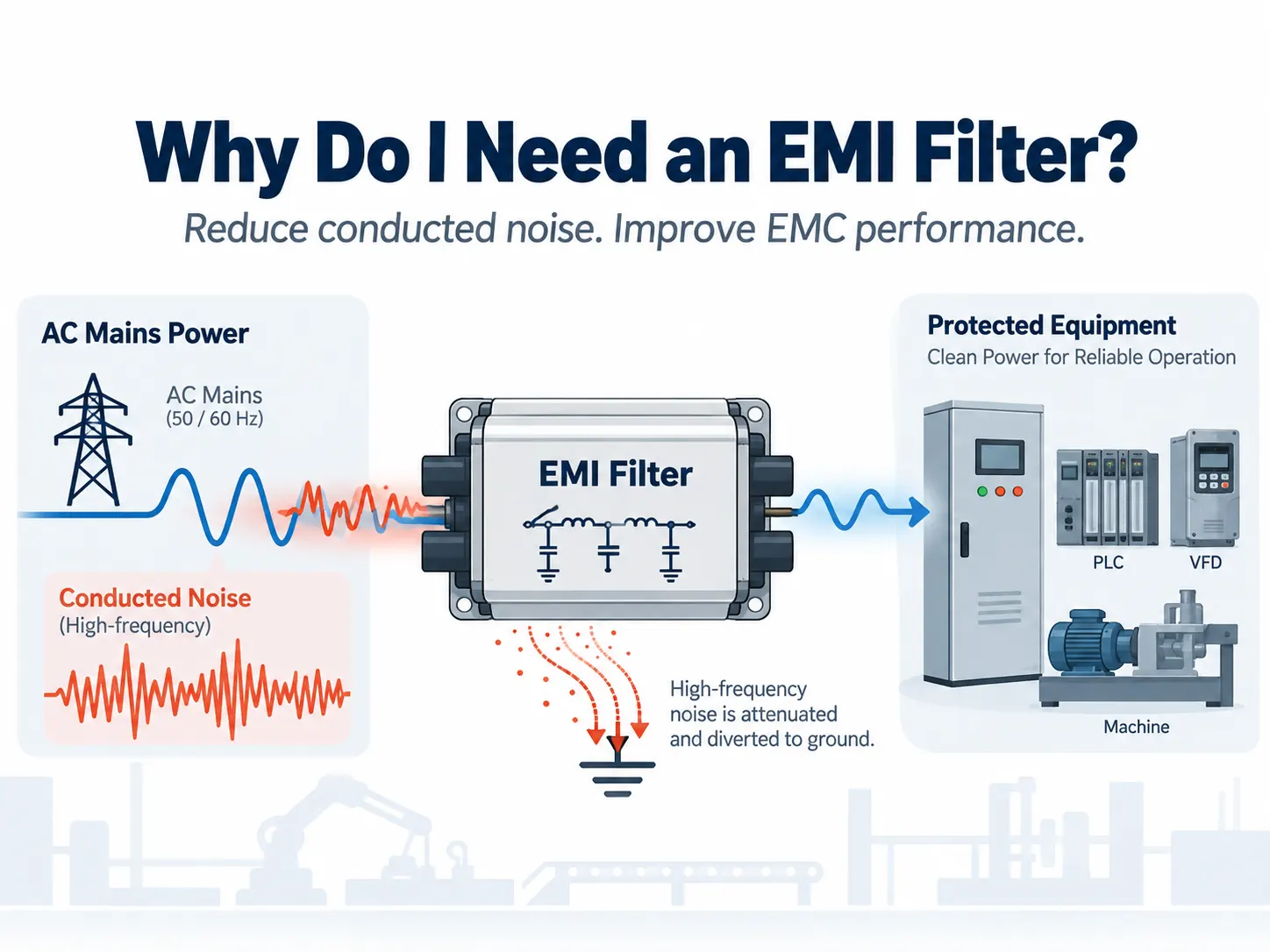
In PCB design, incorporating a dedicated power plane is recommended to provide stable power distribution and further reduce EMI, especially when placed adjacent to ground planes in multi-layer boards. Implementing robust power line filters as well as ferrite beads is an efficient strategy to diminish EMI by purifying voltage signals that are directed into devices while also curtailing high-frequency noise present within circuits—including those stemming from the power supply itself. Additionally, using capacitors to form low pass filters at strategic points in the circuit helps bypass high-frequency noise, further lowering EMI emissions and improving signal integrity.
Designing for EMI Reduction
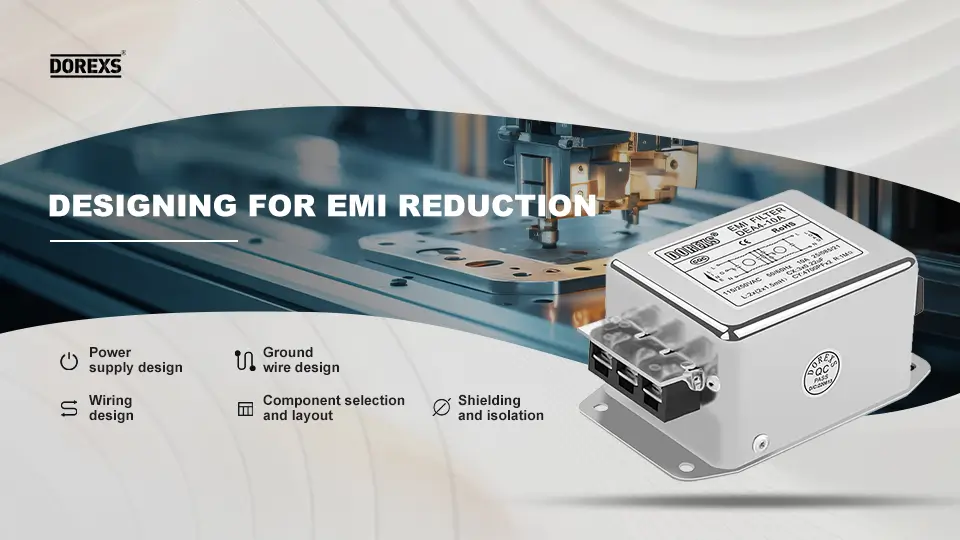
Implementing strategies to mitigate electromagnetic interference (EMI) while designing electronic devices improves their dependability and the device's ability to operate within regulatory limits. Keeping a distance between cables carrying power and those transmitting signals can markedly decrease EMI. Tidy cable organization, along with reducing the length of cables, lessens the loop area which in turn diminishes EMI induction.
The design configuration of printed circuit boards (PCBs) and overall pcb design play a substantial role in both how much electromagnetic emissions are generated by a device and its vulnerability to interference. Careful PCB layout, including the proper routing of signal traces, is essential to minimize EMI. EMI can occur across a wide frequency range, from DC up to well above 50 MHz, and special attention is needed at high frequencies where the risk of interference increases. Ensuring power integrity has a critical role in reducing EMI by maintaining stable voltage and current throughout the power distribution network. By taking EMI reduction into account early in the design process, engineers can develop an electronic system that is stronger, more reliable, and compliant with EMC standards by considering EMI at the system level.
Summary
It is crucial to minimize electromagnetic interference in order to guarantee the dependability and functionality of electronic devices. There are a variety of methods available for mitigating EMI, which include understanding its origins as well as applying practical measures such as shielding, grounding, and managing cables. The success of efforts to diminish EMI is also improved by adhering to regulatory standards and selecting materials carefully.
Incorporating these techniques early on during the design process enables engineers to develop devices capable of operating consistently amidst substantial electromagnetic disruptions. With an understanding of how to combat EMI effectively in your endeavors, you can ensure that your electronic devices will operate optimally.
Incorporating these techniques early on during the design process enables engineers to develop devices capable of operating consistently amidst substantial electromagnetic disruptions. With an understanding of how to combat EMI effectively in your endeavors, you can ensure that your electronic devices will operate optimally.
Frequently Asked Questions
What is electromagnetic interference (EMI)?
Electromagnetic interference (EMI) is a term used to describe disruptive disturbances in electrical circuits that arise from external electromagnetic fields. These disturbances can interfere with the standard operation of electronic devices.
Managing EMI is essential for maintaining the dependable performance of technological equipment.
Managing EMI is essential for maintaining the dependable performance of technological equipment.
What are common natural sources of EMI?
Common natural sources of EMI include lightning strikes, solar flares, and electrostatic discharge. These phenomena can disrupt electronic equipment and communication systems.
How can shielding techniques help reduce EMI?
Encasing circuits within metallic enclosures using shielding techniques is an effective way to substantially lower electromagnetic interference (EMI) by obstructing undesirable electromagnetic radiation.
Implementing several layers of shielding provides superior defense against EMI than utilizing just a single layer.
Implementing several layers of shielding provides superior defense against EMI than utilizing just a single layer.
Why is regulatory compliance important for EMI?
Ensuring regulatory compliance is crucial for electronic equipment in relation to EMI, as it confirms adherence to established legal criteria for electromagnetic radiation. This not only protects the devices and their users, but also builds confidence in the product while meeting mandatory regulations within major markets like the U.S. and European Union.
What materials are effective for EMI shielding?
Due to their superior conductivity and ability to dampen electromagnetic waves, materials such as copper, alloy 770 of copper, tinned steel, and plastics coated with metal are exceedingly efficient at providing EMI (electromagnetic interference) shielding.
Top VFD Filters for Enhanced Motor Protection
The Ultimate Guide to Choosing an Electromagnetic Interference Filter