EMI in Computer-Understanding Electromagnetic Interference and Its Impact on Computing Systems
In the design of computers and electronic equipment, EMC (Electromagnetic Compatibility) is a common topic. This involves ensuring that the device meets its intended function while also minimizing excessive external radiation and providing robust interference resistance. EMI suppression and EMC design are closely related topics.
Key Takeaways
- Electromagnetic interference in computers can cause data corruption, system crashes, and performance degradation, costing businesses up to $9,000 per minute in downtime
- Common EMI sources include switching power supplies, wireless devices, power transmission lines, and high-frequency digital circuits within computer systems
- EMI affects computers through conducted interference via cables, radiated interference through air, and electromagnetic coupling between nearby components
- Effective EMI prevention requires proper shielding, grounding techniques, filtered power supplies, and compliance with FCC Part 15 regulations
- Modern computers incorporate electromagnetic compatibility design principles, ferrite cores, and shielded enclosures to minimize both EMI susceptibility and emissions
What is EMI in Computer Systems?
Electromagnetic interference in computer systems represents one of the most critical yet often overlooked challenges in modern computing environments. EMI occurs when unwanted electromagnetic noise disrupts the normal operation of electronic devices, particularly sensitive electronic equipment like computers, servers, and networking hardware.
In computing contexts, electromagnetic interference manifests as unwanted electromagnetic signals that interfere with digital communications, corrupt data transmission, and degrade overall system performance. This electromagnetic noise can originate from various sources and affect different frequency ranges, making it a complex challenge for IT professionals and system designers.
Computer systems are particularly vulnerable to EMI because they operate using precise digital signals and high-speed switching circuits. When electromagnetic disturbances interfere with these signals, the results can range from minor performance hiccups to complete system failures. The sensitivity of modern electronics has increased dramatically as circuit geometries have shrunk and operating voltages have decreased, making today’s computers more susceptible to electromagnetic interference than their predecessors.
EMI in computer systems operates across a broad electromagnetic spectrum, from low-frequency power line interference at 50-60 Hz to high-frequency digital switching noise in the gigahertz range. Each frequency range presents unique challenges and requires specific mitigation strategies. Understanding these frequency characteristics is essential for diagnosing and preventing EMI-related issues in computing environments.
The distinction between EMI susceptibility and EMI emissions is crucial for computer professionals. While susceptibility refers to how computers are affected by external electromagnetic fields, emissions describe how computers themselves generate electromagnetic interference that can affect nearby electronic devices. Both aspects must be considered when designing, installing, and maintaining computer systems.

How EMI Affects Computer Performance and Reliability
Electromagnetic interference significantly impacts computer performance through multiple pathways, creating both immediate operational issues and long-term reliability concerns. Data corruption represents one of the most serious consequences of EMI in computer systems, affecting memory modules, storage devices, and data transmission pathways.
When electromagnetic noise interferes with digital signals, it can cause bit errors in RAM, cache corruption, and read/write errors in hard drives and solid-state drives. These data integrity issues often manifest as application crashes, file corruption, or seemingly random system errors that can be difficult to diagnose without understanding EMI principles.
System crashes and unexpected reboots frequently result from EMI affecting critical CPU operations and motherboard circuits. High-frequency electromagnetic interference can disrupt clock signals, causing timing errors that lead to processor lockups or system instability. These issues are particularly problematic in server environments where uptime is critical.
Network connectivity problems represent another significant impact area, with EMI causing packet loss, reduced WiFi performance, and Ethernet communication errors. Electromagnetic disturbances can interfere with both wired and wireless communication protocols, leading to degraded network performance and connectivity issues that affect productivity and user experience.
Display problems such as screen flicker, color distortion, and monitor interference are common manifestations of EMI in computing environments. These visual artifacts can result from electromagnetic fields affecting display cables, graphics processing units, or the display panels themselves.
Critical Impact on Different Computer Components
Computer processors and chipsets are particularly vulnerable to high-frequency EMI that affects clock signals and data bus communications. Modern CPUs operating at multi-gigahertz frequencies require extremely stable timing signals, and even minor electromagnetic interference can cause calculation errors or system instability.
Memory subsystems, including RAM and cache memory, are highly sensitive to electromagnetic interference due to their low-voltage operation and high-speed data access patterns. EMI-induced memory errors can cause applications to malfunction, data corruption, and system crashes that appear random but actually correlate with electromagnetic disturbance events.
Storage devices, particularly traditional hard drives with their sensitive read/write heads and rotating media, can experience interference leading to data loss and performance degradation. While solid-state drives are generally more resistant to EMI, they can still suffer from electromagnetic interference affecting their control circuits and data pathways.
Graphics cards and video processing units can exhibit EMI-related issues including visual artifacts, rendering errors, and display output problems. The high-frequency switching in modern GPUs makes them both sources of electromagnetic emissions and susceptible to external interference.

Sources of EMI in Computing Environments
Understanding the various sources of electromagnetic interference is essential for effective EMI management in computer systems. Internal computer sources generate significant electromagnetic noise, with switching power supplies being among the most problematic. These power supplies use high-frequency switching circuits to convert AC power to the various DC voltages required by computer components, creating broadband EMI that affects multiple frequency ranges.
High-speed digital circuits within computers, including processors, memory controllers, and graphics processors, generate substantial electromagnetic emissions during normal operation. The rapid switching of millions of transistors creates electromagnetic disturbances that can affect both internal components and nearby electronic devices.
Cooling fans with variable speed electric motors contribute to EMI problems, particularly when using pulse-width modulation for speed control. These motors can generate both electromagnetic emissions and electrical noise that affects power quality within computer systems.
External electromagnetic sources pose significant challenges for computer installations, particularly power transmission lines and electrical distribution systems. High power transmission lines create strong electromagnetic fields that can induce currents in computer cables and circuits, causing interference and potential damage.
Radio frequency spectrum usage by cellular towers, broadcast stations, and wireless communication devices creates an increasingly crowded electromagnetic environment. Computers must operate reliably despite this electromagnetic radiation from multiple sources operating across various frequency bands.
Office environments present unique EMI challenges with fluorescent lighting systems that generate electromagnetic noise across a broad frequency range. Microwave ovens, wireless routers, and the proximity of multiple computing devices create complex electromagnetic environments that require careful management.
Natural electromagnetic disturbances, including lightning strikes and solar flares, can generate intense electromagnetic pulses that overwhelm computer protection systems. While less frequent, these events can cause widespread damage to electronic equipment and highlight the importance of comprehensive EMI protection strategies.
Data Center and Server Room EMI Challenges
Data centers face particularly complex EMI challenges due to the concentration of high-powered electronic equipment in confined spaces. High-density server configurations create concentrated electromagnetic fields that can affect neighboring equipment, particularly when servers are not properly shielded or grounded.
Power distribution systems in data centers, including uninterruptible power supplies and power distribution units, generate substantial low-frequency EMI that can impact sensitive server components. The large amounts of current flowing through these systems create magnetic fields that can induce unwanted currents in nearby circuits.
Network infrastructure equipment, including switches, routers, and optical networking devices, contributes to the electromagnetic environment in data centers. While individually these devices may have minimal emissions, the cumulative effect of hundreds or thousands of networking devices can create significant EMI challenges.
HVAC systems with variable frequency drives and large electric motors create electromagnetic disturbances that can affect sensitive computer equipment. These systems are essential for maintaining proper operating temperatures but must be properly designed and installed to minimize electromagnetic interference.

Types of EMI Affecting Computer Systems
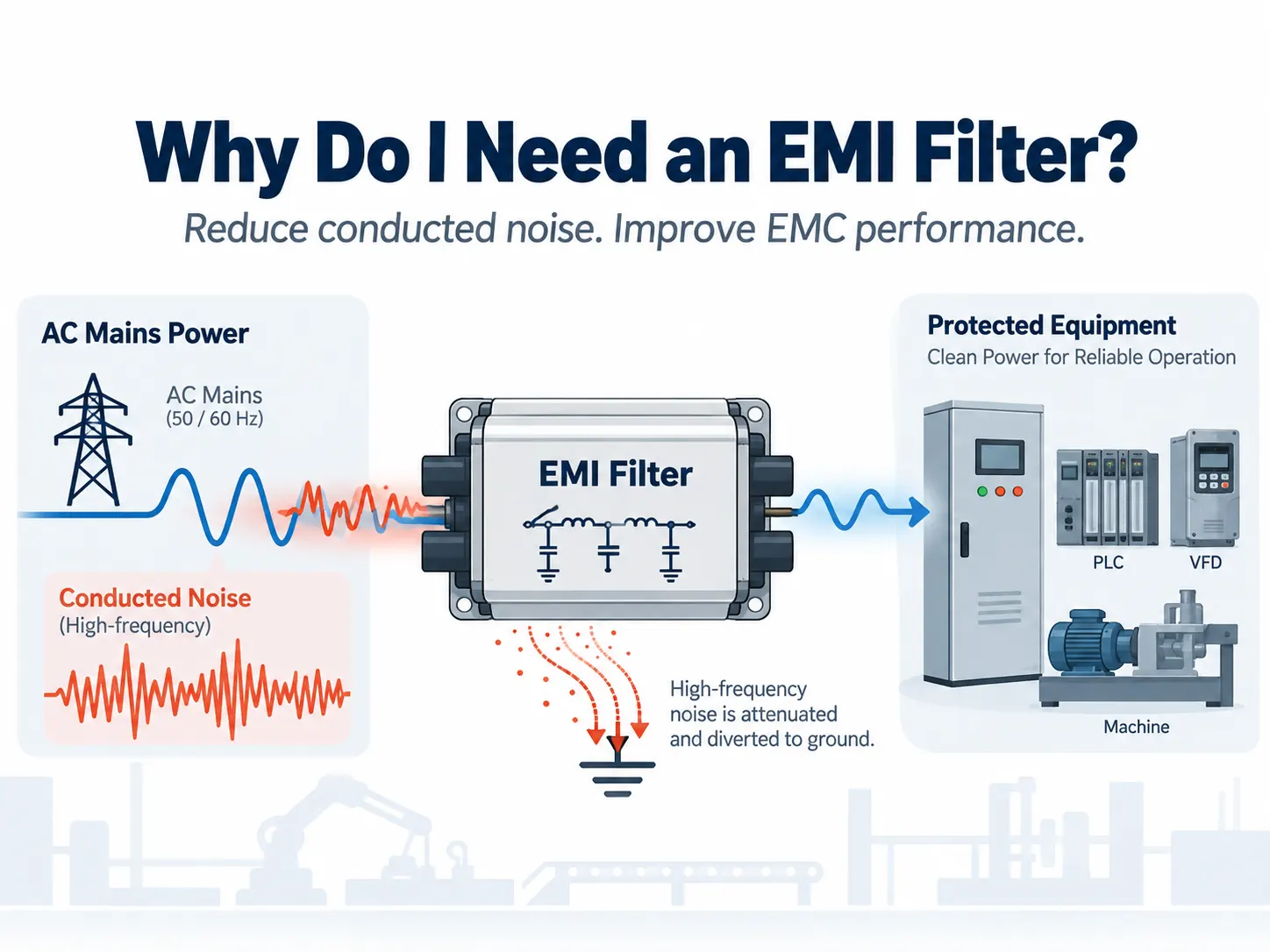
Electromagnetic interference affecting computer systems can be categorized into several distinct types, each requiring different understanding and mitigation approaches. Conducted EMI travels through physical electrical paths, including power cables, data lines, and ground connections, directly entering computer systems through their electrical connections.
This type of interference is particularly problematic because it bypasses external shielding and directly affects internal circuits. Conducted EMI often originates from switching power supplies, motor drives, and other devices connected to the same electrical system as the affected computers.
Radiated EMI transmits through air as electromagnetic waves, affecting wireless communications, display cables, and unshielded components within computer systems. This form of interference can travel significant distances and affect multiple devices simultaneously, making it challenging to isolate and eliminate.
Radiated EMI is particularly relevant in modern computing environments with widespread use of wireless communication devices, creating an increasingly complex electromagnetic spectrum that computers must navigate.
Electromagnetic coupling occurs through magnetic and capacitive coupling between adjacent circuits and cables, allowing interference to transfer between systems without direct electrical connection. This phenomenon is particularly important in high-density computing environments where equipment is closely spaced.
The distinction between common mode and differential mode interference is crucial for understanding EMI effects on computer signal integrity. Common mode interference affects all conductors in a cable equally, while differential mode interference affects the voltage difference between conductors, each requiring different suppression techniques.
Frequency-Based EMI Classification
Low-frequency EMI, typically in the 50-60 Hz range from power systems, affects computer power supplies and can create ground loop issues that degrade system performance. This type of interference often manifests as audible noise in audio systems and visible flicker in displays.
Mid-frequency EMI, spanning the kilohertz to megahertz range, originates from switching circuits and disrupts analog audio interfaces and communication systems. This frequency range is particularly problematic for computers that interface with analog equipment or use older communication protocols.
High-frequency EMI, operating in the megahertz to gigahertz range, results from digital switching and affects RF communications and high-speed data transmission. Modern computers operating at multi-gigahertz frequencies are both sources and victims of this type of interference.
Broadband EMI spans multiple frequencies simultaneously and represents the cumulative impact of various electromagnetic sources on computer system performance. This type of interference is particularly challenging to mitigate because it requires protection across a wide frequency spectrum.
EMI Prevention and Mitigation Strategies for Computers
Effective electromagnetic interference prevention requires a comprehensive approach combining hardware solutions, proper installation techniques, and ongoing maintenance practices. EMI shielding represents the first line of defense, using conductive enclosures to contain electromagnetic emissions and block external interference.
Shielded enclosures must be properly designed with appropriate materials and construction techniques to achieve effective shielding effectiveness across the relevant frequency ranges. The use of conductive gaskets, proper sealing, and attention to ventilation requirements ensures that shielding remains effective while maintaining system functionality.
Ferrite cores applied to power cables and data lines provide an economical and effective method for suppressing high-frequency electromagnetic noise. These components work by absorbing electromagnetic energy and converting it to heat, reducing the amount of interference that can propagate through cable systems.
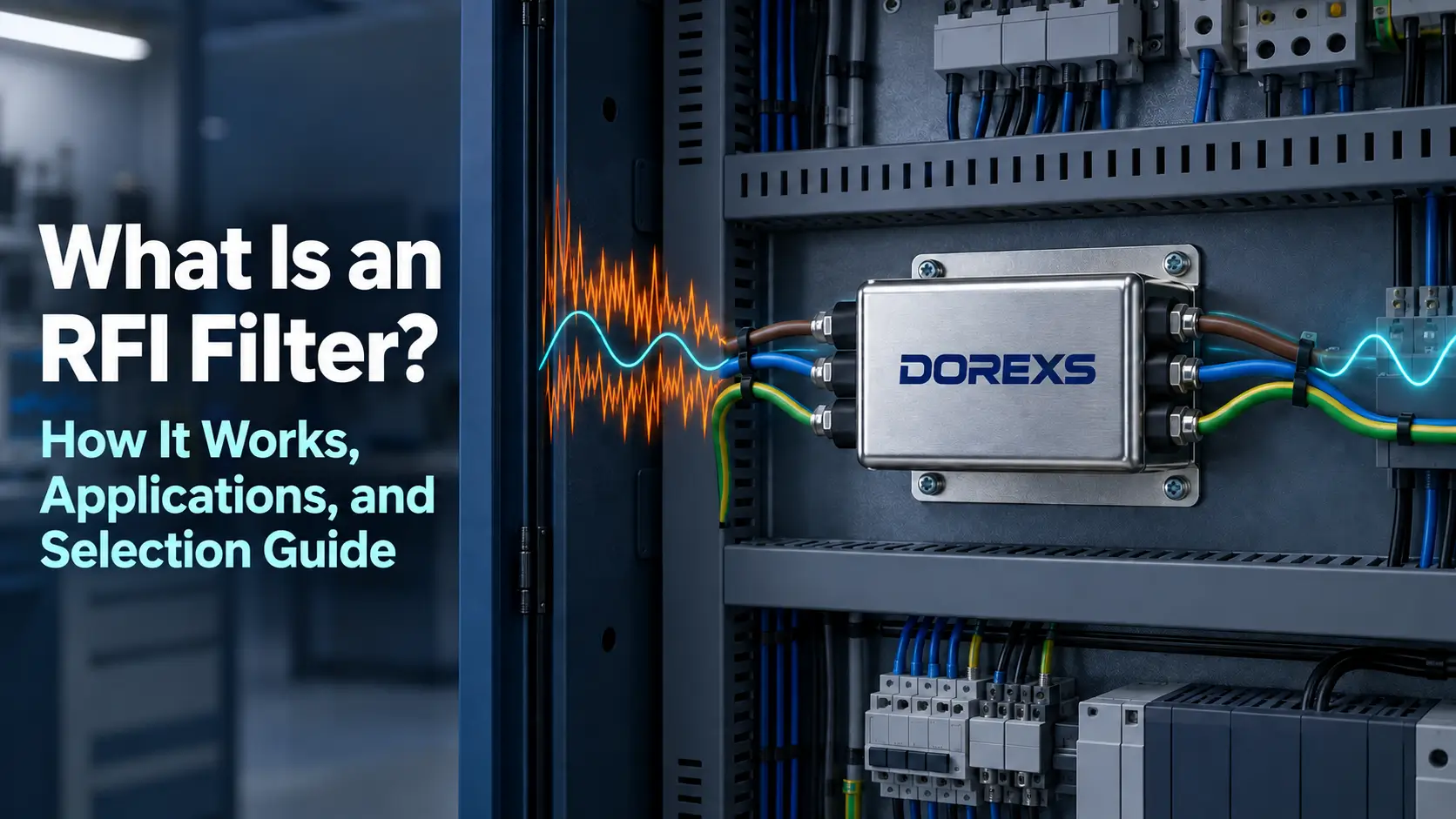
Filtered power supplies incorporate EMI filters directly into the power conversion process, reducing both conducted emissions and susceptibility to power line interference. These filters use combinations of inductors and capacitors to attenuate electromagnetic noise while maintaining power quality.
Proper grounding techniques form the foundation of effective EMI mitigation, providing low-impedance paths for electromagnetic currents and establishing reference potentials for electronic circuits. Single-point grounding systems prevent ground loops while ensuring effective EMI suppression.
Ground planes in printed circuit boards and equipment enclosures provide low-impedance return paths for high-frequency currents, reducing electromagnetic emissions and improving immunity to external interference. The effectiveness of ground planes depends on proper design and implementation.
Cable management strategies significantly impact EMI performance, with shielded cables, proper routing, and separation of power and data lines reducing both emissions and susceptibility. The use of twisted pair cables and proper termination techniques further enhances EMI performance.
Computer Design and Layout Considerations
Printed circuit board design plays a crucial role in EMI mitigation, with proper ground planes, trace routing, and component placement minimizing electromagnetic emissions and susceptibility. High-speed digital circuits require particular attention to signal routing and termination to prevent EMI problems.
Layer stackup design in multi-layer PCBs affects EMI performance, with proper power and ground plane placement providing effective shielding and reducing electromagnetic emissions. The use of appropriate via structures and component placement further enhances EMI characteristics.
Enclosure design must balance EMI shielding requirements with other functional needs including thermal management, accessibility, and cost considerations. The use of conductive materials, proper joint design, and effective sealing techniques ensures optimal EMI performance.
Ventilation requirements for computer equipment can compromise EMI shielding if not properly addressed through the use of conductive honeycomb vents, waveguide-below-cutoff openings, and other techniques that maintain airflow while preserving shielding effectiveness.
Power supply design significantly impacts both EMI emissions and susceptibility, with soft switching techniques, proper filtering, and isolation transformers reducing electromagnetic interference. The integration of EMI filters into power supply designs provides cost-effective interference suppression.
Cooling system design must consider EMI implications, with the selection of EMI-compliant fans and motor drives reducing electromagnetic emissions. Variable speed control systems should use appropriate filtering and shielding to minimize interference generation.

EMI Standards and Regulations for Computer Equipment
Regulatory compliance represents a critical aspect of computer EMI management, with various national and international standards governing electromagnetic emissions and immunity requirements. The Federal Communications Commission Part 15 regulations mandate specific EMI limits for computing devices sold in the United States, establishing maximum allowable emission levels for both conducted and radiated interference.
FCC Part 15 distinguishes between Class A devices intended for commercial use and Class B devices for residential applications, with Class B having more stringent emission limits due to the proximity of sensitive electronic equipment in home environments. Compliance with these regulations is mandatory for computer equipment sold in the US market.
European Union requirements include CE marking and compliance with EN 55032 and EN 55035 standards for multimedia equipment including computers. These standards specify both emission limits and immunity requirements, ensuring that computer equipment can operate reliably in the electromagnetic environment while not causing excessive interference to other devices.
CISPR 32 represents the international standard defining EMI emission limits for multimedia equipment, providing global harmonization of electromagnetic compatibility requirements. This standard forms the basis for many national regulations and certification requirements worldwide.
Military and aerospace applications require compliance with more stringent standards such as MIL-STD-461, which specifies electromagnetic interference requirements for defense electronic systems. These standards address both EMI and electromagnetic pulse resistance for critical applications.
Medical computing devices must comply with IEC 60601-1-2, which specifies EMC requirements for medical electrical equipment. This standard addresses the unique requirements of medical devices that interface with computers and computing systems in healthcare environments.
Testing and Certification Requirements
EMI testing facilities must meet specific requirements outlined in standards such as ANSI C63.4, which specifies procedures for measuring electromagnetic emissions from computing equipment. These facilities use specialized equipment including anechoic chambers, ground planes, and precision measurement instruments.
Conducted emissions testing measures electromagnetic interference propagated through power lines and other cable connections, typically covering frequency ranges from 150 kHz to 30 MHz. This testing uses line impedance stabilization networks to provide consistent measurement conditions.
Radiated emissions testing evaluates electromagnetic interference transmitted through air, typically covering frequency ranges from 30 MHz to several gigahertz. This testing requires specialized anechoic chambers and calibrated antennas to ensure accurate measurements.
Immunity testing evaluates computer equipment’s ability to operate correctly in the presence of electromagnetic interference, including electrostatic discharge, radiated immunity, and conducted immunity tests. These tests ensure that computers can function reliably in their intended electromagnetic environment.
Documentation and labeling requirements ensure that users understand the EMI characteristics of computer equipment and any special installation or usage requirements. Proper documentation supports regulatory compliance and helps users implement appropriate EMI mitigation measures.

DOREXS and DAI1: A Specific Filter Series Example
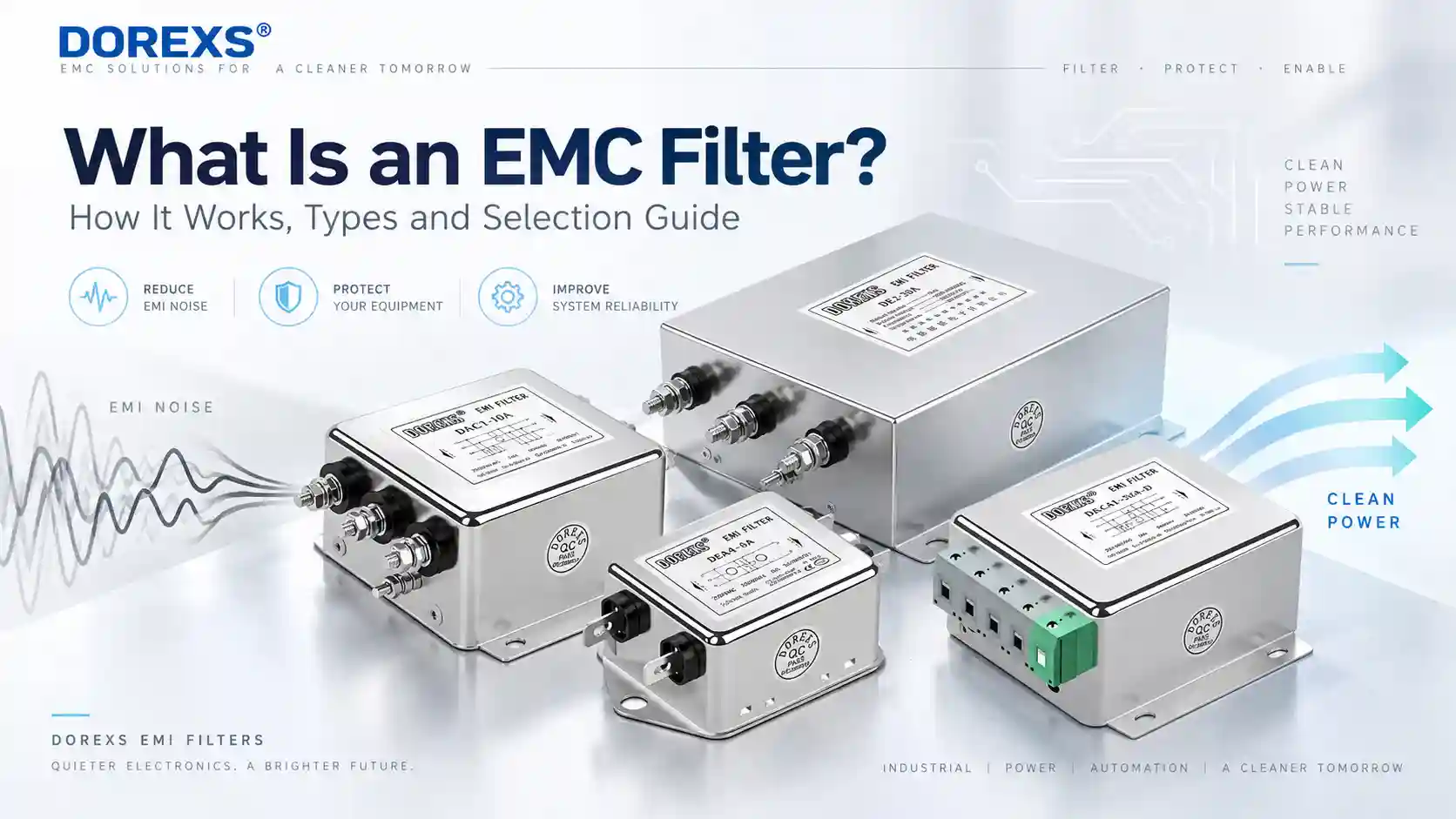
Many manufacturers offer EMI filter solutions on the market. The DOREXS brand and its DAI1 series serve as an example to illustrate how filter products can be integrated into actual circuit designs.
DOREXS Brand and Product Line
DOREXS is a manufacturer specializing in EMI/EMC filters. Its product line includes single-phase filters, multi-phase filters, modular filters, plug-in filters, high-attenuation filters, board-mount filters, and C14 interface filters.
Products listed on its official website include:
- DAI1 Single-Phase EMI Filter (Plug-in and Socket Types)
- Other series such as the DAA1, DEA4, DEA5, and DBI5 are also included in its product portfolio.
Therefore, when discussing the topic of "EMI control in computers," filters like the DAI1 are a prime example.
DAI1 Series EMI Filter Features
The following are some key features of the DAI1 series :
- The DAI1 is a single-phase AC power line filter with a wide range of rated voltages and currents (e.g., 1A to 15A).
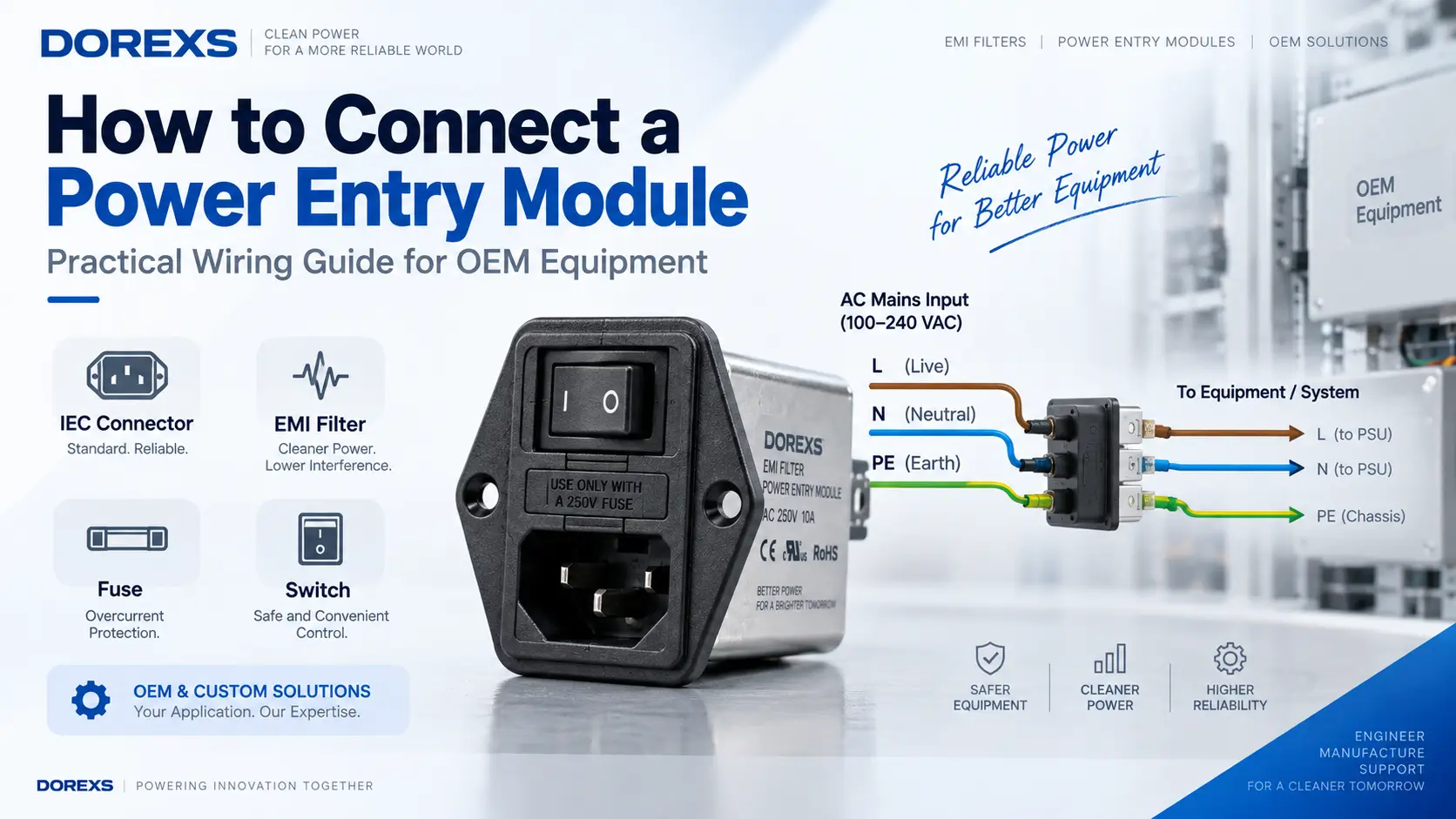
- It uses a standard IEC socket/plug interface, and its pluggable design facilitates installation and maintenance.
- It offers excellent suppression of both common-mode and differential-mode interference.
- It provides excellent attenuation of high-frequency interference in the 1 MHz to 30 MHz range.
- It is relatively compact, affordable, and easy to install, making it suitable for the power inlets of common electronic devices.
- It has been used in a variety of devices, such as medical equipment, security surveillance, audio equipment, game consoles, and power supplies.
Therefore, using the DAI1 series filter in a computer system (or its peripherals) can provide a "power noise barrier" at the power inlet, reducing the impact of EMI on other parts of the system.
FAQ
Can EMI permanently damage my computer?
While most electromagnetic interference causes temporary malfunctions that resolve when the interference source is removed, severe EMI events can potentially cause permanent damage to sensitive computer components. Electrostatic discharge events, lightning strikes, and high-intensity electromagnetic pulses can damage memory modules, network interface cards, and storage devices. Modern computers include various protection circuits, but these may not be sufficient for extreme EMI events. The risk of permanent damage increases with older equipment that lacks modern EMI protection features.
Why does my computer work fine at home but has problems in my office?
Office environments typically have significantly higher levels of electromagnetic interference compared to residential settings. Fluorescent lighting systems generate broadband electromagnetic noise, while the concentration of multiple electronic devices, copy machines, and industrial equipment creates a more challenging electromagnetic environment. Power quality in commercial buildings is often lower due to shared electrical systems and the presence of large motors and switching equipment. Additionally, proximity to cell towers, radio transmitters, and power transmission lines may be greater in commercial areas.
Do modern computers have better EMI protection than older models?
Yes, computers manufactured in recent years generally incorporate significantly improved EMI protection compared to older systems. Advances in EMI shielding materials, better power supply filtering, enhanced grounding techniques, and stricter electromagnetic compatibility standards have resulted in more robust designs. Modern computers must meet updated FCC Part 15 and international EMC standards that are more stringent than previous requirements. Additionally, the integration of EMI protection features during the design phase rather than as afterthoughts has improved overall electromagnetic compatibility.
Can I add EMI protection to my existing computer setup?
Several practical measures can improve EMI protection for existing computer installations. Installing ferrite cores on power cables and data lines provides effective high-frequency noise suppression. EMI power line filters can reduce conducted interference from the electrical system. Ensuring proper grounding and using shielded cables for critical connections improves electromagnetic compatibility. Positioning computers away from known EMI sources such as electric motors, fluorescent lights, and wireless transmitters reduces exposure to interference. However, the most effective EMI protection is built into equipment during the design phase.
How do I know if my computer problems are caused by EMI?
EMI-related computer problems often exhibit characteristic patterns that distinguish them from software or hardware failures. Intermittent issues that occur without apparent software triggers may indicate EMI problems. Problems that coincide with the operation of nearby electrical equipment, such as motors, welding equipment, or wireless devices, suggest electromagnetic interference. Multiple computers in the same area experiencing similar unexplained issues often point to EMI as the cause. Additionally, problems involving data corruption, random crashes, or communication errors that cannot be traced to specific software or hardware failures may result from electromagnetic interference. Professional EMI testing equipment can definitively identify electromagnetic interference issues.
How Does an EMC Filter Work-Complete Technical Guide
Troubleshooting EMI Problems and Solutions in Ozone Generators